


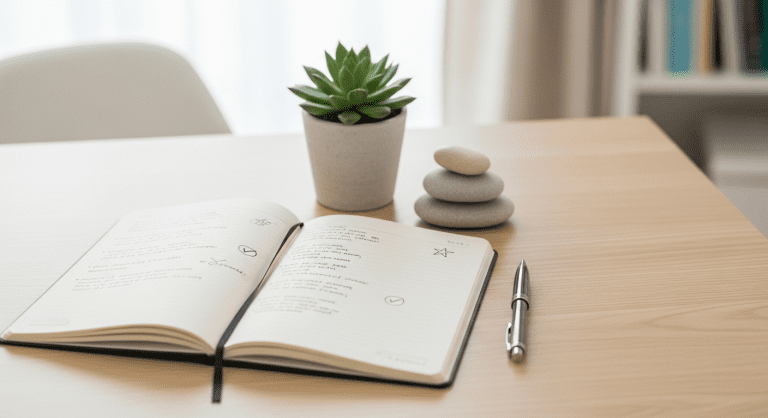

Journaling for Self-Improvement: A Step-by-Step Guide for Young Adults in the USA
Journaling is more than just putting pen to paper—it’s a powerful tool for self-improvement, clarity, and emotional balance. For 23-30 year old young adults in the USA, building a consistent journaling habit can spark personal growth, boost productivity, and help manage life’s transitions. This guide dives deep into why journaling matters, how to start, best techniques, and insider tips to make it work for you.
Why Journaling is Essential for Young Adults
In a fast-paced world, journaling provides a safe space for self-reflection, emotional release, and future planning. Science shows that consistent journaling can:
- Boost mood and manage stress (see APA research)
- Improve problem-solving and goal setting
- Facilitate personal growth by helping you track patterns and change
- Sharpen self-awareness and emotional intelligence
For young adults navigating careers, relationships, and self-discovery, journaling can clarify priorities and boost confidence.
How to Start a Journaling Habit (Even If You’re Busy)
1. Pick the Best Journaling Method for You
- Traditional notebook: Perfect for those who love handwriting and want to unplug.
- Digital journaling apps: Use platforms like Day One or Journey for on-the-go entries.
- Prompt-based journaling (e.g., gratitude journals, bullet journals)
Choose whatever feels easiest and least intimidating to start with.
2. Set a Simple Routine
- Dedicate five minutes daily—morning or night
- Keep your journal visible (bedside, desk, or phone widget)
- Link journaling to an existing habit (after coffee, before bed)
Remember, consistency beats intensity for forming lasting habits.
3. Use Effective Prompts to Overcome Writer’s Block
- What am I grateful for today?
- What’s one challenge I faced and how did I respond?
- What did I learn about myself this week?
- Where do I want to be in one year?
Prompts help you focus and avoid the daunting “blank page” problem.
Best Journaling Techniques for Self-Improvement
Gratitude Journaling
Daily gratitude entries have been proven to raise happiness levels and provide perspective. Try listing three things you’re grateful for every morning. For a step-by-step approach, see this gratitude guide.
Bullet Journaling
The bullet journal is an efficient way to track habits, goals, and to-dos. Use symbols for quick entries and scan progress easily. Learn how similar systems can streamline your life here.
Reflective Journaling
Write responses to life events, feelings, or achievements. Reflective journaling is especially effective after challenging days or major decisions, promoting emotional regulation and growth.
Goal-Tracking Journals
Use your journal to track small daily steps toward long-term goals. This transforms vague dreams into actionable plans—essential for young adults looking to achieve career and personal success.
Step-by-Step: Build a Journaling Routine that Sticks
- Set your intention: Why do you want to journal (e.g., stress relief, goal planning, self-discovery)?
- Choose your format: Paper, digital, or hybrid.
- Pick a regular time slot—start with 5 minutes daily.
- Use prompts or start free-writing.
- Reflect regularly: Every week, review entries and note patterns or achievements.
- Stay flexible: Adjust your style as needed—there’s no “one right way.”
Common Obstacles & How to Overcome Them
- Lack of time? Try voice-memo journaling or jotting quick notes on your phone.
- Feeling silly or awkward? Remember, your journal is private. Write honestly without judgment.
- Lose momentum? Find an accountability partner or join online journaling communities.
- Irregular schedule? Leave space for flexibility, even a single sentence counts.
Journaling Tools & Resources
- Apps: Day One, Journey, Evernote
- Prompts: Try these self-discovery prompts
- Paper journals: Moleskine, Leuchtturm, or any affordable notebook
- Guided digital platforms: Therapist Aid
5 Ways Journaling Can Supercharge Your Personal Growth
- Clarifies goals and boosts motivation
- Improves mental well-being and stress resilience
- Strengthens emotional intelligence
- Tracks progress and personal milestones for self-accountability
- Facilitates problem-solving and decision-making
FAQs About Journaling for Young Adults in the USA
What is the best time of day to journal?
The best time is whenever you can maintain consistency. Many young adults prefer morning journaling for goal-setting or evening to reflect on the day.
How do I keep my journaling habit going?
Keep it simple, use prompts, and don’t pressure yourself to be “perfect.” Accountability partnerships or apps can help reinforce the habit.
Can journaling help with anxiety and stress?
Yes. Research from the American Psychological Association supports that journaling lowers anxiety and stress by helping you process emotions and gain clarity. For more on boosting well-being, visit this morning routine guide.
How private and secure are digital journaling apps?
Most leading apps use strong encryption. Always check privacy policies and use passwords or biometrics where available.
How can I make my entries more meaningful?
Focus on honesty and reflection over perfection. Consider ending each entry with one insight or actionable step.
Conclusion: Kickstart Your Self-Improvement Journey Today
Journaling is a simple yet transformative practice for young adults in the USA seeking personal growth and clarity. By starting small, using prompts, and reflecting regularly, you can unlock lasting benefits for your mental health and life goals. Remember, there’s no right or wrong way to journal—just start!
Actionable Takeaways
- Choose a journal type that fits your lifestyle
- Set a five-minute daily routine
- Utilize prompts when stuck
- Review entries weekly and celebrate progress
- Stay flexible and make journaling your own unique practice


0 Comments