


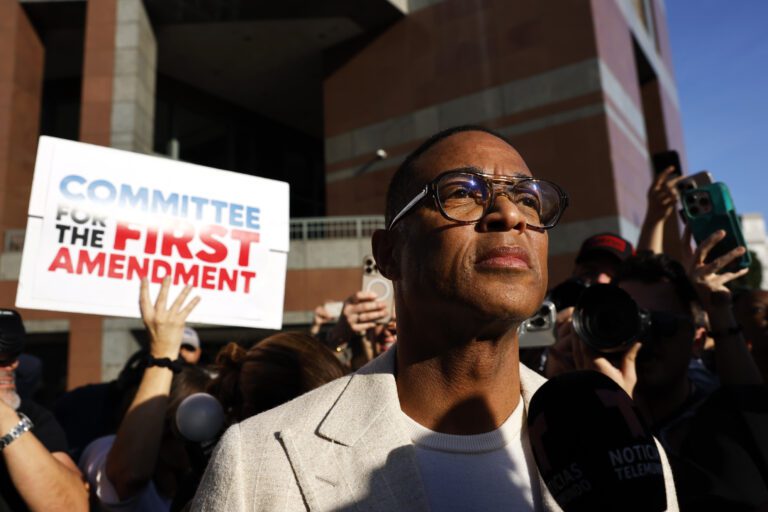

Don Lemon Arrest and the Future of First Amendment Rights: What You Need to Know
The recent arrest of former CNN anchor Don Lemon by federal authorities has ignited a nationwide debate on First Amendment protections for journalists. With implications reaching the Supreme Court, this case could redefine the boundaries of press freedom and legal accountability in protest scenarios.
Understanding the Context: Don Lemon’s Arrest in 2026
On late January 2026, Don Lemon, a well-known former CNN host turned independent journalist, was arrested by federal officials during a protest at a church service in Minnesota. His detention, linked to accusations of disrupting the protest, has been widely covered and analyzed, especially in the context of the Trump Department of Justice’s crackdown on protest-related disruptions.
This incident is viewed by many legal experts and editorial writers, notably in The Wall Street Journal, as a potential landmark case that tests the limits of First Amendment protections for the press.
The Core Issues: Press Freedom vs. Legal Accountability
What Does the First Amendment Guarantee?
The First Amendment protects the right to free speech, free press, and peaceful assembly. However, these rights are not absolute and can be subject to restrictions to maintain public order.
Key Questions Raised by Lemon’s Arrest
- Does media personnel have special privileges to disrupt or protest without facing legal repercussions?
- Is Lemon’s arrest indicative of broader suppression of disruptive journalism?
- How might this case influence future coverage of protests and public demonstrations?
Legal and Political Implications
With the case now heading toward the possibility of a Supreme Court review, it raises pressing questions about the balance between press rights and law enforcement authority. Critics argue that prosecuting Lemon could set a dangerous precedent, curbing journalists’ ability to report on protests and civil disobedience.
Supporters, however, contend that no individual, including journalists, should be above the law, especially when disrupting public services or religious gatherings.
Historical Perspective on Press Protections and Disruptions
Throughout U.S. history, courts have often balanced First Amendment rights against public order concerns. Notable cases include Cohen v. California and Brandenburg v. Ohio, which set important precedents for expressive conduct and incitement.
What Could Be the Outcome and Its Broader Impact?
If the Supreme Court rules in favor of Lemon, it could affirm strong protections for journalists asserting their right to cover protests, even if disruptive. Conversely, a ruling against him might limit journalists’ ability to participate actively during protests, emphasizing legal accountability over press immunity.
This case could also influence how **media organizations** prepare their reporters for coverage involving civil disobedience and public protests, emphasizing adherence to legal boundaries.
Expert Opinions and Predictions
Legal scholars suggest that the case could be a critical test of the First Amendment’s scope in the Trump-era judicial landscape. Some predict the Court may clarify stricter limits, while others believe it will uphold broad protections for journalistic dissent.
Conservative commentators often see Lemon’s arrest as justified, arguing for law and order, whereas liberal voices view it as an infringement on essential freedoms.
Key Takeaways for Media and Legal Experts
- Judicial decisions here could recalibrate the boundaries of press activism.
- The case underscores the importance of legal awareness for journalists covering protests.
- Potential for a Supreme Court ruling that shapes First Amendment rights for decades.
FAQs about Don Lemon’s Arrest and First Amendment Rights
1. What are the legal limits on journalists during protests?
While journalists have First Amendment protections, they cannot legally disrupt or incite violence. The extent of these limits becomes clearer through Court rulings like Lemon’s case.
2. Could Lemon’s arrest set a precedent for other journalists?
Yes, a Supreme Court decision could either reinforce or restrict journalists’ rights to actively participate in protest coverage.
3. How does this case compare to previous press freedom cases?
This case is similar to past landmark decisions that balanced free speech and law enforcement authority, but it is distinct in challenging the scope of press immunity in protest situations.
4. Will this case impact future protest reporting?
Absolutely. The ruling will influence journalistic practices, particularly when covering disruptive events or civil disobedience actions.
Conclusion: Why This Case Matters
The arrest of Don Lemon is more than a news story; it challenges the fundamental rights protected under the First Amendment. As it moves through the legal system, the outcome will have lasting implications for journalists, protesters, and law enforcement alike.
Stakeholders should monitor this case closely to understand how the courts interpret press freedoms amid political and social tensions. For media organizations, it underscores the importance of legal preparedness in protest coverage.
Ultimately, the resolution may redefine the balance between free speech and public order, shaping the future landscape of American civil liberties.
Related Internal Links for Further Reading
Final Thoughts
The Don Lemon arrest case encapsulates ongoing debates about press rights in a polarized society. Its outcome will influence journalistic practices, legal interpretations, and civil liberties for years to come. Stay informed, and watch this space as the case unfolds in the highest court of the land.




0 Comments