


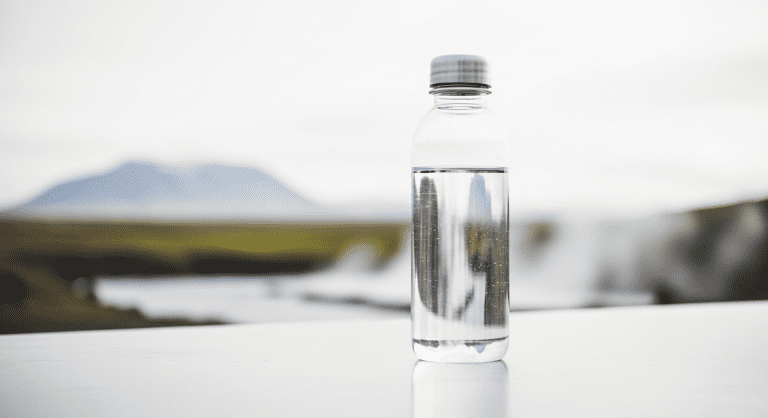

Hydration for Teens in Iceland: The Ultimate Guide to Staying Hydrated Year-Round
Staying properly hydrated is more than just drinking water—it’s a key factor in supporting the rapid growth and energy needs of 12-16-year-olds in Iceland. With Iceland’s unique climate, teens face hydration challenges all year: from chilly winters to surprisingly warm summer days. This comprehensive guide will answer all your questions, reveal hydration myths, and provide practical steps for teens to stay healthy, active, and alert.
Why Is Hydration So Important for Icelandic Teens?
Hydration affects energy levels, mood, skin health, mental focus, and athletic performance. For teens, water is crucial as their bodies are still developing and they’re involved in school, sports, and social activities.
- Boosts energy and prevents fatigue
- Supports learning and concentration
- Helps regulate body temperature, especially during Iceland’s unpredictable weather
- Promotes healthy skin
- Supports digestion and metabolism
According to CDC and Icelandic health authorities, many teens don’t drink enough—don’t let that be you!
How Much Water Does a 12-16 Year Old in Iceland Need Every Day?
The recommended daily intake isn’t “one-size-fits-all.” For Icelandic teens, consider:
- Girls (12-16): ~1.5 to 2.0 liters/day
- Boys (12-16): ~2.0 to 2.5 liters/day
Factors that increase your needs:
- Physical activity (sports, hiking, etc.)
- Warmer spring/summer weather
- Heated indoor environments in winter
- Diet (salty or high-protein foods require more water)
Important: Beverages like tea, coffee, and soda do not count towards healthy hydration; focus on water and nutritious sources.
Best Ways for Teens to Stay Hydrated in Iceland
1. Make Water Your Main Drink
- Always carry a reusable water bottle—Iceland has exceptionally pure tap water.
- Drink before you feel thirsty—if you’re thirsty, you’re already hydrated.
- Flavor water with natural options (lemon, berries, cucumber) if you get bored of plain water.
2. Eat Hydrating Foods
- Cucumbers, tomatoes, bell peppers
- Watermelon, strawberries, oranges
- Soups and stews (great in winter!)
- Low-sugar smoothies or yogurt
3. Time Your Hydration
- Start your day with a glass of water.
- Drink water before, during, and after exercise.
- Take small sips regularly (don’t “chug” large amounts at once).
- Remember that teachers usually allow water bottles in class in Iceland.
4. Watch Out for Hidden Dehydrators
- Limit sodas and energy drinks—they dehydrate and add sugar.
- Chocolate milk and store-bought juices aren’t as hydrating as water.
- Heated buildings: Dry indoor air (very common in Icelandic winter) increases water loss—drink more!
Hydration Myths Icelandic Teens Should Ignore
- Myth: “If you’re not sweating, you don’t need extra water.”
Truth: You lose water even in the cold, through breathing and dry air. - Myth: “Sports drinks are always best.”
Truth: Most teens don’t need them and they add unnecessary sugar. - Myth: “You need 8 glasses every day.”
Truth: Needs vary with age, activity, and climate.
How to Tell If You’re Dehydrated: Early Signs
- Feeling tired or cranky for no clear reason
- Headaches
- Difficulty focusing in class
- Dry lips or mouth
- Dark yellow urine (it should be light straw color)
- Dizziness when getting up quickly
If you spot these signs, drink water right away and take a break from activities until you rehydrate.
Hydration Tips for Teens Who Play Sports or Are Very Active
- Pre-hydrate (drink 1–2 cups 30 minutes before training)
- Take regular water breaks during activity, even if you don’t feel thirsty
- Refuel with water and a healthy snack after exercise
- Monitor urine color as a hydration check
- Extra tip: For intense, long activities (>1hr), add a tiny pinch of salt to water or eat salty snacks with water
Hydration and Skin Health: The Icelandic Teen Factor
Dry, cold winds and indoor heating dry out your skin fast. Staying hydrated:
- Reduces breakouts
- Prevents flakiness and redness
- Helps skin recover from harsh Icelandic weather
Also combine with a simple moisturizer in winter for best results.
Bonus: Fun Hydration Challenges for Teens
- Set a daily water goal and track it with friends
- Use a “water tracker” app
- Infuse water with local Icelandic berries!
- Make hydration a pre-class routine
Frequently Asked Questions: Teen Hydration in Iceland
1. Do teens in Iceland need to drink more water in the winter?
Yes. Heated homes and dry air speed up fluid loss—even if you don’t sweat as much. Drink as regularly as you would in summer.
2. Is Iceland’s tap water safe for teens?
Absolutely. Iceland’s tap water is among the cleanest and safest in the world—no need for bottled water!
3. Are there signs that teens overlook when they’re dehydrated?
Yes. Teens often ignore headaches, tiredness, poor focus, and mood swings as dehydration symptoms. Always use the “urine color check” for best results.
4. Can too much water be harmful?
Drinking extremely large amounts in a short time can be harmful (hyponatremia), but this is rare in teens who drink at normal intervals. Aim for consistency, not overconsumption.
5. Does juice or soda help with hydration?
No. Soda adds sugar and can dehydrate. Juice (especially packaged) only counts for a little. Water is still your best shot!
Summary & Actionable Takeaways
- Drink enough water every day, more on active or warm days
- Watch for early dehydration signs like fatigue, headache, and dark urine
- Keep a reusable bottle handy and make hydrating foods part of your meals
- Ignore hydration myths—trust evidence and your body
- Choose Icelandic tap water over soda or sugary drinks
For more practical wellness and hydration tips, check out CDC’s hydration advice and Icelandic Directorate of Health.
Recommended Internal Reading
- 10 Natural Ways to Improve Sleep Quality
- Meditation for Better Sleep: A Step-by-Step Guide
- Boost Your Gut Health Naturally
- Functional Fitness for Teens
Conclusion
Hydration is the foundation for teen health in Iceland. Whether you’re facing a frosty winter afternoon or taking advantage of long summer days, making hydration a habit will keep you sharp, energized, and ready for whatever comes your way. Remember—listen to your body, choose water from the tap, and don’t let dehydration slow you down!




0 Comments