


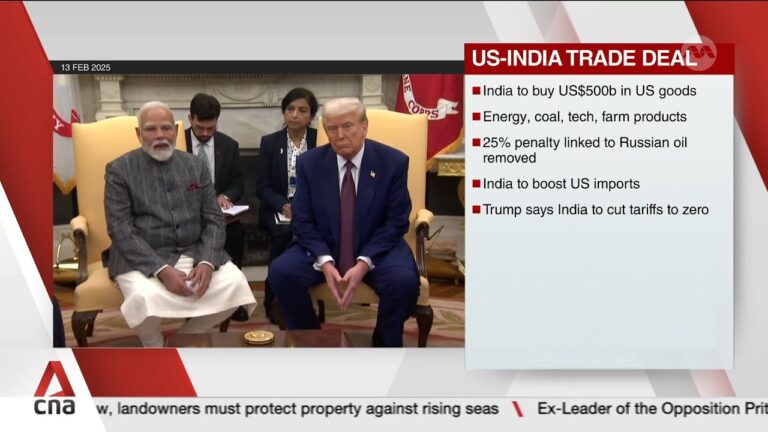

US-India Trade Deal 2026: A New Era in US-India Economic Relations
In a groundbreaking move, US President Donald Trump announced a historic trade agreement with India on February 2-3, 2026. This deal marks a significant shift in the geopolitical and economic landscape, promising to boost bilateral trade, reduce tariffs, and enhance strategic cooperation. If you’re a business leader, investor, or policymaker interested in global trade dynamics, understanding this development is crucial. Here’s everything you need to know about the US-India trade deal 2026.
What is the US-India Trade Deal 2026?
The US-India trade deal is a bilateral agreement announced after a phone call between President Donald Trump and Prime Minister Narendra Modi. The key highlight is the reduction of US tariffs on Indian exports from 25% (or previously threatened 50% including Russian oil penalties) down to 18%. This move aims to foster greater economic integration and unlock new opportunities for both nations.
Key Highlights of the Deal
- Tariffs Reduction: U.S. tariffs on Indian goods decreased from 25%/50% to 18%, facilitating easier market access for Indian exporters.
- Trade Commitment: India commits to purchasing over $500 billion in US goods and services over time, spanning sectors such as energy, technology, and agriculture.
- Energy and Oil Imports: India agrees to restrict or stop crude oil imports from Russia, focusing on irreplaceable supplies, while increasing imports of US energy products.
- Strategic Positioning: The deal positions India favorably compared to competitors like ASEAN nations (19%), Vietnam (20%), and Pakistan (19%), especially after India’s recent EU trade agreements.
Context and Background
The announcement comes amidst a background of tense US-India relations, marked by tariffs imposed in 2025—initially as a response to tariffs on Russian oil and other trade disputes. Additionally, geopolitical tensions involving Russia’s Ukraine war and claims regarding India-Pakistan border conflicts have influenced diplomatic ties. Still, this deal signals a potential reset, emphasizing shared democratic values and economic interests.
Implications of the Trade Deal
Economic and Strategic Impact
- For India: The deal presents an unprecedented opportunity to boost exports, strengthen supply chains, and accelerate the “Make in India” initiative for Viksit Bharat 2047.
- For the US: The agreement opens new markets for American energy, technology, and agriculture sectors, fostering job creation and economic growth.
- Global Influence: By solidifying this partnership, the US and India aim to counterbalance China and EU economic influence in Asia and beyond.
Market Reaction and Future Prospects
The Indian stock market responded positively, rallying on the outlook of increased trade and investment flows. However, details remain thin, and negotiations on broader aspects—such as technology transfer, intellectual property, and further market access—are expected to continue.
Challenges and Criticisms
- Limited Details: Critics argue that the agreement lacks transparency and comprehensive commitments, raising questions about long-term benefits.
- Russian Oil Precedent: India’s continued purchase of Russian oil under the deal raises geopolitical concerns, especially given US expectations for alignment.
- Regional Competition: The deal might intensify competition with China, EU, and regional neighbors, potentially leading to tariffs or trade tensions.
Comparison: US-India Deal vs. EU Market Access
| Aspect | US-India Trade Deal | India-EU Trade Offer |
|---|---|---|
| Tariff Rate | 18% | Varies, with concessions on autos, pharma, alcohol |
| Sector Focus | Energy, technology, agriculture | Autos, pharma, services, alcohol |
| Strategic Focus | Strengthen US-India relations, counter China | Market access for Indian products in EU |
| Negotiation Status | Initial agreement, more talks ongoing | Partially concluded, ongoing negotiations |
What’s Next for US-India Trade Relations?
The deal sets the stage for expanded talks covering broader sectors, including intellectual property, digital trade, and further tariff reductions. Both nations will likely continue negotiations to deepen commitments, ensuring mutual benefits while addressing lingering concerns.
FAQs (People Also Ask)
1. What is the significance of the US-India trade deal 2026?
The deal is significant because it marks a major shift towards closer economic and strategic ties, reducing tariffs and opening markets to increased trade, benefiting both countries’ economies.
2. How does the tariff reduction impact Indian exporters?
The reduction from 25%/50% to 18% lowers costs for Indian exporters, making their products more competitive in the US market, leading to potential sales growth.
3. What are the criticisms of the US-India trade deal?
Critics point out the lack of transparency, the ongoing purchase of Russian oil, and regional geopolitical tensions that could complicate future cooperation.
4. Will this deal affect India’s relationships with other countries?
Yes, it could enhance India’s strategic positioning but might also lead to competitive tensions with China, the EU, and neighboring countries.
Conclusion: A Bright Future for US-India Economic Partnership
The US-India trade deal 2026 represents a pivotal development, signaling stronger economic, strategic, and diplomatic ties. While uncertainties remain, this agreement opens new opportunities for exporters, investors, and policymakers. Both nations aim to leverage this momentum to optimize trade benefits, foster innovation, and compete effectively on the global stage.
For business leaders looking to capitalize on these developments, now is the time to monitor negotiations, diversify supply chains, and explore partnership opportunities. This landmark deal is just the beginning of a new era of US-India cooperation.
To stay updated on related trade strategies and policy changes, consider visiting authoritative sources such as the Carnegie Endowment and Politico.
Interested in improving your international trade strategies? Check out our proven techniques for building compelling trade proposals or creative strategies to enhance negotiations.




0 Comments