



Understanding Dry Texting: How to Recognize, Respond, and Improve Digital Communication
In today’s digital age, effective communication is key to maintaining healthy relationships, whether romantic, friendly, or professional. However, a common challenge many face is dry texting. This phenomenon involves sending short, emotionless replies that can kill the flow of conversation and leave the other person feeling ignored or confused. If you’ve ever wondered what dry texting really means or how to handle it effectively, this guide will provide clarity, practical tips, and actionable strategies to improve your digital interactions.
What Is Dry Texting and Why Does It Happen?
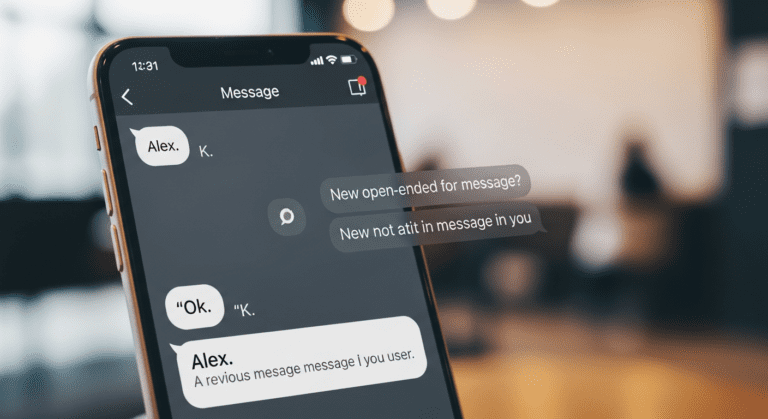
Dry texting refers to sending brief, emotionless, or one-word responses that can stall a conversation. Common signs include replies like “k,” “lol,” “okay,” or no follow-up questions. Understanding why people dry text is essential to addressing the issue intelligently.
- Lack of interest — the person may not be fully engaged or invested.
- Distractions — multitasking or being busy can lead to minimal responses.
- Passive-aggression or mood — sometimes, dry texting is a subtle form of expressing annoyance or frustration.
- Nervousness or social discomfort — some struggle with expressing emotions through text, leading to terse replies.
Psychologically, dry texting can also serve as a defense mechanism, helping individuals avoid deeper emotional engagement or confrontation. Moreover, without vocal tone or facial cues, tone interpretation gets lost, causing misunderstandings.
Signs You Are Being Dry Texted
Recognizing when you’re on the receiving end of dry texting is crucial. Here are typical signs:
- Your messages receive monosyllabic or minimal responses.
- There are long delays before replies appear, often with no follow-up questions.
- The conversation feels stiff, and you sense disinterest.
- Responses lack enthusiasm or emotional connection.
Such interactions can lead to feelings of rejection, anxiety, or frustration, especially if unaddressed.
How Dry Texting Affects Relationships
Dry texting can impact any relationship — romantic, friendly, or professional — by creating emotional distance. It can lead to misunderstandings, reduce intimacy, and even cause insecurity in the relationship’s health. Knowing how to navigate dry texting is therefore vital to maintaining emotional bonds and building trust.
For example, in romantic contexts, consistent dry responses might be interpreted as disinterest, which can spark misunderstandings or jealousy. In contrast, in professional settings, dry communication may affect teamwork and productivity.
Practical Strategies to Handle Dry Texting
1. Address the Issue Directly but Gently
If you suspect that dry texting is a sign of disinterest or a deeper issue, consider having an honest yet respectful conversation. For example, you can say, “I’ve noticed our conversations sometimes feel a bit stiff. Is everything okay?” this approach encourages openness without sounding accusatory.
2. Change Your Texting Style
Inject more emotion, humor, or open-ended questions into your messages to stimulate engagement. Instead of asking “Did you have a good day?“, try “What was the highlight of your day?” which encourages a more detailed response.
- Use emojis thoughtfully to add tone.
- Share personal stories to foster connection.
- Ask follow-up questions based on their replies.
3. Step Back and Reflect
If dry texting persists, take a step back to assess the relationship’s overall health. Sometimes, prolonged minimal communication indicates waning interest or mismatched communication styles. Consider whether to invest more or set healthy boundaries.
Establishing boundaries and prioritizing emotionally honest communication can prevent misunderstandings from escalating.
4. Encourage In-Person or Voice Interactions
Since digital cues are limited, suggest switching to calls or face-to-face meetings when possible. Voice conversations help convey tone and emotion more clearly, reducing the chances of dry responses causing confusion.
Building Better Digital Communication Habits
Establishing healthy texting habits benefits your relationships overall. Here are some tips:
- Be mindful of your tone and language.
- Limit passive or dismissive responses.
- Prioritize meaningful interactions over quick replies.
- Use multimedia (images, voice notes, videos) to add richness to your messages.
Consistently practicing sincere and engaging communication helps avoid both dry texting and misunderstandings.
Comparison: Dry Texting vs. Healthy Communication
| Aspect | Dry Texting | Healthy Digital Communication |
|---|---|---|
| Response Style | Minimal, one-word or emotionless replies | Thoughtful, expressive, and engaging responses |
| Tone | Can appear dismissive or uninterested | Warm, caring, and attentive |
| Impact on Relationship | Increases distance, misunderstandings | Builds trust, emotional connection |
| How to Improve | Address the issue directly or change style | Use expressive language, multimedia, and open questions |
FAQs About Dry Texting
1. How can I tell if someone is dry texting me intentionally?
If responses are consistently short, delayed, and lack follow-up questions, they may be intentionally disengaged. However, it’s essential to consider context, as some people naturally prefer brief communication.
2. Is dry texting always a sign of disinterest?
Not necessarily. Sometimes, dry responses stem from tiredness, distraction, or social discomfort. Clarify your concerns by asking open-ended questions or suggesting a different mode of communication.
3. What are some easy ways to make my texts more engaging?
Use emojis appropriately, share interesting stories, ask open-ended questions, and incorporate multimedia like photos or voice notes. These approaches make conversations more lively and meaningful.
4. Can dry texting harm my relationship?
If persistent, yes. It can create emotional distance and miscommunication. Addressing the issue early and encouraging open, honest dialogue helps maintain connection.
5. How do I respond to dry texts without seeming pushy?
Try to add positive and engaging content, or gently ask if everything’s okay. Show understanding and patience, avoiding accusations or assumptions.
Conclusion: Mastering Digital Communication
Dry texting is a common yet manageable challenge in today’s digital world. Recognizing the signs, understanding the underlying causes, and applying practical communication strategies can help you foster meaningful conversations. Remember, digital communication is a skill that improves with awareness and effort. Prioritize emotional honesty, show genuine interest, and be willing to adapt your style for better relationships.
By implementing these tips, you’ll enhance your digital interactions, reduce misunderstandings, and build stronger connections—both online and offline.
For further insights on relationship communication, explore building lasting relationships or check out our guide on dating single parents.




0 Comments