


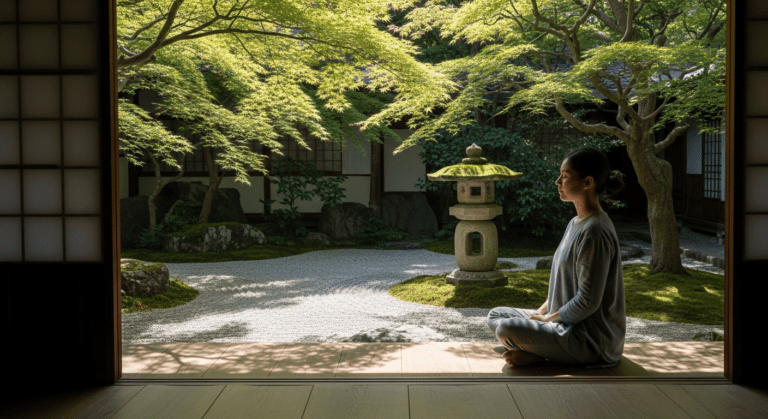

Effective Breathing Techniques for Better Stress Relief: A Complete Guide for Young Adults in Japan
In today’s fast-paced world, especially for young adults in Japan, managing stress is more important than ever. Breathing techniques have emerged as a simple, natural way to combat stress, improve mental clarity, and enhance overall wellbeing. If you’re seeking practical, science-backed methods to stay calm and focused amidst your busy life, this guide will walk you through effective breathing exercises designed specifically for stress relief.
Understanding the Power of Breath for Stress Management
Breathing is an automatic process, but consciously controlling your breath can significantly influence your nervous system. Deep and mindful breathing activates the parasympathetic nervous system—the body’s natural relaxation response. This can reduce cortisol levels, lower blood pressure, and promote mental calmness.
Studies show that breathing exercises are a powerful tool for reducing anxiety and stress, making it an ideal technique for young adults navigating academic, career, and social pressures in Japan.
Top Breathing Techniques for Stress Relief
1. Diaphragmatic Breathing (Belly Breathing)
Diaphragmatic breathing is the most effective way to activate the relaxation response. It involves engaging your diaphragm fully to breathe deeply into your belly.
- Sit or lie down comfortably.
- Place one hand on your chest and the other on your abdomen.
- Breathe in slowly through your nose for about 4 seconds, focusing on expanding your belly rather than your chest.
- Hold your breath for 2 seconds.
- Exhale slowly through your mouth for 6 seconds, feeling your belly fall.
- Repeat this cycle for 5–10 minutes daily for best results.
2. Box Breathing (Square Breathing)
This technique promotes focus and calmness, making it popular among athletes and professionals worldwide.
- Inhale through the nose for 4 seconds.
- Hold your breath for 4 seconds.
- Exhale slowly through the mouth for 4 seconds.
- Hold your breath again for 4 seconds.
- Repeat multiple rounds, gradually extending each phase as you become more comfortable.
3. 4-7-8 Breathing Method
The 4-7-8 technique is renowned for helping alleviate anxiety and improving sleep quality.
- Breathe in through your nose for 4 seconds.
- Hold your breath for 7 seconds.
- Exhale completely through your mouth for 8 seconds.
- Repeat this cycle 4 times, increasing repetitions over time.
Incorporating Breathing Exercises into Your Daily Routine
For young adults in Japan, integrating these techniques into your daily life is simple and effective:
- Morning routine: Spend 5 minutes practicing diaphragmatic breathing to set a calm tone for the day.
- During work or study breaks: Use box breathing or 4-7-8 breathing to reset your focus and reduce on-the-spot stress.
- Before sleep: Perform deep breathing exercises to promote relaxation and better sleep quality.
Tips for Optimal Results
- Practice in a quiet, comfortable space to enhance concentration.
- Set reminders on your phone to regularly perform breathing exercises.
- Combine breathing with mindfulness or meditation for synergistic benefits.
- Stay consistent—efficacy increases with frequent practice.
Common Mistakes to Avoid
- Forcing deep breaths too quickly—maintain a natural, gentle pace.
- Holding your breath for too long or too short—use the recommended timings.
- Practicing when feeling dizzy or uncomfortable—stop and rest if needed.
Additional Resources for Mind-Body Wellness in Japan
To deepen your understanding, consider exploring mindfulness and meditation guides. Also, local wellness centers in Japan often offer guided breathing and relaxation workshops that can enhance your practice.
FAQs About Breathing Techniques for Stress Relief
Q1: How long should I practice breathing exercises daily?
Start with 5–10 minutes daily and gradually increase to 15–20 minutes for sustained benefits.
Q2: Can breathing exercises replace medication for anxiety?
Breathing techniques are effective complementary tools but should not replace professional treatment for severe anxiety or mental health issues.
Q3: Is it okay to practice these exercises while feeling dizzy?
If you experience dizziness, stop practice immediately and sit or lie down until feeling better.
Q4: Are there specific breathing techniques for sleep improvement?
Yes, the 4-7-8 breathing method is particularly effective for easing into sleep and reducing insomnia.
Q5: Can I do breathing exercises during stressful emergencies?
Absolutely. In moments of acute stress, controlled breathing can help restore calm quickly.
Conclusion: Breathe Your Way to Better Stress Management
For young adults in Japan, adopting simple yet powerful breathing techniques can dramatically improve stress resilience, focus, and sleep quality. Regular practice helps establish a calm mind and healthier heart, supporting overall wellness in a demanding environment. Start today by integrating these exercises into your daily routine and experience the transformative power of mindful breathing.
Actionable takeaway: Dedicate just 10 minutes each day to deep breathing exercises, and observe your stress levels and mental clarity improve over time. Remember, your breath is a natural, accessible tool—use it wisely for lasting health benefits.
For additional wellness strategies, check out our comprehensive brain health tips or explore tech-driven productivity tools that complement holistic wellness.




0 Comments