


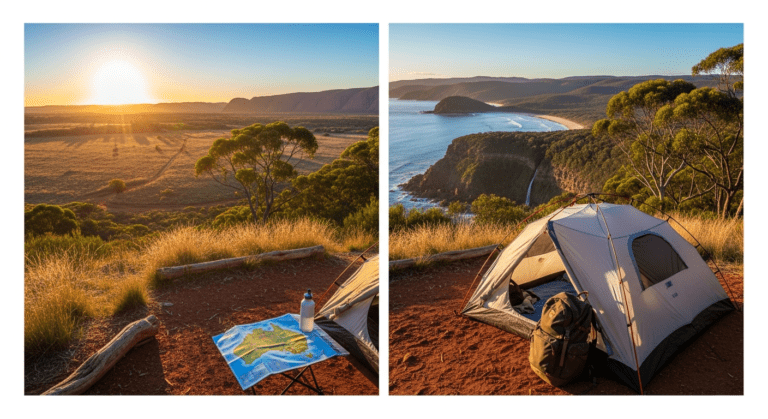

Ultimate Guide to Travel Budget Planning for Young Adults in Australia
Traveling on a budget can be both exciting and challenging, especially for young adults eager to explore Australia without breaking the bank. Proper planning ensures you maximize your experience while staying financially comfortable. In this comprehensive guide, you’ll learn the best strategies to create a realistic travel budget, find affordable deals, and make your Australian adventure unforgettable. Whether you’re a solo traveler or visiting with friends, mastering travel budgeting is key to stress-free, enriching trips.
Understanding the Importance of Travel Budgeting
Effective travel budget planning helps you allocate funds wisely, avoid unexpected expenses, and enjoy your trip with peace of mind. Australia, known for its diverse landscapes and vibrant cities, offers options across a wide price spectrum. Setting a clear budget upfront allows you to prioritize activities, accommodation, and transportation, enhancing overall travel satisfaction.
Setting Realistic Travel Budget Goals
Assess Your Trip Duration and Style
Determine how long you’ll stay in Australia and the type of experiences you’re after. Are you looking for luxury hotels or hostels? Do you plan to dine out often or cook your own meals? Your preferences directly influence your budget estimates.
- Short trips (1-7 days): Focus on key attractions and comfortable accommodations.
- Extended stays (2+ weeks): Consider long-term lodging options and local transportation passes.
Research Typical Expenses
Gather data on average costs for:
- Accommodation: $30–$150 per night
- Food: $10–$50 per meal
- Transport: Public transit passes from $10–$50 weekly
- Activities: Tours, entrance fees from $20–$100
This research provides a solid framework to set your overall budget.
Strategies for Saving Money While Traveling in Australia
Choose Budget-Friendly Accommodation
Opt for hostels, Airbnb, or guesthouses over hotels. Use platforms like budget travel tips to find affordable stays that suit your style.
Save on Transportation
- Use public transport instead of taxis or rental cars.
- Travel off-peak to enjoy cheaper rates.
- Consider a travel travel card or weekly passes for unlimited rides in cities like Sydney and Melbourne.
Eat Smart and Local
Cook your own meals or visit local markets to cut dining expenses. Many supermarkets have affordable, fresh produce perfect for backpackers.
For dining out, seek recommendations for budget-friendly restaurants and food trucks.
Utilizing Technology and Resources for Budget Optimization
Apps and Websites for Deals
- Use travel deal platforms like Skyscanner and Hotelworld to compare prices.
- Download public transport apps specific for Australian cities.
- Use coupon sites for discounts on tours and activities.
Plan and Book in Advance
Advance reservations unlock lower prices, especially for accommodation and tours. Last-minute bookings tend to be more expensive and limited.
Sample Travel Budget Breakdown for 2 Weeks in Australia
| Category | Estimated Cost | Description |
|---|---|---|
| Accommodation | $300–$700 | Hostels, Airbnb, budget hotels |
| Food | $200–$350 | Groceries & occasional dining out |
| Transportation | $50–$150 | Public transit passes & local travel |
| Activities & Tours | $100–$400 | Exploring landmarks, national parks, events |
| Miscellaneous | $50–$100 | Souvenirs, tips, emergencies |
Common Mistakes to Avoid in Travel Budgeting
- Overestimating daily expenses—stick to your plan.
- Not accounting for hidden costs, like airport transfers or extra fees.
- Ignoring travel insurance—costs can be higher without coverage.
- Booking last minute—often more expensive and limited options.
FAQs About Budget Travel in Australia
What is the minimum daily budget for backpackers in Australia?
Typically, $50–$70 per day covers basic accommodation, food, and transportation for budget travelers.
Is travel insurance necessary for budget travel?
Yes, travel insurance is essential. It protects against unforeseen expenses like medical emergencies, trip cancellations, or lost belongings, ensuring peace of mind.
How can I find affordable tours and activities?
Book in advance through reliable platforms, look for student or group discounts, and prioritize free attractions like beaches and national parks.
Conclusion & Actionable Takeaways
Planning your travel budget in Australia doesn’t have to be overwhelming. Start by defining your trip goals, researching costs, and leveraging the right tools. Opt for budget accommodations, smart transportation, and local food options to stretch your dollars further. With strategic planning, you can enjoy Australia’s best sights without financial stress.
Ready to embark on your Australian adventure? Use these tips to craft a realistic budget and make every dollar count. Remember: effective planning opens the door to unforgettable experiences!
Internal Links for Further Reading
- Solo travel tips for budget trips
- Travel photography basics
- Travel insurance essentials




0 Comments