


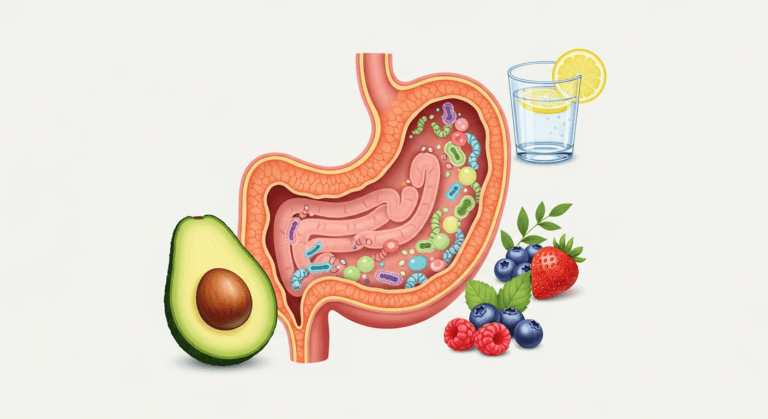

The Ultimate Guide to Improving Gut Health Naturally in Young Adults
Maintaining a healthy gut is essential for overall wellness, especially for young adults aged 23-30. A balanced gut supports digestion, boosts immunity, and even influences mood and energy levels. If you’re seeking proven methods to enhance your gut health naturally, this comprehensive guide provides actionable steps, scientific insights, and practical tips to optimize your digestive system.
Understanding Gut Health and Its Importance
Your gut, or gastrointestinal tract, plays a crucial role in processing food, absorbing nutrients, and eliminating waste. An imbalance in gut bacteria—also called dysbiosis—can lead to issues like bloating, constipation, fatigue, and weakened immunity. As a young adult, prioritizing gut health can improve your overall quality of life and long-term well-being.
Primary Factors Affecting Gut Health
- Diet: High processed foods, sugar, and alcohol disrupt gut bacteria.
- Stress: Chronic stress affects gut motility and microbiome diversity.
- Lack of Sleep: Sleep deprivation impairs gut barrier function.
- Medication Use: Antibiotics or NSAIDs can disturb microbial balance.
- Lifestyle: Sedentary habits impact gut motility and health.
Natural Strategies to Boost Gut Health
1. Adopt a Gut-Friendly Diet
Focus on including foods rich in fiber, prebiotics, probiotics, and antioxidants.
- Fermented Foods: Yogurt, kefir, sauerkraut, kimchi, and kombucha introduce beneficial bacteria.
- High-Fiber Foods: Fruits, vegetables, legumes, whole grains support healthy digestion.
- Prebiotic Foods: Garlic, onions, leeks, asparagus, bananas nourish existing microbiota.
- Reduce Processed & Sugary Foods: Minimize consumption to prevent dysbiosis.
2. Incorporate Probiotic Supplements
Consider high-quality probiotic supplements especially if you’ve taken antibiotics recently or experience digestive discomfort. Look for strains like Lactobacillus and Bifidobacterium for optimal benefits.
3. Prioritize Sleep and Stress Management
Implement relaxation techniques such as mindfulness meditation, deep breathing, or yoga. Maintaining a regular sleep schedule helps preserve gut barrier integrity.
- Example: Try 10-minute morning meditation or a calming nighttime routine.
- Tip: Use apps like Headspace or Calm for guided sessions.
4. Maintain Regular Physical Activity
Engage in at least 150 minutes of moderate exercise weekly. Activities like walking, cycling, or fitness classes improve gut motility and diversity.
5. Limit Antibiotic and Medication Overuse
Only use antibiotics when prescribed and necessary. Discuss with your healthcare provider about restoring gut flora post-antibiotics with probiotics or dietary adjustments.
Common Mistakes to Avoid
- Over-relying on supplements: Focus on food sources first.
- Ignoring stress levels: Chronic stress can undo diet efforts.
- Skipping sleep or exercise: Lifestyle choices directly impact gut health.
Tools and Resources for Gut Health Optimization
Leverage apps for tracking diet and sleep, and consider consulting a nutritionist or healthcare professional for personalized plans. For in-depth guidance, check this comprehensive article.
Comparison Table: Gut-Friendly Foods vs. Harmful Foods
| Gut-Friendly Foods | Harmful Foods |
|---|---|
| Fermented vegetables, yogurt, kefir | Fast food, candies, soda |
| Fruits, vegetables, whole grains | Refined carbs, processed snacks |
| Prebiotic foods like garlic and onions | Excessive alcohol, artificial sweeteners |
People Also Ask
How long does it take to see improvements in gut health?
Typically, noticeable changes can occur within 2–4 weeks with consistent dietary adjustments and lifestyle modifications.
Can gut health affect mental health?
Yes, the gut-brain axis links digestive health to mood, cognitive function, and stress levels. Improving gut flora may reduce anxiety and depression symptoms.
Are there natural remedies for bloating and digestion?
Yes, herbal teas like ginger or peppermint, and digestive enzymes can alleviate symptoms naturally.
Conclusion & Actionable Tips
Prioritizing gut health is achievable through simple, consistent lifestyle choices such as feeding your microbiome nourishing foods, managing stress, and staying active. Remember, small daily habits lead to significant long-term benefits.
Summary of Key Takeaways
- Eat fermented and high-fiber foods regularly.
- Use probiotics thoughtfully and avoid unnecessary antibiotics.
- Manage stress with mindfulness and prioritize quality sleep.
- Stay physically active to support digestion.
- Avoid processed foods and excess sugar.
Internal Linking Suggestions
- Boost your brain health to complement your gut health.
- Improve cognitive function through gut nutrition strategies.
- Natural sleep remedies for better gut health-backed sleep.




0 Comments