


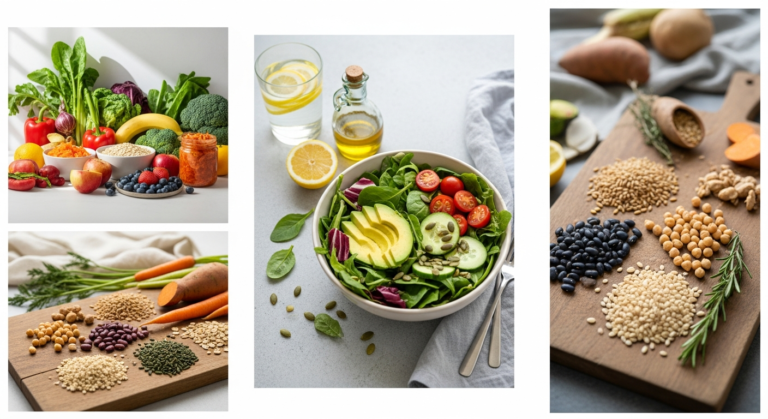

How to Boost Your Gut Health Naturally: A Complete Guide for Adults
Maintaining a healthy gut is essential for overall wellness, immunity, and mental health. If you’re looking for effective, natural ways to improve your gut health, you’re in the right place. This comprehensive guide will walk you through proven strategies, common mistakes to avoid, and simple steps you can implement today to support your digestive system and enhance your quality of life.
Understanding Gut Health and Why It Matters
The gut, often called the second brain, plays a vital role in nutrient absorption, immune function, and mental clarity. An imbalance in gut bacteria, known as dysbiosis, can lead to issues like bloating, fatigue, allergies, and even mood disorders. Therefore, nurturing your gut is crucial for long-term health.
Key Factors Influencing Gut Health
- Diet: The types of foods you eat directly impact your gut microbiome.
- Stress levels: Chronic stress can disrupt gut bacteria balance.
- Sleep quality: Poor sleep impairs digestive function.
- Medications: Overuse of antibiotics or NSAIDs can harm gut flora.
Natural Strategies to Improve Gut Health
1. Incorporate Probiotic-Rich Foods
Probiotics are beneficial bacteria that restore and maintain a healthy gut microbiome. Add these foods to your diet:
- Yogurt
- Sauerkraut and kimchi
- Kefir
- Tempeh and miso
- Kombucha
Consuming these regularly helps introduce diverse probiotic strains that aid digestion and immune health.
2. Increase Dietary Fiber Intake
High-fiber foods fuel beneficial gut bacteria and promote regular bowel movements. Focus on:
- Fruits (berries, apples)
- Vegetables (broccoli, carrots)
- Whole grains (oats, brown rice)
- Legumes (lentils, chickpeas)
Aim for at least 25-30 grams of fiber daily to support gut flora diversity.
3. Prioritize Prebiotic Foods
Prebiotics feed healthy bacteria and are found in:
- Garlic
- Onions
- Leeks
- Asparagus
- Bananas
Incorporate these to enhance probiotic effectiveness and gut resilience.
4. Reduce Inflammatory and Processed Foods
Limit intake of sugar, refined carbs, and processed snacks, which promote dysbiosis. Instead, opt for whole, unprocessed foods to maintain gut integrity.
5. Stay Hydrated
Water is essential for digestion and nutrient absorption. Drink at least 8 glasses daily to aid gut motility and prevent constipation.
6. Manage Stress and Promote Relaxation
Chronic stress alters gut bacteria composition. Practice mindfulness, meditation, or deep breathing exercises regularly to support gut health.
7. Prioritize Quality Sleep
Sleep deprivation affects gut bacteria diversity. Aim for 7-9 hours of restful sleep nightly to allow your digestive system to recover and thrive.
8. Use Natural Supplements Carefully
Consider adding probiotic supplements or prebiotic supplements after consulting with a healthcare professional. These can be effective but should be used responsibly.
Common Mistakes to Avoid
- Overusing antibiotics without medical supervision
- Ignoring symptoms of digestive distress
- Relying solely on supplements without dietary changes
- Skipping meals or eating irregularly
Sample Daily Routine for Gut Optimization
- Start your morning with a glass of water and a banana.
- Include yogurt or kefir at breakfast.
- Eat plenty of vegetables and whole grains at lunch and dinner.
- Snack on prebiotic-rich foods like raw garlic or onions.
- Practice 10-minute meditation to reduce stress.
- Avoid processed snacks and sugary drinks throughout the day.
- Prioritize 7-8 hours of quality sleep at night.
FAQs About Natural Gut Health Improvement
Q1: How long does it take to see improvements in gut health?
Typically, noticeable changes occur within 2–4 weeks of consistent dietary and lifestyle adjustments, but full microbiome restoration can take months.
Q2: Can I improve my gut health without supplements?
Yes. Focus on balanced nutrition, probiotics from foods, adequate hydration, and stress management. Supplements are optional and best used under guidance.
Q3: Are there specific foods I should avoid for gut health?
Limit or avoid processed foods, excess sugar, artificial sweeteners, and inflammatory trans fats, which can negatively impact your microbiome.
Q4: Is it safe to take probiotic supplements long-term?
Generally, yes, but consult a healthcare professional for personalized advice, especially if you have underlying health conditions or are immunocompromised.
Q5: What role does exercise play in gut health?
Regular physical activity promotes healthy digestion, enhances gut microbiome diversity, and reduces stress, all contributing to better gut health.
Conclusion and Actionable Takeaways
Improving your gut health naturally is achievable with consistent dietary and lifestyle choices. Incorporate probiotic and prebiotic-rich foods, minimize processed foods, manage stress, and prioritize sleep. Remember, a healthy gut supports immunity, mood, and overall vitality. For optimal results, consider consulting a nutritionist or healthcare professional to tailor strategies to your needs.
Start today by making small changes—your digestive health and overall well-being will thank you!
For more health and wellness strategies, check out our health category. To learn about sustainable lifestyle habits, visit this guide.




0 Comments