


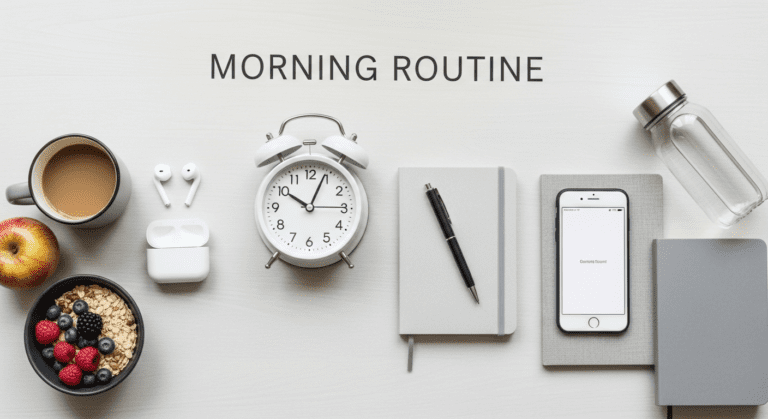

Ultimate Guide to Building a Consistent Morning Routine for Young Adults in the USA
Starting your day on the right foot can significantly influence your productivity, mental health, and overall life satisfaction. For young adults aged 23–30 in the USA, establishing a consistent morning routine is more than just a trend—it’s a proven strategy to unlock your full potential. If you’re ready to transform your mornings and set a positive tone for the day, this guide will walk you through practical, actionable steps.
Why a Morning Routine Matters for Young Adults
In today’s fast-paced world, many young adults struggle with time management, motivation, and maintaining healthy habits. A well-designed morning routine helps you:
- Boost productivity throughout the day
- Enhance mental clarity and focus
- Reduce stress and anxiety
- Create a sense of achievement early on
- Develop healthy habits that stick
Research shows that morning habits can influence your entire day—transforming chaos into control. But crafting a routine that fits your lifestyle requires understanding your goals and constraints.
Step-by-Step Guide to Create Your Perfect Morning Routine
1. Identify Your Goals and Priorities
Start by asking what you want to achieve with your mornings. Do you seek physical fitness, mental clarity, personal growth, or all of these? Clear goals help tailor your routine, making it sustainable and motivating.
- Examples of goals include:
- Improving fitness
- Practicing mindfulness or meditation
- Reading or learning something new
- Planning daily tasks
2. Determine Your Wake-Up Time
Find a consistent wake-up time that allows you to complete your routine without rushing. Ideally, wake up 30–60 minutes earlier than usual to create space for your new habits. Use tools like this guide for more detailed timing strategies.
3. Establish Key Activities
Choose 3–5 activities that align with your goals. Popular components include:
- Hydration: Drink a glass of water to kickstart metabolism
- Physical exercise: 10–20 minutes of stretching, yoga, or a quick workout
- Mindfulness or meditation: 5–10 minutes to reduce stress and enhance focus (see meditation tips)
- Personal development: Reading, journaling, or affirmations
- Planning your day: Review goals, set priorities, or create to-do lists
4. Incorporate Healthy Habits Gradually
Start with one or two habits and add more over time. Avoid overloading your mornings to prevent burnout.Consistency is key—small, daily steps lead to lasting change.
5. Prepare the Night Before
Lay out workout clothes, prep breakfast ingredients, or set your journal the night before. This reduces decision fatigue and simplifies your morning, making it easier to stick to your routine.
Tools and Apps to Support Your Morning Routine
- Habit trackers: Loop, Habitica
- Sleep trackers: Sleep Cycle, Oura Ring
- Meditation apps: Headspace, Calm
- Alarm apps: Gentle wake-up alarms like SmartWake
Using technology can enhance consistency and motivation, especially when starting.
Common Mistakes to Avoid
- Trying to change too much at once
- Inconsistent wake-up times
- Skipping activities that energize you
- Ignoring your natural energy peaks
- Neglecting sleep hygiene
Focusing on gradual, sustainable habits yields better long-term results.
Sample Morning Routine for Inspiration
| Time | Activity |
|---|---|
| 6:30 AM | Wake up & hydrate |
| 6:35 AM | Stretch or do a 10-minute workout |
| 6:50 AM | Meditate for 5 minutes |
| 6:55 AM | Read a motivational quote or journal |
| 7:05 AM | Review daily goals and plan |
| 7:15 AM | Have a healthy breakfast |
FAQs About Morning Routines for Young Adults
Q1: How long should my morning routine be?
Ideally, 20–30 minutes is sufficient to include key activities like hydration, exercise, and planning. Adjust based on your schedule and goals.
Q2: What if I’m not a morning person?
Gradually shift your wake-up time by 15-minute increments. Incorporate activities you enjoy to make mornings more appealing. Consistency helps reprogram your body clock.
Q3: How can I stay motivated to maintain my routine?
Set clear, achievable goals and track your progress. Celebrate small wins, and remind yourself of the benefits—better focus, energy, and well-being.
Q4: Can I modify my routine on weekends?
Absolutely. Flexibility prevents burnout. Use weekends to add longer activities or leisure practices, then return to your regular routine during weekdays.
Conclusion: Start Small, Stay Consistent, Reap the Benefits
Building a morning routine tailored to your goals is a powerful step toward personal growth and daily productivity. Remember, the best routine is one that’s sustainable and enjoyable. Begin with small changes, use the right tools, and stay committed. Over time, these habits will become automatic, setting a positive tone for your entire life.
For more tips on personal growth and productivity, explore our [blog](https://nefeblog.com/). Whether you’re in New York, Los Angeles, or anywhere in the USA, a strong morning routine is your foundation for success.
Actionable Takeaways
- Determine your specific morning goals
- Wake up 30–60 minutes earlier consistently
- Create a simple, enjoyable activity sequence
- Prepare the night before to reduce friction
- Track your habits for accountability




0 Comments