


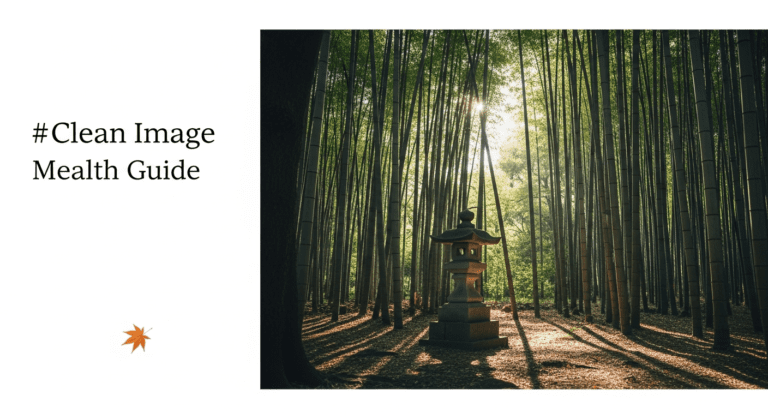

The Ultimate Guide to Boosting Mental Health Naturally for Young Adults in Japan
In today’s fast-paced world, maintaining good mental health is more crucial than ever, especially for young adults navigating university, work, and personal life. This comprehensive guide offers practical, evidence-based strategies tailored specifically for young adults in Japan seeking to improve their mental health naturally. Discover effective techniques, lifestyle modifications, and expert tips to enhance your well-being and achieve mental resilience.
Understanding Mental Health in Young Adults
Mental health challenges such as stress, anxiety, and depression are common among young adults in their 20s and 30s. Factors like academic pressure, career uncertainty, social expectations, and lifestyle changes can negatively impact mental well-being. Recognizing the importance of proactive, natural approaches can help mitigate these issues and promote a healthier mind.
Primary Strategies to Improve Mental Health Naturally
1. Practice Mindfulness and Meditation
Mindfulness and meditation are scientifically proven to reduce stress and improve emotional regulation. For young adults in Japan, integrating practices like guided meditation can help manage daily anxieties and foster a sense of calm. Start with 10-minute daily sessions, focusing on breathing and present-moment awareness.
2. Maintain a Balanced Diet Rich in Brain-Boosting Nutrients
Nutrition plays a vital role in mental health. Foods rich in omega-3 fatty acids, B-vitamins, and antioxidants support brain health. Include fish like salmon, leafy greens such as spinach, and berries in your diet. Reducing processed foods and sugar intake can also stabilize mood swings.
3. Engage in Regular Physical Activity
Exercise releases endorphins, natural mood lifters. Activities like walking, cycling, or sending time outdoors at parks such as Yoyogi Park in Tokyo can significantly reduce stress levels. Aim for at least 150 minutes of moderate exercise weekly for optimal mental benefits.
4. Prioritize Sleep Quality
Quality sleep is fundamental to mental health. Use natural sleep remedies or routines to improve sleep patterns. Techniques include limiting screen time before bed and maintaining a consistent sleep schedule. For additional help, consult guides like this article for sleep optimization tips.
5. Cultivate Social Connections
Strong social support buffers against mental health issues. Join local clubs or online communities, such as cultural groups or language exchange meetups. Engaging with friends and family provides emotional support and reduces feelings of loneliness.
Additional Natural Approaches
6. Practice Journaling and Gratitude
Daily journaling helps process emotions and reduces mental clutter. Focus on gratitude exercises to shift attention toward positive aspects of life, fostering a resilient mindset.
7. Limit Digital Overload
Reduce exposure to social media and news that can heighten anxiety. Set intentional boundaries for screen time and take regular breaks to disconnect.
8. Explore Nature and Outdoors Activities
Being in nature significantly reduces stress hormones. Visit Japan’s scenic spots like Mount Fuji or serene temples and gardens to reconnect and recharge mentally.
Monitoring Progress and When to Seek Help
While natural methods are effective, persistent or severe mental health issues require professional support. Recognize signs such as prolonged sadness, hopelessness, or suicidal thoughts. Seek assistance from mental health experts or counselors specializing in young adult care.
Conclusion and Actionable Takeaways
- Start practicing mindfulness daily to reduce stress.
- Incorporate brain-healthy foods into your diet for sustained mental well-being.
- Engage in regular physical activity and prioritize good sleep habits.
- Build and nurture meaningful social connections.
- Limit digital screen time and spend time outdoors in nature.
By integrating these natural strategies, young adults in Japan can proactively improve mental health, build resilience, and enjoy a more balanced life. Remember, consistency is key, and seeking professional help when necessary is a sign of strength.
Frequently Asked Questions (FAQs)
1. How long does it take to see improvements in mental health from natural methods?
Typically, you may start noticing benefits within 2–4 weeks of consistent practice but expect full effects after 6–8 weeks of sustained effort.
2. Are there specific foods that boost mental health in young adults?
Yes, foods rich in omega-3 fatty acids (like salmon and walnuts), B-vitamins (whole grains, eggs), and antioxidants (berries, spinach) are especially beneficial.
3. Can meditation replace medication for mental health issues?
While meditation can significantly improve mental well-being, severe issues should be managed with professional treatment. Meditation complements medical approaches rather than replacing them.
4. What are common mistakes to avoid when trying natural mental health improvements?
- Overloading on caffeine or alcohol.
- Neglecting sleep hygiene.
- Expecting instant results and giving up early.
5. How can I maintain consistency in practicing these methods?
Set small, manageable goals, create routines, and track progress to stay motivated.
External Resources for Further Support
- World Health Organization – Mental Health
- Mind UK – Mental Health Support
- Meditation Guide for Young Adults
Invest in your mental health today by adopting these natural, practical strategies tailored for young adults in Japan. Your brighter, balanced future starts now.




0 Comments