


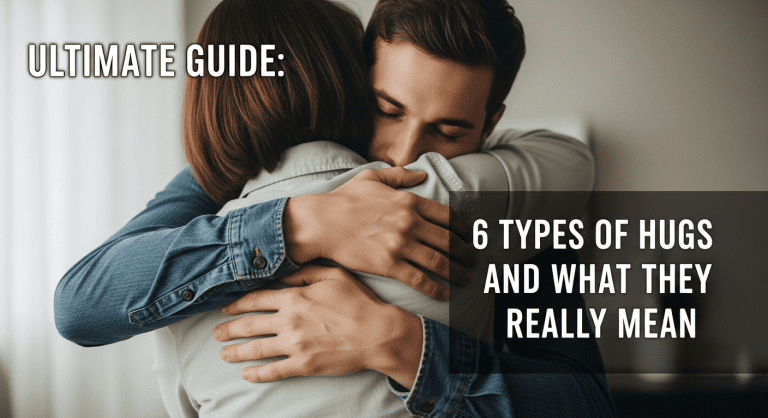

Ultimate Guide to Understanding the Types of Hugs and Their Meaning
Hugs are universal gestures of affection, comfort, and connection that transcend language and culture. But did you know that there are various types of hugs, each carrying different emotional messages? Understanding these different styles can deepen your relationships and help you communicate more effectively through touch. In this comprehensive guide, we explore the most common types of hugs, their meanings, and how to interpret them.
What Are the Different Types of Hugs?
Hugs come in many forms, each conveying a unique message. Recognizing these can enhance your emotional intelligence and improve your social interactions. Here are the most prevalent types:
1. The Bear Hug
The bear hug is a firm, full-body embrace, often with both arms wrapped tightly around the other person. It signifies warmth, strength, and genuine affection. Typically used among close friends, family members, or romantic partners, it indicates a desire for closeness and protection.
2. The Side Hug
The side hug involves one person wrapping an arm around the other’s shoulders while standing side-by-side. It is less intimate and more casual, making it suitable for acquaintances or colleagues. This hug shows friendliness without implying romantic interest.
3. The Waist Hug
The waist hug is common among couples and close friends. It involves wrapping arms around each other’s waist. This hug communicates intimacy, affection, and a sense of security.
4. The Heart-to-Heart Hug
This tender embrace involves both persons placing their hands over each other’s hearts. It symbolizes deep emotional connection and sincerity, often performed during heartfelt moments.
5. The Patting Hug
The patting hug is characterized by a light squeeze with a gentle pat on the back. It’s often used to offer comfort or congratulate someone, conveying support and encouragement.
6. The Quick Hug
A brief, often one-armed hug, usually used in casual situations or as a greeting. It signifies friendliness or politeness without deep emotional involvement.
What Do Different Hugs Mean?
Understanding the meaning behind each hug can help interpret others’ emotions and intentions:
- Warm and tight hugs: Deep affection, love, and trust.
- Casual or quick hugs: Friendliness or greeting manners.
- Side hugs: Friendly, non-romantic relationship.
- Lingering hugs: Desire for connection or comfort during emotional moments.
How to Recognize and Respond to Different Hugs
Pay attention to the context and the body language of the person hugging you. For example:
- If someone gives you a tight, lingering hug, they might be seeking comfort or expressing love.
- A quick, casual hug suggests acquaintance or politeness.
- If the hug involves holding hands or waist contact, it likely indicates romance or close friendship.
Respond in kind, matching the person’s intent and comfort level. If you’re unsure about their feelings, a friendly smile or verbal acknowledgment can help clarify the situation.
Tips for Giving the Perfect Hug
- Pay attention to body language: Ensure your hug aligns with the relationship and comfort level.
- Keep it genuine: Authenticity makes your hug more meaningful.
- Mind personal boundaries: Respect others’ cues and avoid unwanted touch.
- Use appropriate duration: Longer hugs can signify deeper emotion; keep it brief if uncertain.
Conclusion
Hugs are more than just physical contact; they are powerful non-verbal messages that express emotions like love, support, and friendship. Recognizing the different types of hugs and their meanings can enhance your social skills and deepen your relationships. Remember always to respect personal boundaries and respond sincerely to the gestures of others.
Frequently Asked Questions (FAQs)
1. What is the difference between a romantic and a friendly hug?
Romantic hugs typically involve more body contact, linger longer, and may include touching other areas like the waist or holding hands. Friendly hugs are usually brief, casual, and involve less body contact.
2. How can I know if someone’s hug is romantic?
If the hug is prolonged, includes touching the face or neck, or involves intimate gestures like holding the waist, it’s likely romantic. Also, body language cues such as lingering eye contact can be indicators.
3. Are there cultural differences in hugging styles?
Yes, cultural norms influence hugging behaviors. Some cultures hug more openly, while others prefer minimal contact or bowing. Always consider cultural context when interpreting or engaging in hugs.
4. How can I politely decline a hug if I’m uncomfortable?
Politely step back, offer a verbal response like “I prefer not to hug,” or substitute with a friendly gesture such as a wave or nod to maintain politeness and boundaries.
5. Can giving the wrong type of hug harm a relationship?
Yes, an inappropriate or unwanted hug can cause discomfort or misunderstandings. Always ensure consent and be aware of the relationship context before embracing someone.
For more insights on building meaningful relationships, visit our relationship tips guide.




0 Comments