



How to Build a Daily Meditation Routine: Step-by-Step Guide for Beginners
In today’s fast-paced world, finding time to relax and clear your mind is crucial for maintaining mental health and overall well-being. If you’re new to meditation or struggling to develop a consistent practice, this comprehensive guide will help you establish a simple, effective daily meditation routine. By incorporating these step-by-step strategies, you’ll unlock the benefits of mindfulness and create a habit that lasts.
What Is Meditation and Why Is It Important?
Meditation is a practice that involves focused attention and controlled breathing to cultivate mental clarity, reduce stress, and enhance emotional health. Regular meditation can improve concentration, lower blood pressure, and promote a sense of calmness. For beginners, establishing a daily routine is the key to experiencing these benefits consistently.
Setting Clear Goals for Your Meditation Practice
Before starting, define what you want to achieve. Do you seek stress relief, better focus, or improved sleep? Clear goals help tailor your practice and increase motivation. Remember, consistency over perfection is what yields results.
Step-by-Step Guide to Building Your Meditation Routine
1. Choose a Quiet, Comfortable Space
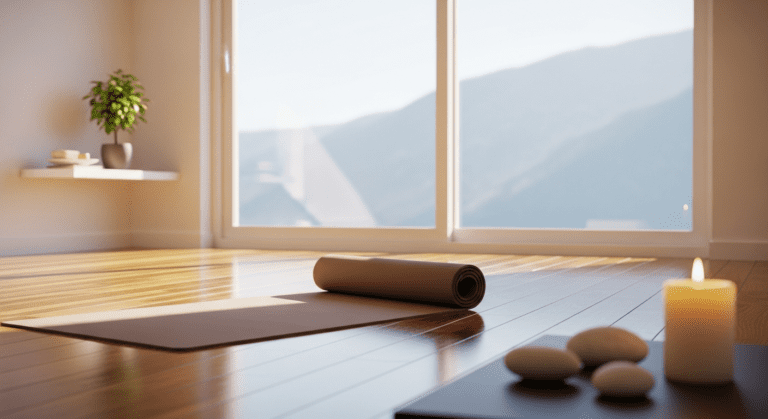
Select a spot free of distractions where you feel relaxed. It could be a corner in your room, a balcony, or even a peaceful park. Ensure the temperature is comfortable, and use cushions or chairs for support.
2. Decide on a Specific Time
Consistency is key. Pick a time that fits your daily schedule—morning, lunch break, or evening. Setting a specific time helps build the habit and primes your brain for meditation.
3. Start with Short Sessions
If you’re new, begin with 5–10 minutes daily. As you become more comfortable, gradually increase to 20–30 minutes. Short, consistent sessions are more sustainable and effective than irregular, longer ones.
4. Use Guided Meditation or Silent Practice
- Guided Meditations: Use apps like Calm or Headspace, which offer structured sessions.
- Silent Meditation: Focus on your breath, bodily sensations, or a mantra without external guidance.
5. Focus on Breath and Mindfulness
Pay attention to your inhalations and exhalations. When your mind wanders, gently bring it back to your breath. This practice enhances focus and develops mindfulness.
6. Incorporate Gentle Reminders and Alerts
Set alarms or notifications to prompt your practice. External cues reinforce the habit absent of willpower alone.
Tools and Tips for Success
- Meditation Apps: Calm, Headspace
- Sleep Well: Avoid meditating right before bed if it energizes you; opt for morning sessions for alertness.
- Be Patient: Building a new habit takes time. Expect fluctuations and celebrate small wins.
Common Mistakes to Avoid
- Forcing Focus: Don’t judge yourself if your mind drifts. Gently refocus without frustration.
- Irregular Practice: Skipping days or inconsistent timing reduces effectiveness. Aim for daily practice.
- Overdoing at First: Avoid longer sessions initially; start small and build gradually.
Tracking Your Progress and Staying Motivated
Use a journal or meditation app to log your sessions. Reflection reveals patterns and boosts motivation. Join online communities or local groups for support and accountability.
FAQs About Starting a Meditation Routine
Q1: How long should I meditate each day as a beginner?
Start with 5–10 minutes daily. Gradually increase to 20–30 minutes as you become more comfortable.
Q2: What is the best time of day to meditate?
Most find mornings to be ideal for setting a mindful tone. However, choose a time that fits your schedule consistently.
Q3: Can meditation help with stress and anxiety?
Yes. Regular meditation reduces cortisol levels and promotes relaxation, helping manage stress and anxiety effectively.
Q4: Do I need special equipment or space?
No special equipment is necessary. A quiet, comfortable space and a few minutes are sufficient to start.
Q5: How long does it take to see benefits?
Some benefits, like stress relief, can be noticed within days. Long-term improvements in focus or sleep develop over weeks.
Conclusion
Building a daily meditation routine is a simple but powerful step toward enhancing your mental clarity and emotional resilience. Focus on consistency, start small, and choose a method that suits your lifestyle. Over time, meditation can become a natural, beneficial part of your daily life, helping you navigate life’s challenges with greater calm.
Actionable Takeaways
- Choose a calm, dedicated space for meditation.
- Start with 5-10 minutes daily at a fixed time.
- Use guided apps or silent breathing focus.
- Be patient and consistent; results build over time.
- Track your progress and seek support if needed.
To deepen your understanding, explore related content such as meditation for better sleep or morning routines for productivity.




0 Comments