


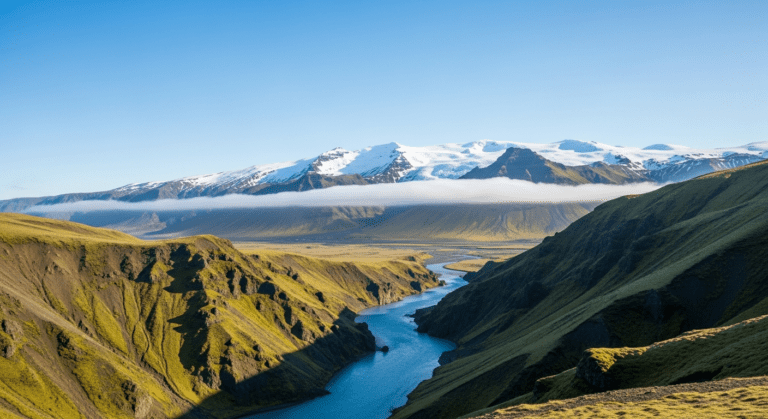

Ultimate Guide to Budget Travel in Iceland: Tips & Tricks for Young Adventurers
Dreaming of exploring breathtaking waterfalls, glaciers, and volcanic landscapes without breaking the bank? Iceland offers unparalleled natural beauty for budget travelers, especially those aged 23–30 seeking adventure and affordability. This comprehensive guide unlocks the best strategies for social, economical, and unforgettable trips to Iceland.
Why Iceland Is a Top Destination for Budget Travelers
Despite being known for luxury lodges and costly tours, Iceland can be explored cost-effectively with proper planning. Its diverse landscapes—from the Golden Circle to Black Sand Beaches—are accessible to budget-conscious explorers who know how to optimize their trip.
Benefits include:
- Affordable transportation options like rental cars and public buses
- Low-cost accommodations such as hostels, camping, and guesthouses
- Inexpensive street food and supermarkets
- Numerous free or low-cost outdoor activities
Compared to other European destinations, Iceland offers remarkable value when planned smartly, making it perfect for young adults eager for adventure.
Planning Your Budget Trip to Iceland
1. Off-Peak Travel Means More Savings
The best time for budget travel is during the shoulder seasons—spring (April-May) and fall (September-October). Avoid peak summer months to dodge crowds and sky-high prices.
2. Find Affordable Flights
Utilize fare comparison sites like Skyscanner for low-cost flights to Reykjavík (Skyscanner) and book early for deals. Consider flying from major hubs in Europe, which often offer cheaper international fares.
3. Choose Budget Accommodations
- Hostels and guesthouses
- Camping grounds, available nationwide (bring your own gear)
- Short-term rentals on Airbnb, especially outside Reykjavík
4. Smart Transportation Strategies
- Rent a fuel-efficient car or campervan—compare prices on CampingCar Iceland
- Utilize public buses for city travel and regional tours
- Join group tours for popular attractions to split costs
Saving Money on Food and Activities
1. Shop at Supermarkets
Visit Netto or Bonus for groceries. Prepare your own meals or picnic during excursions to save on dining expenses.
2. Eat Cost-Effective Local Food
Street food stalls, bakeries, and food trucks offer authentic Icelandic dishes at reasonable prices. Try hot dogs from Icelandic hot dog stands.
3. Enjoy Free or Low-Cost Activities
- Hiking Iceland’s scenic trails (e.g., Glymur Waterfall, Reykjadalur Valley)
- Exploring geothermal areas like the Geysir Hot Springs
- Visiting waterfalls such as Seljalandsfoss and Skógafoss
- Camping in national parks
Top Budget-Friendly Tours & Passes
- Book packed day trips focusing on self-guided exploration
- Consider Reykjavik City Card for free entry to museums and discounted city tours
- Use multiple-day passes for buses and tours when available
Essential Tips for a Smooth Budget Trip
- Pack appropriate gear—layers, waterproof clothing, and camping equipment
- Download offline maps and travel apps (e.g., Visit Iceland, Google Maps)
- Set daily spending limits and keep a travel budget
- Stay flexible and spontaneous for deals and local tips
FAQs About Budget Traveling in Iceland
Q: Is it cheaper to rent a campervan or stay in hostels?
Renting a campervan often saves money on both accommodation and transportation, especially for groups. However, hostels are ideal for solo travelers or those who prefer indoor facilities.
Q: What’s the most affordable way to see Iceland’s natural wonders?
Self-guided hikes and visiting free sites like waterfalls and geothermal areas offer incredible experiences at minimal or no cost. Combine this with a rented bike or car for flexibility.
Q: How can I find cheap flights to Iceland?
Use comparison tools like Skyscanner and set fare alerts. Consider traveling during shoulder seasons and flying through major European hubs to find cheaper options.
Q: Are there budget options for tours and excursions?
Yes. Look for group tours, self-guided activities, and regional passes. Avoid expensive packaged tours unless they offer unique value.
Q: Is camping allowed everywhere?
Camping is permitted in designated areas and national parks. Always check local regulations and respect nature to ensure a safe outdoor experience.
Conclusion & Actionable Takeaways
Exploring Iceland on a budget is entirely feasible with strategic planning: traveling during shoulder seasons, choosing affordable accommodations, preparing your own meals, and embracing free outdoor adventures. By following these tips, young adventurers can experience Iceland’s stunning landscapes without overspending.
Start planning early, compare prices diligently, and stay flexible. Your epic, budget-friendly Iceland adventure awaits!
For more travel tips, visit NefeBlog Travel Category and check out our guide on Solo Travel Safety.




0 Comments