


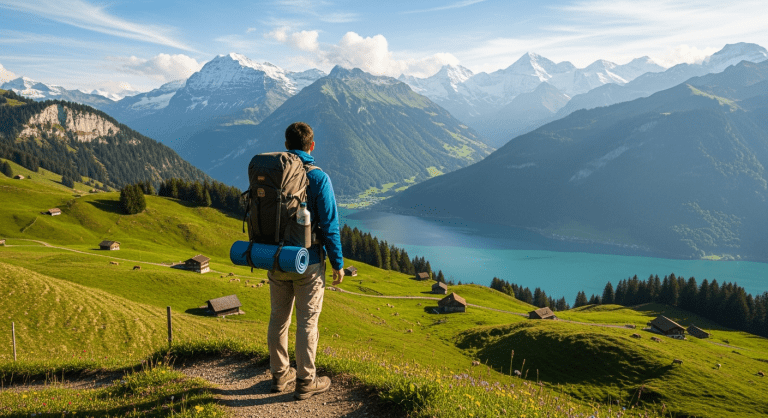

Ultimate Guide: Budget-Friendly Solo Travel in Switzerland for 31-40 Year Old Adults
Dreaming of exploring Switzerland solo without breaking the bank? This in-depth guide for 31-40 year old adults reveals exact strategies, hidden gems, and practical tips to enjoy budget-friendly solo travel in Switzerland. Whether you’re seeking scenic train rides, alpine adventures, or cultural wonders, discover how to stretch your francs for an unforgettable Swiss experience—without sacrificing comfort, safety, or fun.
Why Switzerland is Perfect for Solo Budget Travel
Switzerland is famed for safety, reliable transport, and stunning landscapes. While many travelers assume it’s expensive, it’s absolutely possible to explore Switzerland solo on a budget—especially for adults aged 31-40 who seek a balance of value, independence, and unique experiences.
- Top-notch safety: Ideal for solo travelers.
- Efficient public transport: No car needed.
- Diverse hostels and guesthouses: Clean, social, and affordable.
- Plenty of nature: Mountains, lakes, and trails are often free.
Want to refine your solo travel routine? For more solo tips, check this essential solo travel guide.
How Much Does Budget Solo Travel in Switzerland Really Cost?
Let’s break down a realistic daily budget for a solo adult in Switzerland:
| Category | Budget Option (CHF) |
Mid-Range Option (CHF) |
|---|---|---|
| Accommodation | 30-60 | 80-120 |
| Meals | 15-40 | 50-70 |
| Transport (Daily) | 8-20 | 40-80 (regional passes) |
| Sightseeing | 0-20 | 30-50 |
| Total Approx. | 53-140 | 200-320 |
Pro tip: Save on Swiss Travel Pass alternatives and free activities—keep reading to learn how!
Top Money-Saving Tips for Solo Travelers in Switzerland (31-40 Years Old)
1. Choose the Right Accommodation
- Hostels & Guesthouses: Ride the wave of stylish hostels—modern, social, and surprisingly affordable. Try Swiss Hostels.
- Airbnb Private Rooms: Great for privacy, culture, and value.
- Use loyalty points and book early for better deals.
2. Master Public Transportation
- Regional transport passes (like Tell-Pass, Jungfrau Travel Pass): Cheaper than the all-in-one Swiss Pass if you stay in one region.
- SBB Super Saver tickets: Book specific trains in advance for 50%+ off. Official SBB site.
- Walk or rent bikes in cities like Zurich, Bern, or Geneva—most have free or low-cost city bike schemes.
3. Eat Like a Savvy Local
- Supermarket deli counters—Migros and Coop offer healthy, budget “menu du jour” boxes.
- Visit farmers’ markets for local cheese, breads, and fruit.
- Lunch specials (“Mittagsmenü”): Restaurants often have cheaper fixed menus at lunch.
- Water fountains everywhere: Swiss tap water is not only drinkable—it’s famous for its quality!
4. Free and Low-Cost Activities
- Hiking: Switzerland’s hiking trails (over 65,000 km!) are free and range from easy lakeside walks to epic mountain hikes. Check route maps on SchweizMobil.
- Public swimming lakes and rivers: Popular among locals in summer—swim beside the Alps!
- Free city walking tours: Zurich, Lucerne, and other cities offer donation-based tours.
- Museums on free days: Many museums have a monthly free admission day.
5. Smart Planning & Off-Season Travel
- Travel April–June or September–October: Fewer tourists, lower prices, and the weather is ideal.
- Book in advance for trains, hostels, and attractions—especially during festivals.
- Monitor currency fluctuations—plan bigger expenses when the franc is weaker.
For more hacks, explore our essential guide to budget solo travel.
Best Swiss Itineraries for the Solo Traveler on a Budget
Classic 7-Day Itinerary: The Affordable Highlights Loop
- Zurich: 2 days for artsy neighborhoods, free museum days, swimming in Lake Zurich.
- Lucerne: 1–2 days for lakeside walks, old town, and budget-friendly hostels.
- Interlaken or Lauterbrunnen: 2 nights for hiking, waterfalls, and mountain air (skip expensive cable cars by choosing lower-altitude hikes).
- Bern: 1 day for riverside swimming, bears, medieval streets—don’t miss the free Rose Garden panorama.
- Return to Zurich, spending the last day exploring food markets or a quick detour to Basel.
Unmissable Day Trips for Solo Travelers
- Rigi Mountain: Panoramic hikes (often included with regional passes).
- Lauterbrunnen Valley: Walk or bike past 72 waterfalls—cable car optional!
- Gruyères: Cheese tour and medieval old town—affordable with train Super Saver fares.
Safety and Practical Solo Travel Advice for 31-40s in Switzerland
- Use official taxi apps (like 7×7, Uber operates in only a few cities)—avoid unlicensed taxis.
- Share itineraries with family or friends for peace of mind.
- Check out our in-depth solo safety guide: Solo Travel Safety: 7 Hacks for Fearless Adventures.
- Invest in basic travel insurance—see our insurance tips for hassle-free travel.
- Learn a few phrases in German, French, or Italian: The Swiss appreciate it, and it makes connections easier. (Try Duolingo or language meetups.)
Packing Essentials for Swiss Solo Travel
- Light layers: Mountain weather is unpredictable.
- Reusable water bottle and small backpack.
- Universal adapter: Swiss sockets are unique.
- Basic first-aid kit and travel insurance details.
- Travel apps: Download SBB Mobile, Maps.me, and local city guides for offline planning.
For the ultimate packing checklist, see this smart packing guide.
Best Apps and Tools for Budget Travelers in Switzerland
- SBB Mobile: Official Swiss Railways app for tickets and schedules.
- Too Good To Go: Grab discounted bakery/restaurant leftovers daily.
- Couchsurfing/Meetup: Find events and local friends easily.
Apps can streamline planning—and maximize savings for solo travelers over 30.
Frequently Asked Questions (FAQ)
Is Switzerland safe for solo travelers in their 30s?
Yes—Switzerland is one of the safest destinations for solo adults, with low petty crime and friendly transport systems. Always use standard precautions, especially at night or in busy stations.
How can I avoid overspending on food in Switzerland?
Eat from supermarkets, seek out lunch specials, use the Too Good To Go app, and picnic along lakes or in parks for cheap, fresh meals.
Are hostels suitable for travelers aged 31-40?
Absolutely! Modern hostels in Swiss cities and mountain towns attract all age groups, often with private rooms and a friendly, respectful vibe.
What are the best off-season months to visit?
April–June and September–October offer mild weather and reduced prices—perfect for exploring without crowds.
Which regional travel passes are best for my trip?
Use a regional pass (like Tell-Pass or Jungfrau Travel Pass) if you’ll stay local, or hunt for SBB Super Saver tickets for specific legs. The full Swiss Travel Pass is only cost-effective for non-stop travel or museum visits.
Do I need travel insurance for solo travel in Switzerland?
Yes. Even though the country is safe, travel insurance covers health, cancellations, and more. Learn how to choose the right plan in our dedicated insurance guide.
Conclusion: Adventure Awaits—Affordably
Solo budget travel in Switzerland is not only possible—it’s rewarding and easy for adults aged 31-40. With careful planning, clever use of transport and passes, and a little local know-how, you can unlock Swiss beauty and culture at a cost that fits your lifestyle and solo goals.
- Book early for best rates.
- Prioritize regional passes and free activities.
- Embrace hostel culture (at any age) and local food hacks.
Ready to plan your Swiss adventure? Don’t forget to check these helpful resources for more:
- Budget-Friendly Solo Travel: Essential Guide
- Ultimate Road Trip Packing Guide (for Adults)
- Solo Travel Safety: 7 Proven Hacks
For further reading on budget travel or digital nomad tips, explore Nomadic Matt or Switzerland’s official budget advice.




0 Comments