


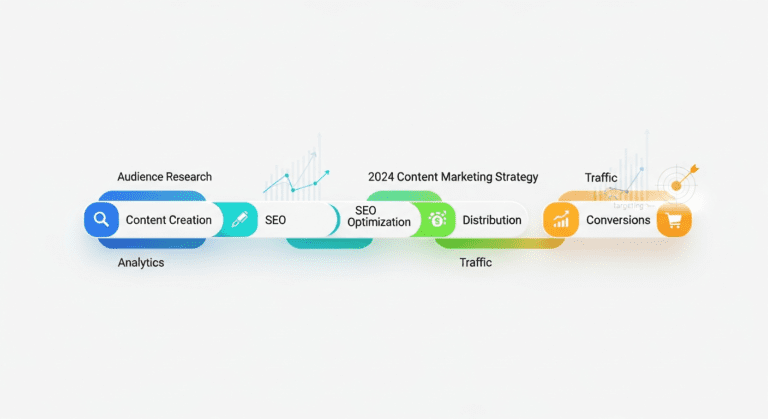

How to Build a Successful Content Marketing Strategy in 2024
In today’s digital landscape, a well-crafted content marketing strategy is crucial for brands aiming to increase their visibility, attract targeted audiences, and drive conversions. This comprehensive guide offers step-by-step instructions, proven tactics, and expert insights to help you develop an effective strategy that outperforms competitors and adapts to evolving trends in 2024.
Understanding Content Marketing Strategy and Its Importance
A content marketing strategy is a planned approach to creating, publishing, and managing valuable content aligned with your business goals. It helps establish authority, foster customer trust, and generate sustainable organic traffic. With competition intensifying, it’s essential to craft a strategy grounded in research, data, and clear objectives.
Step 1: Define Clear Business and Content Goals
Begin by identifying what your brand wants to achieve. Whether it’s increasing website traffic, generating leads, or boosting brand awareness, your goals should be specific, measurable, attainable, relevant, and time-bound (SMART). Clear goals inform content topics, distribution channels, and KPIs.
Step 2: Know Your Audience Deeply
Effective content marketing hinges on understanding your target audience. Develop detailed buyer personas considering demographics, pain points, preferences, and online behavior. Use tools like Google Analytics, social media insights, and surveys to gather data.
Step 3: Conduct Keyword and Competitor Research
Primary Keyword Selection
Choose a primary keyword that aligns with your target audience’s search intent and has realistic ranking potential based on competition and search volume. For 2024, focus on long-tail keywords with low competition for quick wins.
Identify Secondary and LSI Keywords
Incorporate related secondary keywords and Latent Semantic Indexing (LSI) keywords to enhance topical relevance and improve chances for featured snippets and People Also Ask boxes.
Step 4: Map Content Types and Topics to Funnel Stages
Create a content calendar that addresses different stages of the buyer’s journey:
- Awareness: Blog posts, infographics, social media content
- Consideration: Case studies, comparison articles, webinars
- Decision: Demos, detailed guides, product pages
Step 5: Develop a Content Creation Workflow
Establish a process with clear roles for topic ideation, content creation, editing, SEO optimization, and publishing. Use tools like Trello or Notion to track progress.
Step 6: Optimize Content for SEO and User Engagement
Every piece of content should follow SEO best practices:
- Include the primary keyword in title, first 100 words, one H2, and naturally throughout the text
- Use bullets, tables, and FAQs for scannability
- Add internal links to relevant pages like Nefeblog homepage or related articles
- Ensure fast loading, mobile responsiveness, and accessibility
Step 7: Promote Content Strategically
Distribute your content via social media, email newsletters, industry forums, and relevant communities. Consider collaborations with influencers or authoritative sites to boost reach and backlinks.
Step 8: Measure and Adjust Using Analytics
Track key metrics such as organic traffic, bounce rate, engagement, and conversions using tools like Google Analytics and Search Console. Regularly review performance and refine your strategy based on data insights.
Common Pitfalls to Avoid
- Keyword stuffing or over-optimization
- Publishing low-quality or off-topic content
- Ignoring user intent and search behavior
- Neglecting mobile and technical SEO factors
- Failing to update or repurpose content regularly
FAQs About Content Marketing Strategy
What is the most effective content marketing channel in 2024?
In 2024, content marketing channels like SEO-optimized blogs and social media continue to be most effective, especially when combined with video and voice search strategies.
How long does it take to see results from content marketing?
Typically, it takes 3 to 6 months to start seeing significant organic traffic growth, with sustained effort leading to long-term gains.
What tools are essential for managing a content marketing strategy?
Key tools include AI content generators (like Jasper), keyword research tools (SEMrush, Ahrefs), SEO plugins, and project management platforms such as Trello or Notion.
Conclusion and Key Takeaways
Crafting a robust content marketing strategy requires clear goals, deep audience insights, thorough research, and continuous optimization. Focus on delivering value through targeted content tailored to each stage of the customer journey, leveraging SEO best practices to outperform competitors. Remember, consistency and data-driven decisions are the pillars of success in 2024 and beyond.
By applying these steps, your brand can build a top-ranking and sustainable online presence. For further insights, consider exploring more about AI-driven content tools or advanced SEO strategies for 2025.




0 Comments