


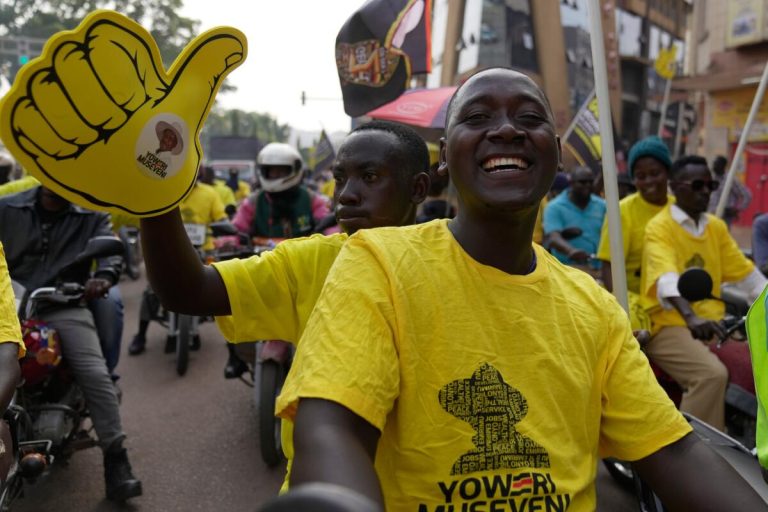

Uganda Election 2026: Museveni Wins Amid Fraud Allegations, Violence, and Opposition Suppression
The Uganda Election 2026 held on January 15 has confirmed President Yoweri Museveni’s grip on power for a seventh term, extending his 40-year rule despite widespread allegations of misconduct. The election has been marred by reports of violence, internet blackouts, voter fraud, and repression targeting opposition leader Bobi Wine. This comprehensive analysis explains the key facts, issues, and implications behind the contested vote and what it means for Uganda’s future democracy.
Overview of the 2026 Uganda Presidential Election
The 2026 presidential election in Uganda took place on January 15, with final results announced around January 17. Incumbent President Yoweri Museveni, an 81-year-old former guerrilla leader who has been in power since 1986, officially won with approximately 73.7% to 76% of the vote, based on over 80% of ballots counted. His main challenger, Bobi Wine, a 43-year-old former pop star and leader of the National Unity Platform (NUP), came in with 20% to 22.7% of the vote amid strong allegations of fraud and intimidation.
- Museveni’s tenure: Over four decades as president, continuously cementing control through constitutional changes.
- Bobi Wine: Also known as Robert Kyagulanyi Ssentamu, he brands himself the “ghetto president,” representing youth and marginalized urban populations.
- Final Vote Count: Announced days after the election, raising scrutiny over transparency.
Controversies Surrounding the Election
Fraud and Technical Failures
Reports emerged describing biometric voter verification failures, delayed and mishandled ballot deliveries, and ballot stuffing, all compromising the election’s integrity. These technical issues fueled suspicions that the ruling party manipulated processes to ensure Museveni’s victory.
Internet Blackout and Media Censorship
The government imposed a nationwide internet blackout starting before election day, severely limiting communication and independent media coverage. This blackout disconnected millions of Ugandans during a critical democratic exercise and prevented real-time monitoring of election irregularities.
Violence and Repression Against Opposition
The election period saw significant violence and repression targeting opposition activities:
- At least 7 to 10 fatalities linked to clashes between security forces and protesters.
- Tragic deaths of 10 counted campaign agents in a raid in Butambala District, highlighting systematic targeting of opposition supporters.
- Bobi Wine’s reported house arrest or abduction by an army helicopter — a claim the Ugandan military spokesperson denied, labeling it a provocation attempt. Despite denials, Wine’s house was raided, and his freedom severely restricted.
These events echo the 2021 election cycle, where similar repression was noted by the United Nations, emphasizing a consistent pattern of intimidation and violence against opposition figures.
Key Players and Their Profiles
Yoweri Museveni
– Age: 81
– In power since 1986, Museveni rose as a guerrilla leader before establishing a stronghold through constitutional amendments allowing indefinite terms.
– His rule is marked by authoritarian control enforced by state security apparatuses.
Bobi Wine (Robert Kyagulanyi)
– Age: 43
– Leading the opposition NUP, Bobi Wine represents Uganda’s youth and marginalized communities, particularly the urban poor.
– Known for his previous career as a popular musician, he’s become a symbol of democratic resistance amid harsh government crackdowns.
Why the 2026 Uganda Election Matters
The election highlights the ongoing democratic backsliding in Uganda under Museveni’s increasingly autocratic regime. The use of violence, suppression of opposition voices, manipulation of electoral processes, and technology blackouts reflect states using control of security and digital tools to silence dissent.
Global observers, human rights advocates, and youth activists have expressed concern about the erosion of democratic norms in Africa due to such elections. The conflict also raises the risk of further unrest, destabilizing a country vital for regional security and stability.
Frequently Asked Questions (FAQs)
Was Bobi Wine truly under house arrest during the election?
Reports indicated that Bobi Wine was placed under house arrest or possibly abducted, but the military denied these claims. However, the opposition’s denouncement of the army raid on his home and restricted movement lends credibility to claims of confinement.
What evidence supports claims of election fraud in Uganda 2026?
Supporting evidence includes biometric voter verification glitches, delayed or missing ballots, ballot stuffing reports, irregularities in vote tallies, and limited transparency from the Electoral Commission.
How did the internet blackout affect the election process?
The blackout prevented independent fact-checking, citizen reporting, and international monitoring during and after voting. It also restricted communication among opposition groups and curtailed public access to information.
What were the major incidents of violence around the 2026 election?
Violence included deadly raids on opposition campaign agents, clashes in central Uganda, and fatalities among protesters and civilians. These acts are interpreted as state-led efforts to intimidate and dismantle opposition movements.
How does the 2026 election compare to previous Ugandan elections?
Like the 2021 elections, the 2026 vote was characterized by allegations of repression, fraud, and violence. Museveni’s extended rule reflects ongoing patterns of weakening checks and balances while suppressing Gen Z activism and youth opposition.
Conclusion: The Future of Uganda’s Democracy Post-2026 Election
The Uganda Election 2026 solidifies President Museveni’s controversial hold on power amid significant democratic challenges. The widespread allegations of fraud, repression, and violence undermine the credibility of the election and highlight systemic issues restricting political competition. For youth-led movements and human rights advocates, this result represents a sobering reflection of the obstacles in changing entrenched authoritarianism.
Moving forward, international watchdogs and internal civil society groups must continue to monitor Uganda closely, demanding transparency, respect for human rights, and genuine electoral reforms to restore democratic governance.
Actionable Takeaways
- Follow trusted authoritative sources and international observers for updates.
- Support organizations advocating for election transparency and human rights in Uganda.
- Raise awareness on global platforms about democratic abuses to pressure reforms.
- Use technology cautiously, aware of digital censorship tactics in repressive regimes.
Related Resources and Further Reading
- France 24: Army Denies Seizing Bobi Wine
- African Arguments: Museveni’s Militarised Elections
- YouTube: Uganda Election Coverage




0 Comments