


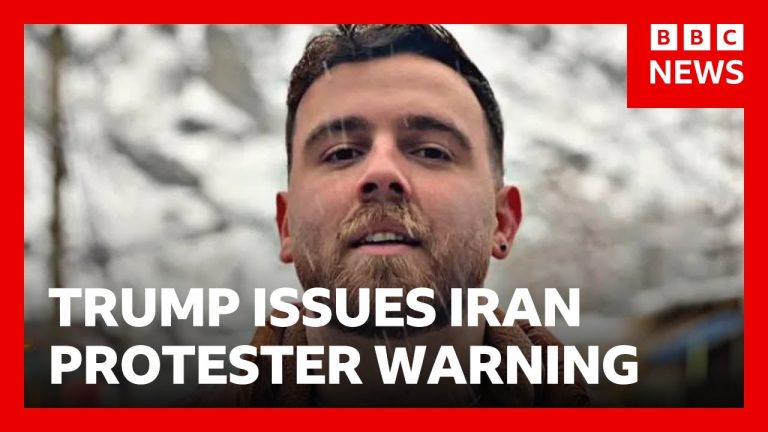

Donald Trump Issues Stark Iran Warning Amid Anti-Government Protester Executions
On January 14, 2026, former U.S. President Donald Trump delivered a forceful warning to Iran’s Tehran regime, threatening “very strong action” if the government proceeds with executing anti-government protesters. This statement, spotlighted in the BBC News headlines, signals a sharp escalation in U.S.-Iran tensions just days into 2026. As Iran continues to face widespread anti-regime unrest, Trump’s rhetoric adds new urgency and uncertainty around the prospects of diplomatic or military intervention, capturing global attention on this critical geopolitical flashpoint.
Understanding Trump’s Iran Warning: Context and Significance
The primary motive behind Trump’s stern warning is to deter the Iranian government from executing protesters detained during ongoing anti-government demonstrations. While specific protester numbers or execution dates remain unconfirmed, the broader unrest throughout Iran represents a significant challenge to the regime’s stability. Trump’s mention of “very strong action” suggests possible military or severe diplomatic consequences if executions go ahead.
This declaration is particularly noteworthy given the fragile geopolitical landscape in the Middle East. It reflects a renewed phase of confrontation between the U.S. and Iran, with potential implications for regional security, energy markets, and global human rights advocacy.
Why Is the Trump Iran Warning Trending Now?
- Renewed Tensions: After a relatively quiet period, Trump’s aggressive rhetoric marks a sudden resurgence of U.S.-Iran confrontation in early 2026.
- Protester Executions: Human rights violations remain a critical concern, with the world closely watching Iran’s handling of anti-government demonstrations.
- Geopolitical Risks: The threat of U.S. military or diplomatic action increases the risk of wider conflict in an already volatile Middle East region.
- Media Attention: Major news outlets like the BBC and Reuters have amplified coverage, elevating global awareness.
The Background: Iran’s Anti-Government Protests and Global Response
Iran has experienced ongoing anti-government protests since late 2025, triggered by socio-political grievances including economic hardships, political repression, and demands for democratic reforms. These protests have often been met with harsh crackdowns and mass arrests.
International observers and human rights organizations consistently report concerns over the Iranian government’s treatment of detainees, including allegations of torture and execution. Trump’s warning highlights growing international frustration and prospects of stronger intervention measures.
For continuous updates on the protests, see the BBC’s Iran protests coverage.
What Could “Very Strong Action” from the U.S. Entail?
Trump’s phrase “very strong action” is deliberately broad, leaving room for multiple interpretations, including:
- Diplomatic Sanctions: Intensified economic sanctions targeting Iranian leadership and entities involved in oppression.
- Military Posturing: Increased deployment or maneuvers in the Persian Gulf region to pressure Tehran.
- Covert Operations: Support for opposition groups or cyber operations to undermine regime control.
- International Coalitions: Working with allies to isolate Iran diplomatically on the global stage.
Each option carries significant risks of escalating tensions or provoking retaliation. Understanding this landscape is crucial for policymakers, analysts, and citizens invested in global stability.
People Also Ask (FAQs) About the Trump Iran Warning
What did Donald Trump say about the protests in Iran?
On January 14, 2026, Trump warned Iran against executing anti-government protesters and promised “very strong action” if such executions proceed, signaling potential U.S. military or diplomatic responses.
Why is the U.S. concerned about protests in Iran?
The U.S. is concerned due to human rights abuses, violent crackdowns, and the risk of regional instability that may arise if Iran intensifies repression of protesters.
Could Trump’s warning lead to war?
While the warning heightens tensions, war is not inevitable. Diplomatic pressures and sanctions are more likely initial steps, but risks of conflict remain if provocations escalate.
How is the world reacting to Iran’s treatment of protesters?
Global reactions include condemnation from human rights groups, sanctions from Western nations, and calls for restraint from the United Nations.
Where can I follow real-time updates on Iran protests?
Trusted sources such as the BBC’s Iran protests coverage and Reuters Middle East news provide reliable ongoing updates.
Key Takeaways: What You Need to Know Now
- Trump’s warning raises the stakes in the U.S.-Iran relationship amid protests and repression in Iran.
- Executions of protesters remain a core human rights concern driving potential U.S. responses.
- The geopolitical ripple effects could impact Middle East stability and global diplomatic dynamics.
- Monitoring official announcements and credible news outlets is essential for accurate and timely information.
Conclusion
Donald Trump’s January 2026 warning to Iran underscores a delicate moment where human rights, geopolitical power plays, and public unrest intersect. The threat of “very strong action” illustrates how the U.S. remains poised to influence the course of events in Tehran as the regime grapples with internal dissent. For geopolitics enthusiasts and policy watchers alike, staying informed on these developments is crucial to understanding potential global shifts and the future of U.S.-Iran relations.
For more on geopolitical developments and U.S. foreign policy, explore our related coverage on Trump’s political history and key political figures in the U.S. for broader context.




0 Comments