


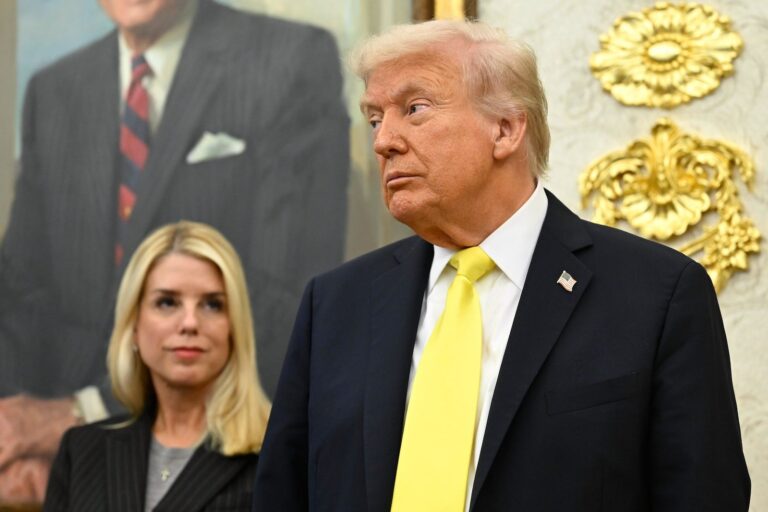

President Trump Calls for Federal Control Over Elections Ahead of 2026 Midterms
In a move that has sparked intense debate and concern across the political spectrum, President Donald Trump has publicly urged Republicans to “nationalize” elections ahead of the 2026 midterm elections. This call for federal oversight aims to ensure “honesty” in voting processes, but it raises serious questions about constitutional authority, election integrity, and the future of American democracy.
Understanding Trump’s Push for Election Federalization
On February 2, 2026, less than a week after an FBI raid on a Fulton County, Georgia, elections facility, Trump made a provocative statement urging the federal government to take control over state election processes. He repeated unsubstantiated claims of a 2020 “landslide” victory with widespread illegal voting, asserting that only federal control can safeguard the election’s integrity.
The Context Behind President Trump’s Calls
Several key events have shaped this stance:
- Following the FBI raid in Georgia, Trump teased “interesting things,” fueling fears and conspiracy theories about widespread election fraud. Yet, investigations and audits confirmed Joe Biden’s victory in Georgia with no evidence of large-scale fraud.
- In January 2026, Trump vowed prosecutions related to 2020 election issues. His Justice Department filed lawsuits against nearly two dozen states over voter rolls, fueling ongoing allegations of voter suppression and fraud.
- He referenced a social media post from August 2025 claiming that some states function as federal “agents” in vote counting, which aligns with concerns about the centralization of electoral authority.
Legal and Constitutional Challenges
Despite his rhetoric, no executive order has yet been signed to officially “nationalize” the elections. A March 2025 order on citizenship verification and mail-in voting was blocked by courts, underscoring the legal complexities of federal overreach in election law.
The Implications of Federalizing Elections
President Trump’s push for federal control over elections raises significant constitutional questions:
- States’ Rights vs. Federal Authority: The U.S. Constitution grants significant authority to states over holding elections, as outlined in the Elections Clause. Federal intervention could violate this principle, leading to a potential constitutional crisis.
- Potential for Political Abuse: Centralizing election power might be exploited for partisan advantage, undermining trust in electoral processes.
- Impact on Democracy: This move could undermine the foundational principles of American democracy—state sovereignty and localized management of voting.
Why This Is Trending and Important Now
The discussion about federalizing elections is gaining traction as the 2026 midterms approach, amid ongoing Justice Department lawsuits and FBI probes. Critics argue that Trump’s rhetoric signals a potential attempt to sway the electoral landscape to favor his faction, raising fears of a constitutional crisis and threats to electoral integrity.
Emotional and Political Responses
Supporters of Trump view his calls as a necessary step to combat voter fraud and restore trust in elections. Conversely, opponents fear that such moves could lead to authoritarian tendencies, voter suppression, and diminished public confidence in democracy.
What Could Happen Next?
The potential consequences of President Trump’s push include:
- Legislative efforts to amend federal election laws for greater control.
- Judicial challenges that could block or uphold federal interventions.
- Deepening partisan divides over election legitimacy and sovereignty.
Key Questions and Considerations
Is Federal Control of Elections Legally Possible?
While some argue that the federal government has limited authority, the Constitution grants states primary responsibility for elections. Any move to federalize would face legal hurdles and constitutional challenges.
Could This Lead to a Constitutional Crisis?
Yes. Sudden or aggressive federalization efforts risk sparking conflicts between federal and state governments, potentially leading to legal battles and constitutional crises.
How Will Voters Be Affected?
Voters could experience changes in voting procedures, access, and trust if elections are centralized. Ensuring transparency and fairness will be key to maintaining confidence.
Summary and Takeaways
President Trump’s call to action for federal control of elections in 2026 signifies a pivotal moment in American political history. While the intent is framed around election integrity, the move raises profound constitutional questions and risks undermining state sovereignty.
As midterms approach, stakeholders must stay informed about legal developments and the implications of increasing federal influence over voting processes.
FAQs
1. Can the federal government legally control elections in states?
Under the U.S. Constitution’s Elections Clause, states have primary authority over elections. Federal control would require legislative changes and face legal challenges.
2. What are the risks of federalizing elections?
Risks include constitutional conflicts, politicization of voting, voter suppression, and potential erosion of public trust in election integrity.
3. How have courts responded to past federal election orders?
Court rulings have often blocked or limited federal intervention, emphasizing state authority and constitutional boundaries.
4. What should voters do to stay informed?
Follow reputable news sources and official election authorities for updates on legal changes and election procedures.
Conclusion
President Trump’s push for a federal takeover of elections ahead of the 2026 midterms underscores a critical debate about democracy’s future in America. While concerns over election security are valid, any move toward federalization must be carefully scrutinized to uphold constitutional principles and public trust. Voters and policymakers alike must monitor these developments closely in the coming months.
For further insights on election integrity and political dynamics, explore our related articles: building a healthy relationship, or ways to attract and connect.




0 Comments