


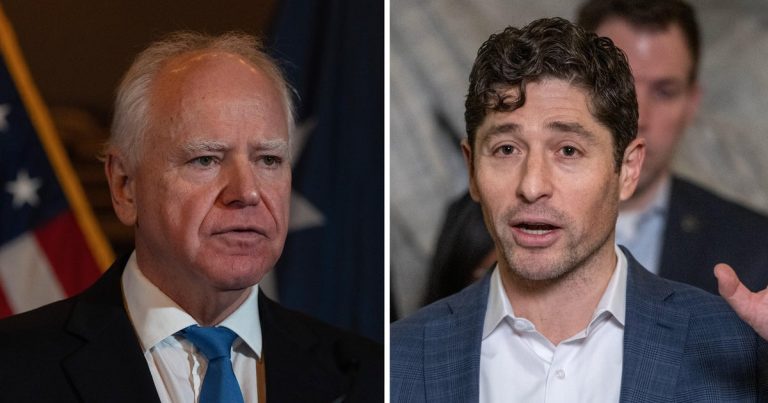

Trump DOJ Investigates Tim Walz and Jacob Frey Over ICE Shooting and Immigration Enforcement Clash
In a major political escalation, the Trump administration’s Department of Justice (DOJ) has launched a criminal investigation into Minnesota Governor Tim Walz and Minneapolis Mayor Jacob Frey. The probe centers on alleged conspiracy to impede federal immigration agents during the Department of Homeland Security’s (DHS) largest immigration operation in Minneapolis in early January 2026. This investigation follows the fatal shooting of a legal observer by an ICE agent, igniting nationwide controversy and raising critical questions about federal-local tensions, rule of law, and political retaliation.
Overview of the DOJ Investigation Into Tim Walz and Jacob Frey
On January 6, 2026, DHS deployed thousands of Immigration and Customs Enforcement (ICE) and Border Patrol agents to the Minneapolis area, initiating the largest immigration enforcement operation in the region’s history. The operation escalated tensions between federal agents and local officials, with Governor Tim Walz and Mayor Jacob Frey vocally criticizing the deployment.
A deadly turning point came the following day when 37-year-old legal observer and mother Renee Nicole Good was fatally shot by ICE agent Jonathan Ross during a heated protest. This tragic incident spurred outrage and intensified scrutiny of the operation’s conduct.
The DOJ’s investigation, announced publicly on January 16, targets Walz and Frey based on their public statements criticizing the federal agents. The probe invokes 18 U.S.C. § 372, a statute addressing conspiracy to prevent federal officers from performing their duties through force, intimidation, or threats. Officials have hinted at potential subpoenas as part of the inquiry.
Key Facts and Timeline
- January 6, 2026: DHS launches major ICE/Border Patrol deployment in Minneapolis-St. Paul.
- January 7, 2026: ICE agent Jonathan Ross shoots and kills Renee Nicole Good during protests.
- January 16, 2026: DOJ announces criminal investigation into Governor Walz and Mayor Frey.
- Legal Basis: Investigation centers on alleged conspiracy under 18 U.S.C. § 372.
- Political Context: Comes days after President Trump’s threats to invoke the Insurrection Act amid escalating immigration enforcement tensions.
Why Are Walz and Frey Being Investigated?
The DOJ alleges that Walz and Frey publicly conspired to hinder federal immigration agents. Specifically:
- Mayor Jacob Frey called ICE agents to “get the f*ck out” and criticized federal support as “bullsh*t.”
- Governor Tim Walz condemned the presence of “armed, masked, undertrained ICE agents,” blaming them for creating “chaos” in the Minneapolis area.
Such statements are now being interpreted by DOJ officials as potentially criminal attempts to intimidate or obstruct federal officers from fulfilling their duties during the enforcement operation.
Reactions From Key Figures and Political Implications
The investigation has ignited fierce responses and highlighted deep political divisions:
- Walz denounced the probe as “weaponizing justice” and “authoritarian,” criticizing the DOJ for ignoring the actual shooter and citing previous Trump administration investigations targeting political opponents.
- Frey called the investigation “intimidation” but pledged to focus on city safety amid protests and clashes.
- South Dakota Governor Kristi Noem condemned Walz and Frey, accusing them of perpetuating violence.
- Democratic leaders including Senators Amy Klobuchar, Elizabeth Warren, and Representatives like Angie Craig slammed the DOJ probe as political retribution and abuse of prosecutorial power.
- Attorney General Pam Bondi
This event underscores a major federal-local showdown, with national attention on the implications for immigration enforcement, justice system independence, and political weaponization.
Understanding 18 U.S.C. § 372: Conspiracy to Prevent Federal Officers from Duties
The statute at the heart of the investigation, 18 U.S.C. § 372, criminalizes conspiracies aimed at preventing, obstructing, or intimidating federal officers from performing their official duties through force, intimidation, or threats.
To trigger this law, the DOJ would need to demonstrate that Walz and Frey knowingly conspired with intent to interfere with federal immigration enforcement, which remains a complex legal threshold — especially when involving public speech and political dissent.
Broader Context: Immigration Enforcement and Political Retaliation
The current investigation takes place amid heightened Trump administration efforts to intensify immigration enforcement, particularly in Democratic-led cities vocally opposing such operations. Critics view the probe as retaliation against political opponents and an erosion of DOJ independence.
- Protests have escalated with clashes between federal agents and demonstrators, who have damaged FBI equipment and vocally resisted.
- Governor Walz and Mayor Frey have publicly urged peaceful protests while condemning federal “chaos.”
- The DOJ inquiry follows Trump’s threats to invoke the Insurrection Act, further raising tension over federal intervention in local governance.
How Will This Investigation Impact Minnesota and National Politics?
This probe could set a precedent on federal authority versus state and local governance autonomy, especially on immigration enforcement and protests. The political stakes are high:
- Heightened distrust between Minnesota’s Democratic leadership and federal agencies under Trump administration.
- Potential chilling effect on elected officials’ public criticism of federal actions.
- Fueling already polarized national debates about immigration, law enforcement accountability, and use of prosecutorial powers.
Frequently Asked Questions (FAQ)
Who are Tim Walz and Jacob Frey?
Tim Walz is the Governor of Minnesota, and Jacob Frey is the Mayor of Minneapolis. Both are Democrats who have publicly opposed federal immigration enforcement actions in their state and city.
Why did the DOJ open a criminal investigation against them?
The DOJ alleges that their public statements criticizing ICE operations potentially amounted to a conspiracy to impede federal officers, violating 18 U.S.C. § 372.
What triggered the investigation?
The investigation follows the deployment of thousands of ICE and Border Patrol agents in Minneapolis in January 2026, including the fatal shooting of legal observer Renee Nicole Good by an ICE agent.
What is 18 U.S.C. § 372?
A federal law that criminalizes conspiracy aimed at preventing or obstructing federal officers from carrying out their lawful duties using threats, force, or intimidation.
What does this mean for federal-local relations?
It represents an escalation in tensions, highlighting conflicts over jurisdiction, immigration enforcement, and political retaliation between the Trump administration and Democratic leaders.
Are there concerns about political motivations behind the probe?
Yes. Many Democrats and civil rights advocates claim the investigation is a misuse of DOJ power aimed at silencing critics and distracting from issues of ICE brutality.
Conclusion: What to Watch Next
The Trump DOJ’s criminal investigation into Governor Tim Walz and Mayor Jacob Frey marks a significant flashpoint in the ongoing struggle over immigration enforcement and federal-local authority. As subpoenas potentially emerge and political rhetoric intensifies, the case will likely influence national debates on civil liberties, government accountability, and the independence of prosecutorial agencies.
For politically engaged readers tracking immigration policy battles and post-2024 election dynamics, understanding this probe provides critical insight into how legal tools might be deployed in broader political conflicts – with consequences for governance, public safety, and democracy itself.
Stay informed through authoritative sources like CBS News, Axios, and Truthout to track new developments.
Actionable Takeaways
- Monitor official DOJ announcements for investigative updates or subpoenas affecting Minnesota leaders.
- Understand 18 U.S.C. § 372 and its application to political speech versus criminal conspiracy.
- Follow local and national protests as they reflect public reactions to immigration enforcement policies.
- Observe responses from bipartisan political figures to gauge shifts in party dynamics and legal norms.




0 Comments