


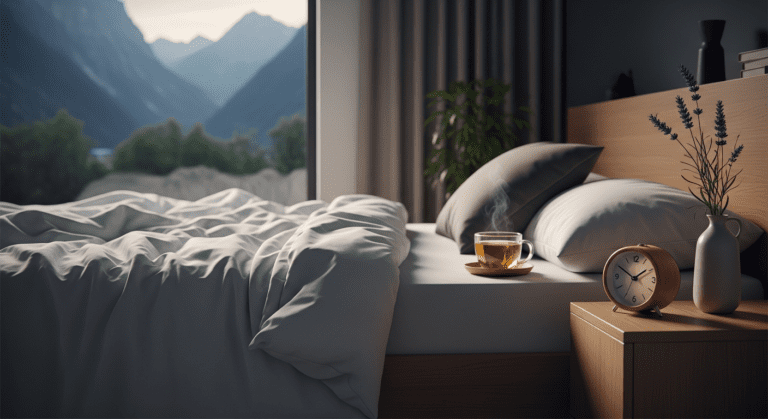

The Ultimate Guide to Natural Sleep Remedies for Adults in Switzerland: Improve Your Sleep Quality
Struggling with insomnia or poor sleep quality? You’re not alone. Many adults in Switzerland face sleep issues due to stress, lifestyle, or environmental factors. Fortunately, there are effective natural sleep remedies that can enhance your sleep quality without medication. In this comprehensive guide, we’ll explore proven strategies, tools, and tips tailored for Swiss adults seeking healthier sleep habits.
Understanding Sleep Challenges Common Among Swiss Adults
Switzerland’s fast-paced lifestyle, high-stress environments, and seasonal changes can disrupt sleep patterns. Common issues include insomnia, delayed sleep phase syndrome, and difficulty falling asleep. Recognizing these challenges helps in choosing targeted remedies to improve sleep naturally.
Top Natural Sleep Remedies for Adults in Switzerland
1. Optimize Your Sleep Environment
- Darkness: Use blackout curtains or eye masks to block out light, especially during long Swiss winters.
- Temperature: Keep your bedroom cool between 16-20°C (61-68°F).
- Noise control: Use white noise machines or earplugs to reduce disruptive sounds.
2. Establish a Consistent Sleep Schedule
Going to bed and waking up at the same times daily helps regulate your circadian rhythm, especially important during Switzerland’s seasonal daylight variations. Aim for 7-9 hours of sleep and stick to your schedule—even on weekends.
3. Leverage Natural Supplements
- Melatonin: Helps regulate the sleep-wake cycle, particularly useful during winter months.
- Magnesium: Supports relaxation and reduces insomnia symptoms.
- Valerian Root: An herbal remedy shown to improve sleep quality.
Always consult with a healthcare professional before adding supplements to your routine.
4. Practice Sleep-Inducing Techniques
- Mindfulness meditation: Reduces stress and calms the mind.
- Progressive muscle relaxation: Relieves physical tension inhibiting sleep.
- Deep breathing exercises: Promotes relaxation and eases anxiety.
5. Improve Daytime Habits
- Avoid caffeine: Limit intake after 2 p.m., especially in regions with long winter nights.
- Limit screen time: Reduce exposure to blue light from devices at least 1 hour before bed.
- Regular physical activity: Engage in moderate exercise early in the day, but avoid vigorous activity close to bedtime.
Understanding the Role of Light and Seasonal Changes in Sleep
Swiss adults experience significant variations in daylight across seasons, impacting melatonin production and sleep quality. Use natural light exposure during the day and minimize evening light to support your circadian rhythm. Consider light therapy lamps if you suffer from seasonal affective disorder (SAD).
Tools and Apps to Enhance Sleep Quality
- Meditation apps: Calm, Headspace
- Sleep trackers: Fitbit, Withings Sleep
- Blue light filters and blackout curtains
Common Mistakes to Avoid for Better Sleep
- Using electronic devices late at night
- Having inconsistent sleep schedules
- Relying solely on sleep aids without addressing underlying habits
- Eating large meals or consuming alcohol before bed
Frequently Asked Questions (FAQs)
Q1: Can herbal teas help improve sleep for adults in Switzerland?
Yes. Natural teas like chamomile, lavender, and passionflower can promote relaxation and aid sleep without side effects.
Q2: How does seasonal affective disorder (SAD) affect sleep, and what remedies help?
SAD can disrupt circadian rhythms, causing insomnia or excessive sleep. Light therapy and maintaining consistent routines can alleviate these symptoms.
Q3: Are natural supplements safe for long-term use?
Most are safe when used appropriately. Consult a healthcare professional to tailor a plan suited to your health needs and avoid interactions.
Q4: How significant is light exposure for sleep regulation?
Light exposure during the day boosts melatonin production at night. In Switzerland, managing light carefully during darker months is crucial for maintaining healthy sleep cycles.
Q5: What lifestyle changes can I make to improve my sleep quality now?
Establish a sleep routine, optimize your bedroom environment, limit screen time, and incorporate relaxation techniques into your evening routine.
Conclusion
Improving sleep quality naturally is achievable through lifestyle adjustments, environmental modifications, and behavioral techniques. Swiss adults can particularly benefit from understanding how seasonal changes and daylight exposure influence sleep. Implementing these evidence-based remedies will help you enjoy better rest, increased energy, and overall improved health.
Actionable Takeaways
- Maintain a consistent sleep schedule, even during Switzerland’s long winters.
- Create a sleep-friendly environment: dark, cool, and quiet.
- Use natural supplements responsibly; consult a healthcare provider.
- Incorporate mindfulness and relaxation practices into your nightly routine.
- Limit blue light exposure and screen time before bed.
For more tips on natural health improvements, visit our Health & Fitness section.




0 Comments