


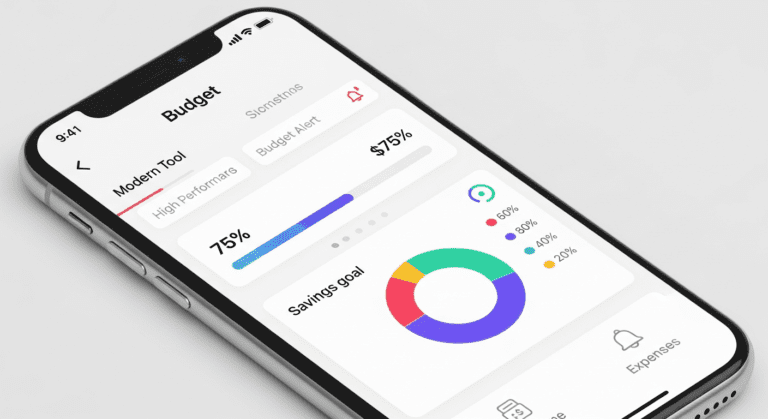

Complete Guide to Creating a High-Performance Personal Budget
Managing your finances effectively is essential for long-term stability and achieving your financial goals. Whether you’re saving for a big purchase, paying off debt, or just trying to get a better handle on your money, understanding how to create a personal budget that works for you is crucial. In this comprehensive guide, we’ll walk you through step-by-step processes, tools, common mistakes to avoid, and tips to help you develop a budget that is sustainable, realistic, and geared towards success.
Understanding the Importance of a Personal Budget
A well-crafted personal budget provides clarity on your income, expenses, and savings. It helps you prioritize your spending, avoid debt, and plan for future financial needs. Without a budget, it’s easy to overspend or neglect savings, leading to stress and financial instability.
Step 1: Assess Your Current Financial Situation
Gather Financial Data
- Collect recent bank statements and pay stubs
- List all sources of income
- Identify all monthly expenses, including bills, subscriptions, and irregular costs
Calculate Your Net Income
Subtract your total expenses from your total income to determine your net savings or deficit. This baseline helps you set realistic goals for your budget.
Tip: Use tools like digital budgeting apps to automate this process.
Step 2: Define Your Financial Goals
Identify both short-term goals (e.g., emergency fund, paying off credit cards) and long-term goals (e.g., retirement, buying a house). Clear goals motivate disciplined spending and saving habits.
Step 3: Categorize Your Expenses
Fixed Expenses
- Rent or mortgage
- Utilities
- Insurance
- Loan repayments
Variable Expenses
- Groceries
- Entertainment
- Dining out
- Clothing
Discretionary & Irregular Expenses
- Travel
- Gifts
- Subscriptions and memberships
Step 4: Create Your Budget Structure
Choose a Budgeting Method
- 50/30/20 Rule: Allocate 50% to needs, 30% to wants, 20% to savings or debt repayment
- Zero-Based Budgeting: Assign every dollar a specific purpose until your income minus expenses equals zero
- Envelope System: Use cash envelopes for variable expenses to control spending
Set Spending Limits
Based on your income and goals, assign realistic limits to each expense category, ensuring your total expenses stay within your income.
Step 5: Implement and Track Your Budget
Use digital tools like budgeting apps or spreadsheets to track expenses weekly.
Regularly review your spending, compare it against your budget, and make adjustments as necessary. Consistency is key to success.
Common Mistakes to Avoid in Budgeting
- Underestimating Expenses: Always anticipate irregular costs like medical bills or car repairs.
- Failing to Track Spending: Manual or app-based tracking helps you stay accountable.
- Setting Unrealistic Goals: Be honest about your income and lifestyle limits.
- Neglecting Emergency Fund: Allocate savings for unforeseen expenses to prevent setbacks.
Tools and Resources for Effective Budgeting
Leverage online platforms such as financial planning tools, mobile apps, and alerts to streamline your budget management.
Actionable Tips to Improve Your Budgeting Skills
- Automate your savings to ensure consistency
- Review your budget monthly to adapt to life changes
- Identify unnecessary expenses and cut back
- Seek advice from financial experts if needed
FAQs About Personal Budgeting
1. How often should I review my budget?
Ideally, review your budget monthly to track progress and make adjustments based on income changes or spending habits.
2. Can I stick to a budget if I have irregular income?
Yes. Use conservative estimates for expenses, and prioritize saving during high-income months to cover lean periods.
3. What are the best tools for creating a personal budget?
Popular options include Mint, YNAB, and simple spreadsheets.
4. How can I save more money with my budget?
Identify non-essential expenses to cut, automate savings, and set clear, measurable goals for your savings efforts.
5. What is the key to maintaining a budget long-term?
Consistency, regular review, and adjusting your budget to reflect changes in income or expenses ensure sustained success.
Conclusion & Key Takeaways
Creating a practical and effective personal budget is essential for financial well-being. Start by assessing your finances, set clear goals, categorize expenses, and choose a suitable budgeting method. Regular monitoring and avoiding common pitfalls will help you stay on track and reach your financial objectives.
Remember, a successful budget is flexible yet disciplined. Use available tools, review your progress monthly, and make adjustments to optimize your financial health. For more advanced strategies on personal finance, explore additional resources such as financial tips and mental clarity approaches.




0 Comments