


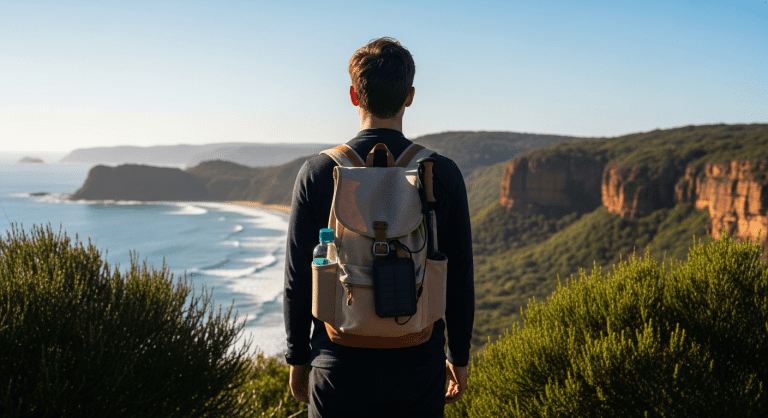

Eco-Friendly Solo Travel Tips for Young Adults in Australia: Sustainable Adventures Made Easy
Solo travel is more popular than ever among young adults in Australia, but today’s travelers want their adventures to make a positive impact. If you’re 23–30 years old and dreaming of an eco-friendly Australian journey, this guide to sustainable solo travel is for you. We’ll cover practical tips, must-know hacks, and actionable steps to help you lower your footprint, experience authentic Australia, and make every adventure count.
Why Choose Eco-Friendly Solo Travel in Australia?
Australia’s breathtaking landscapes, unique wildlife, and vibrant culture make it a dream destination for solo travelers. But with overtourism and climate concerns, it’s critical to travel responsibly.
- Protect delicate ecosystems like the Great Barrier Reef and Daintree Rainforest
- Support local communities and First Nations cultures
- Enhance your personal growth with meaningful, low-impact adventures
For more solo travel inspiration, see our budget-friendly solo travel guide.
Top Eco-Friendly Solo Travel Tips for Young Adults in Australia
1. Choose Sustainable Transport Options
- Opt for trains and buses over domestic flights wherever possible. Australia’s rail networks, like NSW TrainLink and The Ghan, offer scenic, low-impact travel.
- Use city bikes or electric scooters for urban exploration in cities like Melbourne and Brisbane.
- If you rent a car, select a hybrid or fuel-efficient vehicle. Consider carpooling apps (like Coseats).
2. Book Eco-Certified Accommodation
- Look for official eco-certifications such as Ecotourism Australia’s Eco Certification or Green Key.
- Choose hostels, homestays, and hotels that use renewable energy, recycle, and minimize waste.
- Stay in small, locally-run properties or Indigenous-owned lodges for a more authentic experience.
3. Pack Light and Green
- Bring a reusable water bottle—tap water is safe in most places.
- Pack zero-waste gear: a bamboo toothbrush, solid toiletries, and a reusable shopping bag.
- Wear UV-protective, quick-dry clothes that reduce energy use on the road.
For a detailed packing checklist, explore our road trip packing guide.
4. Eat Local, Eat Green
- Visit farmers’ markets and choose plant-based meals to lower your food footprint.
- Reduce single-use plastics by dining in rather than taking food away.
- Support Indigenous bushfood cafes and ethical wildlife experiences. The Australian Ethical guide lists sustainable choices.
5. Be a Respectful Wildlife and Nature Explorer
- Stick to marked trails in national parks and avoid disturbing native habitats.
- Leave no trace—carry out all waste (including biodegradable items like fruit peels).
- Never feed or touch wild animals. Instead, enjoy responsible tours with certified guides.
More on this in our related overview of safe and responsible travel practices.
6. Choose Responsible Tours and Activities
- Book with companies accredited by the Global Sustainable Tourism Council or Ecotourism Australia.
- Opt for smaller group sizes—less environmental impact and more authentic connections.
- Participate in conservation volunteering or citizen science (such as Great Barrier Reef Foundation surveys).
7. Reduce Digital Footprint and Offset Your Emissions
- Charge electronics with a solar charger or during off-peak hours.
- Keep digital backups to avoid unnecessary printing of tickets and itineraries.
- Offset your travel emissions through certified Australian carbon offset programs (carbonpositiveaustralia.org.au).
Interested in digital tools for travelers? Browse our fully optimized travel content tips.
Eco-Adventure Hotspots for Solo Travelers in Australia
- Daintree Rainforest (QLD): Guided Indigenous cultural walks, canopy eco-lodges.
- Tasmanian Wilderness: Low-impact hikes, scenic railways, wildlife sanctuaries.
- Great Ocean Road (VIC): Carpool or use buses, support eco-friendly surf camps.
- Uluru–Kata Tjuta National Park (NT): Join Indigenous-led tours and respect sacred sites.
- Rottnest Island (WA): No car zone, best explored on foot or bike to meet the famous quokkas.
Common Mistakes Solo Travelers Make (and How to Avoid Them)
- Booking big-chain hotels instead of locally owned stays
- Overpacking and carrying single-use plastics
- Ignoring “leave no trace” principles
- Feeding or approaching wild animals
- Missing out on carbon offsetting options
- Choosing high-emission tours like helicopter flights over sustainable alternatives
Quick Table: Eco-Friendly Actions vs. Impact
| Action | Eco-Impact |
|---|---|
| Train travel over planes | Up to 90% fewer emissions |
| Reusable bottles/utensils | Significant waste reduction |
| Stay at eco-lodges | Less water/energy use |
| Plant-based meals | Lower environmental footprint |
| Responsible wildlife tours | Conservation and ethical impact |
FAQ: Eco-Friendly Solo Travel in Australia
What does eco-friendly travel actually mean in Australia?
Eco-friendly travel means making decisions that reduce environmental harm—such as choosing green transport, ethical accommodations, and minimizing waste—while supporting conservation and local Australian communities.
Is solo travel in Australia safe for young adults?
Australia is considered a safe solo travel destination. Use common sense, respect local customs, and follow solo safety tips for the best experience.
How do I find eco-certified accommodations or tours?
Look for certifications like Eco Certification Australia or browse platforms that promote sustainable stays. Reputable tour operators will display their eco-labels openly on their websites.
Are there budget-friendly options for sustainable travel in Australia?
Yes! Many eco-hostels, public transport options, and local markets offer affordable, low-impact ways to travel. Our budget solo travel guide has more tips.
Can I offset my flights or travel emissions easily in Australia?
Absolutely. Use accredited programs like Carbon Positive Australia or airline-based offsets to balance your carbon footprint.
Conclusion: Make Your Solo Adventure Count—For You and the Planet
Eco-friendly solo travel in Australia is not just possible—it’s incredibly rewarding. You protect natural wonders, contribute positively to local communities, and enrich your own experience. Whether you’re hiking the Daintree or exploring vibrant cities, travel mindfully and let your adventures set a green example for others.
- Start small: One sustainable action per trip can inspire lasting change.
- Share your eco-journey—encourage your peers to travel responsibly.
- Always look for new ways to support Australia’s unique environment and cultures.
For more practical travel tips, check out our guides on packing for the road and budget solo travel.




0 Comments