


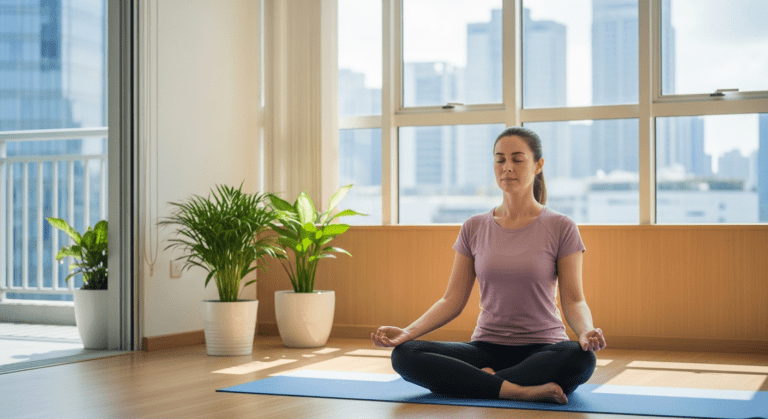

Effective Breathing Techniques to Manage Stress and Enhance Well-Being for Young Adults in Singapore
In today’s fast-paced world, especially for young adults in Singapore, stress can become overwhelming due to academic, career, and social pressures. Fortunately, **breathing techniques** offer a simple, scientific way to manage stress, improve mental clarity, and boost overall well-being. This comprehensive guide explores proven breathing exercises tailored for young adults seeking natural stress relief and mental resilience.
Understanding the Power of Breathing for Stress Management
Breathing is an involuntary process, but consciously controlling your breath can significantly impact your nervous system. **Deep, mindful breathing** activates the parasympathetic nervous system, which promotes relaxation, reduces cortisol levels, and alleviates anxiety. For young adults juggling multiple responsibilities, mastering these techniques can be transformative.
Why Breathing Techniques Are Essential for Young Adults in Singapore
- Stress reduction: Eases anxiety caused by academic pressures or work deadlines.
- Improved focus: Enhances concentration during studies or job tasks.
- Better sleep: Promotes deeper, more restful sleep, combating insomnia.
- Physical health: Lowers blood pressure and improves respiratory function.
Top Breathing Techniques for Stress Relief
1. Diaphragmatic Breathing (Belly Breathing)
This fundamental technique involves deep breathing into your diaphragm, not just shallow chest breaths. It is effective for immediate stress relief and improving lung capacity.
- Find a comfortable seated or lying position.
- Place one hand on your chest and the other on your belly.
- Inhale slowly through your nose for 4-5 seconds, focusing on expanding your belly rather than your chest.
- Exhale gently through your mouth or nose for 6-7 seconds, releasing all tension.
- Repeat for 5-10 minutes, especially during high-stress moments.
2. Box Breathing (Four-Square Breathing)
Popular among athletes and military personnel, this method enhances concentration and calms the mind.
- Inhale through your nose for 4 seconds.
- Hold your breath for 4 seconds.
- Exhale slowly through your mouth for 4 seconds.
- Hold your breath again for 4 seconds.
- Repeat the cycle for 3-5 minutes.
3. 4-7-8 Breathing
Developed by Dr. Andrew Weil, this technique relaxes the nervous system and helps with sleep and anxiety.
- Inhale quietly through your nose for 4 seconds.
- Hold your breath for 7 seconds.
- Exhale completely through your mouth for 8 seconds with a gentle whooshing sound.
- Repeat for 4 cycles initially, increasing gradually.
Integrating Breathing Exercises into Daily Life
To maximize benefits, incorporate these practices into your routine:
- Start your day with 5-minute breathing sessions to set a calm tone.
- Use quick breathing exercises before exams, presentations, or meetings.
- Practice before bedtime to improve sleep quality.
- Combine with mindfulness meditation for enhanced mental clarity.
Common Mistakes and Tips for Effective Practice
- Avoid shallow chest breathing: Focus on diaphragmatic, deep breaths.
- Consistency: Practice daily to build resilience and habit formation.
- Comfort: Find a quiet, comfortable environment to enhance focus.
- Patience: Results take time; be persistent even if immediate effects seem minimal.
Tools & Resources for Better Breathing
Consider using mobile apps like Headspace or Wakeout that provide guided breathing exercises and reminders to stay mindful throughout the day.
Expert Opinions and Scientific Backing
Numerous studies validate the effectiveness of breathing techniques. According to the National Institute of Mental Health, controlled breathing can significantly lower cortisol levels and improve emotional regulation. Mental health experts recommend regular practice for stress resilience, especially in high-pressure environments like Singapore.
FAQs about Breathing Techniques for Stress Management
Q1: How long should I practice breathing exercises daily?
Start with 5–10 minutes per day and gradually increase as you become more comfortable. Regularity is key to seeing benefits.
Q2: Can breathing techniques replace therapy for stress or anxiety?
While effective for managing symptoms, breathing exercises are complementary tools. For severe anxiety or stress disorders, consult a mental health professional.
Q3: Are these techniques suitable for everyone?
Generally yes, but individuals with respiratory issues or medical conditions should consult their healthcare provider before practicing intense breathing exercises.
Q4: How quickly can I expect to feel the effects?
Many notice immediate relaxation after a few minutes, but consistent daily practice leads to long-term stress reduction.
Conclusion
For young adults in Singapore seeking accessible, science-backed stress relief methods, mastering breathing techniques is an invaluable skill. Incorporate diaphragmatic, box, or 4-7-8 breathing into your daily routine to foster calmness, sharpen focus, and enhance overall well-being. Simple, natural, and effective—your breath is a powerful tool for a healthier, more balanced life.
By making these practices part of your lifestyle, you’re taking a proactive step toward better mental health and resilience amidst the challenges of modern life.
Actionable Takeaways
- Practice diaphragmatic breathing for 5 minutes every morning.
- Use box breathing before important exams or meetings for focus.
- Incorporate 4-7-8 breathing before sleep to improve insomnia.
- Download mindfulness apps to stay consistent and guided.
- Combine breathing with other stress management techniques like meditation for enhanced results.
Interested in more holistic wellness tips? Explore our Health & Fitness section or check out our guide on natural gut health for overall vitality.




0 Comments