


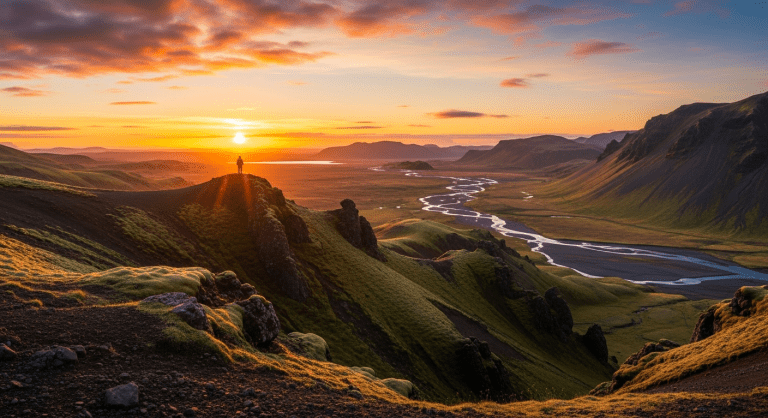

Ultimate Guide to Solo Travel Safety Tips for Young Adults in Iceland
Planning your first solo trip to Iceland? While Iceland is renowned for its stunning landscapes and adventurous spirit, safety is paramount—especially for young adults venturing alone. In this comprehensive guide, you’ll discover essential solo travel safety tips that ensure an unforgettable and secure Icelandic adventure. Whether you’re exploring waterfalls, glaciers, or rugged terrains, these strategies will help you stay safe, confident, and ready for anything.
Understanding the Importance of Solo Travel Safety in Iceland
Solo travel safety is not just about avoiding danger—it’s about empowering yourself to fully enjoy every moment. Iceland’s natural beauty attracts thousands of young adventurers annually, but its remote landscapes and variable weather can pose challenges. Being prepared with proper safety measures reduces risks and enriches your experience. This guide aligns with solo female travel safety tips and applies universally for all young travelers seeking a responsible solo trip.
Pre-Trip Preparations for Safety
Research and Planning
- Study Iceland’s terrain and weather: Know which areas are accessible and which require special gear.
- Plan routes meticulously: Use reliable maps and apps like Maps.me or Waze.
- Share your itinerary with trusted friends or family—include daily plans, emergency contacts, and check-in times.
- Book accommodations in advance in well-reviewed, centrally located places.
Gather Essential Safety Tools
- Travel insurance: Invest in comprehensive coverage detailed for Iceland’s adventure sports and remote areas (check tips here).
- Navigation devices: Carry a GPS-enabled phone and portable charger.
- Emergency kits: Include basic first aid, flashlights, whistles, and multi-tools.
- Local emergency contacts: Save numbers such as 112 (Iceland emergency line) and local guides.
During Your Trip: Staying Safe in Iceland
Navigation and Terrain Safety
When exploring Iceland’s natural wonders, always stick to designated paths and trails. Do not venture into unknown or restricted areas, especially during bad weather. Use GPS apps to avoid getting lost, and keep your phone fully charged. Consider carrying a portable power bank for continuous connectivity.
Weather and Clothing
Iceland’s weather can change rapidly. Always check Iceland’s weather forecast before heading out. Dress in layers, including waterproof and windproof gear, to stay dry and warm. Avoid risky hikes during storms or fog.
Health and Emergency Preparedness
Stay hydrated, and carry snacks and warm drinks on long trips. If feeling unwell, seek immediate medical help—know the location of the nearest clinics. Avoid alcohol while engaging in outdoor activities to stay alert.
Safety in Remote Areas and Outdoor Activities
Many young travelers indulge in activities like glacier hiking or ice caving. Always hire certified guides and use reputable tour operators. Never attempt risky activities alone or without proper gear. Inform your guide of your health status and experience level.
Tips for Avoiding Common Solo Travel Risks
- Stay aware of your surroundings: Avoid distractions like phone overuse in unfamiliar areas.
- Avoid isolated spots: Especially at night or in deserted regions.
- Be cautious with alcohol: It impairs judgment, especially in extreme weather or remote terrains.
- Trust your instincts: If a situation feels unsafe, leave immediately and seek help.
Staying Connected and Informed
Use local SIM cards or portable Wi-Fi devices, available at airports or online, for seamless communication. Join local travel groups or forums for updated safety tips and support. Follow official tourism advisories from Visit Iceland.
People Also Ask (FAQs)
Is Iceland safe for solo female travelers?
Absolutely. Iceland is considered one of the safest destinations worldwide. Still, standard precautions apply—stay vigilant, avoid risky areas at night, and keep your belongings secure.
What are the best safety apps for solo travelers in Iceland?
Apps like What3words, Maps.me, and TravelSafe are invaluable for navigation and emergency contacts.
How should I prepare for Iceland’s weather?
Check weather forecasts daily via Icelandic Meteorological Office. Dress in waterproof layered clothing, carry heat packs, and always have a backup plan.
What safety gear is recommended for outdoor adventures?
Include sturdy hiking boots, helmets for glacier hikes, crampons, and weatherproof gear. Consider renting equipment from certified providers.
Conclusion: Your Safe and Memorable Iceland Adventure
Solo travel in Iceland offers unparalleled beauty and adventure, but prioritizing safety is essential. Preparing thoroughly, staying alert, and respecting nature will ensure your experience is not only breathtaking but also entirely safe. With these tips, you’re empowered to explore confidently and make lifelong memories.
For more insights on travel safety, check out solo travel safety hacks or the ultimate budget travel guide.
Actionable Takeaways
- Research your routes and weather thoroughly
- Invest in proper safety gear and insurance
- Share your plans with someone trustworthy
- Use reliable apps and local resources
- Respect nature and heed local advice




0 Comments