


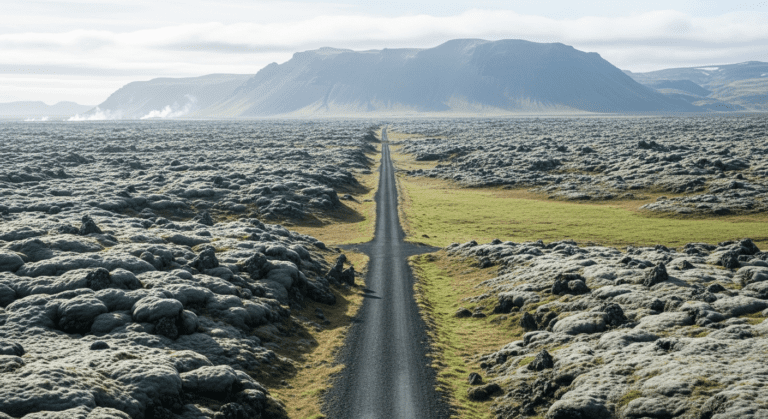

Ultimate Guide to Travel Safety for Solo Female Travelers in Iceland
Planning a solo trip to Iceland as a female traveler? Ensuring your safety while exploring the stunning landscapes, waterfalls, and glaciers is crucial. This comprehensive guide offers proven tips, essential safety gear, and actionable strategies to empower you for a worry-free adventure. Discover how to navigate Iceland confidently, stay secure, and make the most of your journey.
Understanding the Importance of Travel Safety in Iceland
Iceland is renowned for its breathtaking scenery and friendly atmosphere. However, solo female travelers must remain vigilant due to unique risks such as unpredictable weather, remote locations, and wildlife encounters. Proper planning and awareness are vital to enjoy your trip safely and confidently.
Pre-Trip Safety Preparations
Research and Itinerary Planning
Begin by thoroughly researching Iceland’s best travel spots and understanding local customs. Share your detailed itinerary with trusted contacts and include emergency contacts. Use reputable sources like Visit Iceland for current safety advisories and conditions.
Health and Emergency Supplies
- Carry a comprehensive first-aid kit
- Include necessary medications and prescriptions
- Download offline maps and translation apps
- Bring a portable power bank for your devices
Travel Insurance and Emergency Contacts
Invest in reliable travel insurance that covers medical emergencies, cancellations, and theft. Save local emergency numbers: Iceland’s emergency line is 112.
Safety Tips for Exploring Iceland Solo
Stay Connected and Share Your Location
Always inform someone you trust of your whereabouts. Use GPS sharing features on apps like WhatsApp or Google Maps for real-time updates during hikes or remote drives.
Navigating Remote Areas Safely
Many of Iceland’s popular natural sites are in remote regions. Stick to marked trails and avoid venturing into isolated areas alone, especially during low visibility or adverse weather conditions.
Transport Safety
Choose reputable car rental companies, preferably with automatic transmission. Always lock your vehicle and park in well-lit areas. Alternatively, use guided tours for popular attractions to minimize risks.
Accommodation Safety
Select accommodations with good reviews, secure access, and 24/7 reception. Consider staying in centrally located hostels or hotels with thoughtful amenities for solo travelers.
The Best Safety Gear for Icelandic Adventures
- Weather-resistant clothing: Waterproof jackets, thermal layers
- Personal safety alarm: Compact device for alerting others in emergencies
- Headlamp or flashlight: Vital for night exploration or power outages
- Multi-tool and whistle: For practical use and signaling
- Portable water purifier: If you plan outdoor hikes
Common Challenges and How to Overcome Them
Dealing with Weather Changes
Iceland’s weather can shift rapidly. Always check weather forecasts before outings via Icelandic Meteorological Office. Carry rain and wind protection even if forecasts predict clear skies.
Handling Language Barriers
Most Icelanders speak excellent English, but learning a few basic phrases can help. Use language apps to enhance communication and ask for assistance confidently.
Managing Feelings of Isolation
Join local tours or online communities like Solo Travel Enthusiasts for support and companionship when needed.
Final Checklist for Safe Solo Travel in Iceland
- Share your itinerary with trusted contacts
- Secure comprehensive travel insurance
- Prepare safety gear and emergency supplies
- Book accommodations in safe, reputable locations
- Stay connected via GPS and local SIM card
- Respect nature and follow safety advisories
FAQs About Solo Female Travel Safety in Iceland
Is Iceland safe for solo female travelers?
Yes, Iceland is considered one of the safest destinations globally. Nonetheless, taking precautions like staying aware of surroundings and avoiding isolated areas at night enhances safety.
What should I do if I encounter an emergency?
Dial 112 for emergency assistance. Keep your location details ready and follow instructions from authorities.
Are guided tours safer for solo travelers?
Guided tours are often safer, especially in remote or challenging environments. They provide local expertise, safety equipment, and reduce risks associated with navigation and weather.
Conclusion: Travel Confidently, Explore Safely
Traveling solo in Iceland as a woman can be a life-changing experience. Preparation, awareness, and using the right safety tools are key to a secure and enjoyable journey. Remember to respect your surroundings, stay connected, and trust your instincts. With these tips, you’ll confidently embrace Iceland’s natural wonders while prioritizing your safety.
For additional insights, check our solo female travel safety tips and learn how to plan your adventure smartly.




0 Comments