


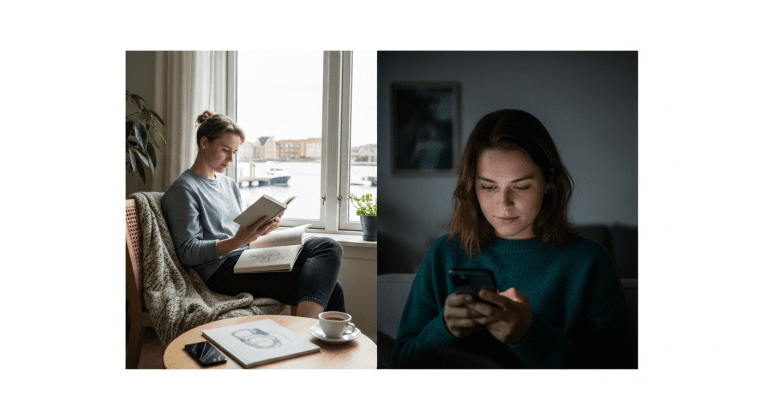

Balanced Social Media Habits: A Guide for 23-30 Year Olds in Denmark
Navigating the digital world isn’t easy—especially for young adults in Denmark aged 23-30. Social media connects us, inspires trends, and keeps us updated. But how much is too much? If you’ve ever found yourself endlessly scrolling or feeling drained after using Instagram, Facebook, or TikTok, you’re not alone. This guide will help you create healthy social media boundaries so you get all the benefits—without losing your peace of mind or productivity.
Why Social Media Balance Matters for Young Adults in Denmark
Denmark ranks high in digital adoption, and its young adults are among Europe’s most connected. Social media balance isn’t just about time; it’s about mental health, productivity, and personal growth. According to Statista, over 90% of Danes between 23-30 use social networks daily. While this keeps you connected, it increases risks of burnout, stress, and anxiety.
- Improved focus at work and study
- Lower stress and information overwhelm
- Quality offline relationships
- Better sleep and mental clarity
- Stronger personal boundaries
Recognizing Unhealthy Social Media Patterns
Are you using social media intentionally, or by default? Signs your habits need a reset include:
- Reaching for your phone the moment you wake up
- Checking notifications every few minutes
- Comparing your life to highlight reels
- Losing track of time spent online
- Feeling FOMO, anxiety, or drained
Main Triggers of Overuse
- Boredom: Using social apps to fill gaps in your day
- Habit loops: Mindless scrolling while commuting, at lunch, or late at night
- Validation seeking: Counting likes/comments for self-worth
Proven Strategies for Healthy Social Media Balance
1. Audit and Understand Your Usage
Begin by tracking how much time you spend on each platform daily. Use built-in features like Screen Time (iOS) or Digital Wellbeing (Android). Note the difference between productive and passive use.
- What content genuinely adds value?
- Which accounts uplift you—and which drain you?
- When and why do you usually log on?
2. Set Intentional Daily Time Limits
Use app-based timers to restrict screen time. Research from Psychology Today suggests that less than one hour/day of intentional use provides positive benefits without the negative effects.
- Start with a max of 1 hour/day
- Block usage before bed and after waking up
- Use “Do Not Disturb” to mute notifications during work or study blocks
3. Curate Your Digital Feed
Unfollow or mute accounts that add stress, create toxic comparison, or don’t align with your goals. Follow creators and pages that inspire, uplift, or educate you.
- Regularly review your follow list
- Join Danish communities that reflect your real-life interests
4. Schedule Regular Digital Detoxes
Plan “off” days (like Social Media Free Sundays) for full digital rest. Even short breaks, like one hour offline for coffee or a walk, refresh your mind. Disconnect to reconnect with yourself and your goals.
- Silent mode or uninstall apps temporarily during holidays or busy periods
- Replace scrolling with hobbies or in-person activities in your city
5. Practice Mindful Engagement
Ask yourself: “Why am I opening this app?” before each session. Post and engage with intention, not just out of habit. Use journaling to track moods and triggers—a daily gratitude practice can boost well-being (see this gratitude guide).
Step-by-Step: Building a Balanced Social Media Routine
- Set a clear intention for your daily social media use. Example: “I’ll check updates for 20 minutes at lunch.”
- Use only one device for social platforms—keeps you focused and accountable.
- Silence non-urgent notifications using Focus modes or app settings.
- Replace one scroll session per day with a walk, reading, or meeting a friend face-to-face.
- Reflect weekly: What worked? Where did you slip? Adjust limits or habits as needed.
Benefits You’ll Feel in a Week
- Deeper real-life connections with family and friends
- More time for hobbies, fitness, or creative pursuits
- Less stress from comparison or “always on” pressure
- Better sleep and mental clarity
For even more ways to simplify your digital life and create healthy routines, check out these minimalist tips and our ultimate morning routine guide.
Comparison Table: Healthy vs. Unhealthy Social Media Habits
| Healthy Habits | Unhealthy Habits |
|---|---|
| Intentional time limits | Endless, mindless scrolling |
| Curated feeds | Following negative or comparison-based accounts |
| Digital detox breaks | Never taking time off |
| Quality engagement | Frequent posting for validation |
| Focus on real-life relationships | Isolation, social withdrawal |
FAQs About Social Media Balance for 23-30 Year Olds in Denmark
How much time on social media is healthy for young adults?
Most studies recommend limiting recreational social media use to around one hour per day. Prioritize quality over quantity for better mental health.
What are simple ways to control my social media usage?
Use built-in phone or app timers, turn off notifications, and plan no-phone periods—especially during meals, study, or before bed.
How can I stop comparing myself to others online?
Curate your feed to follow positive, relatable accounts. Remember, social media is often a highlight reel—not real everyday life. Practice gratitude and self-reflection.
Can digital detoxes really help?
Yes! Even short breaks (a few hours to a day each week) can improve focus, reduce stress, and restore motivation.
Is it helpful to unfollow accounts I don’t relate to?
Absolutely. Unfollowing or muting helps you focus on what uplifts and inspires you, instead of what triggers negative emotions.
Conclusion: Take Control of Your Digital Wellbeing
Finding social media balance isn’t about quitting entirely—it’s about using these tools purposefully to improve your life. Start with a single habit change and build from there. Your mental health and productivity will thank you.
Actionable Takeaways
- Set daily social media goals and limits
- Unfollow or mute draining accounts
- Take regular device-free breaks
- Focus on real-world connections and interests
- Track your progress and celebrate improvements
For more support on digital wellness and personal growth, you might also enjoy these related guides:




0 Comments