


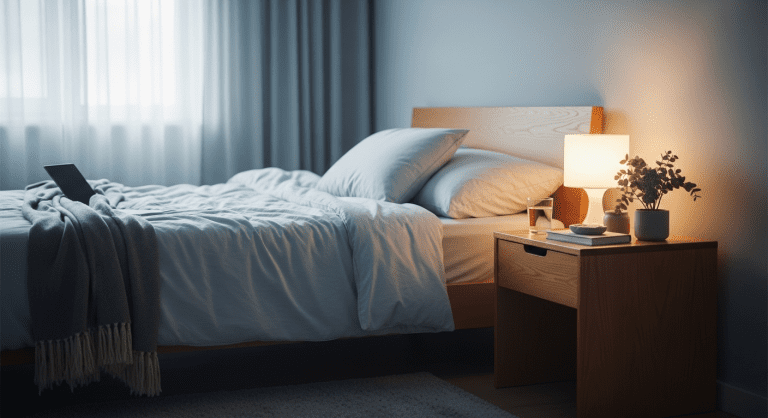

How to Optimize Your Sleep Hygiene: A Step-by-Step Guide for Adults in Denmark
Quality sleep hygiene is crucial for well-being, cognitive function, and mood regulation, yet many adults struggle with insomnia or restless nights. This comprehensive explainer is crafted for 31–40-year-old adults in Denmark, focusing on actionable steps and expert-backed tips to turn your sleep routine into a foundation for lasting health.
Why Sleep Hygiene Matters
- Better sleep boosts your immune system and mental clarity, helping you stay focused and resilient.
- Proper sleep routines reduce stress, improve productivity, and lower your risk of chronic diseases.
- Following sleep hygiene practices supports optimal recovery from daily physical and mental stresses.
Step-by-Step Tutorial: Building Your Sleep Routine
- Set a Consistent Sleep Schedule
Go to bed and wake up at the same time every day, even on weekends. This resets your body’s internal clock for deeper rest.
- Example: Aim for 7–8 hours of sleep each night.
- Create a Sleep-Friendly Environment
Make your bedroom dark, cool, and quiet. Use blackout curtains, noise machines, or earplugs to reduce disruptions.
- Expert tip: Keep your room temperature between 16–19°C for optimal comfort.
- Limit Screens and Stimulants
Power down electronics at least 30 minutes before bedtime. Blue light exposure can interfere with your melatonin production.
- Common pitfall: Checking your phone in bed can delay sleep onset.
- Adopt a Relaxing Pre-Sleep Ritual
Try reading, meditation, or gentle stretching to signal your mind it’s time to wind down.
- Practical example: Five minutes of mindful breathing before bed reduces stress and prepares you for sleep.
- Watch Food and Drink Intake
Avoid heavy meals, caffeine, and alcohol before bedtime. Consider a light snack like a banana or yogurt for a gentle energy boost.
- Expert tip: Herbal teas such as chamomile or valerian root are popular sleep aids in Denmark.
Quick Tips & Tricks
- Take a short walk outside during the day to boost natural light exposure and improve your sleep cycle.
- Use a simple checklist to identify and address your sleep obstacles.
- Experiment with aromatherapy—lavender essential oil can help you relax faster.
- Track your progress using a sleep journal or a wellness app for accountability and goal setting.
Common Pitfalls to Avoid
- Irregular routines: Not sticking to a sleep schedule confuses your internal clock.
- Excessive caffeine: Drinking coffee too late in the day can disrupt your sleep, no matter your tolerance.
- Poor sleep environment: Clutter, noise, or excess light easily sabotage deep sleep.
- Ignoring stress management: Chronic stress keeps you alert and can cause long-term sleep issues.
Expert Insights
- Personalized wellness and sleep optimization are top trends in 2025—adults are prioritizing recovery, sleep hygiene, and holistic health[3][1].
- Denmark’s workplace wellness initiatives increasingly emphasize mental and physical health, making restorative sleep routines a part of daily life[4][10].
- Adding habits like mindfulness, exercise, and balanced nutrition all support deeper sleep and overall healthspan[1][3].
Summary: Achieve Better Sleep for Lifelong Wellness
Optimizing sleep hygiene is one of the most impactful steps you can take for energy, immunity, and mental health. Follow these science-backed strategies to transform your routine, avoid common mistakes, and leverage expert tips for restorative rest. For more actionable advice, read the Sleep Foundation sleep hygiene guide and explore Denmark’s latest wellness trends.


0 Comments