



Fat Loss for 23-30 Year Olds in the USA: Science-Backed Strategies for Sustainable Results
Struggling to lose weight in your 20s? You’re not alone. Fat loss for 23-30 year olds in the USA comes with unique challenges—busy lifestyles, social events, and constant temptation from fast food. But cutting through the noise and following proven, realistic fat loss strategies can help you achieve lasting results without extreme diets or endless cardio.
This guide provides a clear, step-by-step approach to fat loss that works for young American adults, backed by science, designed for modern lifestyles, and optimized for your long-term wellbeing.
Understanding Fat Loss: What Really Works?
Before starting your journey, it’s critical to understand the basics. Fat loss requires a calorie deficit—burning more calories than you consume. But not all calories are equal, and hormones, lifestyle, and stress can influence your results.
- Calorie deficit: Central to every successful fat loss plan
- Macronutrient balance: Protein intake helps preserve muscle while losing fat
- Quality sleep: Lack of sleep increases hunger hormones and hinders recovery
- Consistency: Results come from daily, sustainable habits, not quick fixes
Step-by-Step Fat Loss Strategy for Young Adults
1. Calculate Your Calorie Needs
Use an online calculator or consult a registered dietitian to determine your maintenance calories. Then, subtract 300–500 calories daily for a healthy, sustainable fat loss rate of 0.5–1 pound per week.
- For accuracy, use the NHLBI BMI & Calorie Calculator
- Never go below 1,200 (women) or 1,500 (men) calories without medical supervision
2. Focus on Protein and Fiber
High-protein diets support muscle, reduce appetite, and boost metabolism. Fiber-rich foods—vegetables, beans, whole grains—keep you full and support gut health.
- Aim for at least 0.7-1 gram of protein per pound of body weight
- Fill half your plate with non-starchy vegetables
- Include beans, legumes, and whole grains at most meals
3. Make Exercise a Habit
Both strength training and cardio play crucial roles. Studies show strength training preserves lean muscle, which keeps your metabolism high, while cardio supports heart health and burns extra calories.
- Strength train 2–4 times weekly (focus on compound movements)
- Add 75–150 minutes of moderate-intensity cardio (walking, cycling, swimming)
- Active lifestyle counts: walking, climbing stairs, sports
For a functional approach, see our guide to functional fitness for young adults.
4. Address Sleep and Stress
Sleep and stress are major fat loss barriers. Poor sleep increases hunger, and high stress spikes cortisol, which can promote abdominal fat.
- Shoot for 7–9 hours of high-quality sleep nightly
- Manage stress with mindfulness, breathing techniques, or yoga
- Limit screen time before bed; create a relaxing bedtime ritual
Learn more in our step-by-step meditation for better sleep guide.
5. Avoid Common Fat Loss Mistakes
- Don’t slash calories too low—this slows your metabolism and increases cravings
- Beware fad diets and “detox” teas with no scientific backing
- Don’t obsess over the scale—track measurements, clothes fit, and how you feel
- Plan for social eating—allow flexibility, but control portions and watch alcohol intake
Sample Fat Loss Meal Plan for a Busy American Lifestyle
| Meal | Options |
|---|---|
| Breakfast | Greek yogurt + berries + nuts, or eggs + spinach + whole grain toast |
| Lunch | Grilled chicken or tofu salad with avocado & beans, or turkey sandwich on whole grain |
| Snack | Apple & peanut butter, or hummus & carrot sticks |
| Dinner | Baked salmon, quinoa, and broccoli, or stir-fry with lentils & colorful veggies |
Key Tools and Trackers
- MyFitnessPal or Cronometer: Easy food logging
- Smart watches (e.g., Fitbit, Apple Watch) for step counting & calorie burn
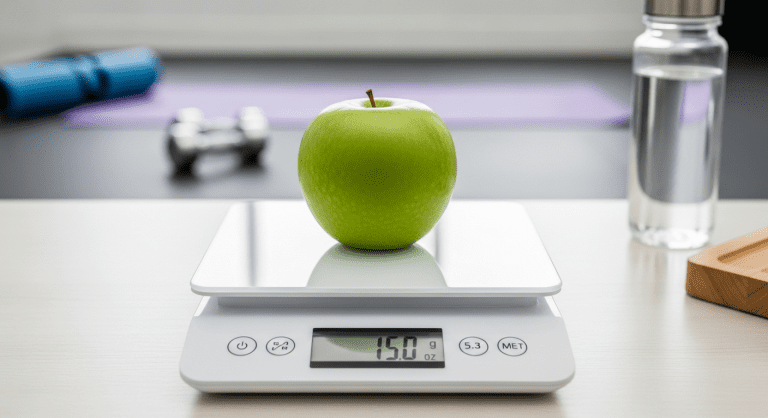
- Kitchen scale for portion control
Science-Backed Tips for Sustainable Fat Loss
- Eat mindfully—avoid distractions, chew slowly, and savor food
- Drink plenty of water—dehydration can mimic hunger
- Limit liquid calories from soda, fancy coffee drinks, and alcohol
- Make gradual changes—swap one habit at a time for lasting success
For hydration tips, visit the CDC guide on water and healthier drinks.
Frequently Asked Questions (FAQ)
How quickly can I lose fat as a 20-something in the USA?
Healthy weight loss is 0.5–1 pound per week. Rapid fat loss often leads to muscle loss and rebound weight gain. Focus on building habits for long-term results.
Is cardio or strength training better for fat loss?
Both help, but strength training preserves muscle mass while you’re in a calorie deficit, which is vital for a faster metabolism. Combine both for best results.
What’s the best diet for fat loss?
There’s no “one size fits all.” The best diet is one you can stick to long-term. Prioritize protein, fiber, whole foods, and create a calorie deficit.
How do I stay motivated when not seeing instant results?
Focus on non-scale victories—energy, productivity, confidence, and how your clothes fit. Consistency is the true key to change.
Can cheat meals ruin my progress?
Occasional indulgence won’t erase hard work. Plan for treats and return to your routine right after. Balance is sustainable, extremes are not.
Are supplements necessary for fat loss?
No supplement can replace a healthy diet and exercise. Some (like protein powder or vitamin D) may support your goals, but focus on food first.
Actionable Takeaways
- Calculate your maintenance and target calories
- Prioritize high-protein and fiber-rich foods
- Make exercise and movement routine
- Support sleep and manage stress
- Track progress beyond the scale
Conclusion: Fat Loss for Life, Not Just for Now
Achieving and maintaining fat loss as a 23-30 year old in the USA is entirely possible with science-backed, realistic habits. Say goodbye to yo-yo dieting and make small changes that add up over time. Remember, your journey is unique—enjoy it, learn from setbacks, and celebrate every milestone.
For related reading, check out our biohacking guide for young adults and how to use meditation for improved sleep. Ready to start? Your best self is waiting.
Internal Links You May Find Useful
- Functional Fitness for Brain Health
- Complete Guide to Biohacking for Young Adults
- Meditation for Better Sleep
For further information, visit CDC’s tips on losing weight and the Harvard Nutrition Source on Healthy Weight.




0 Comments