


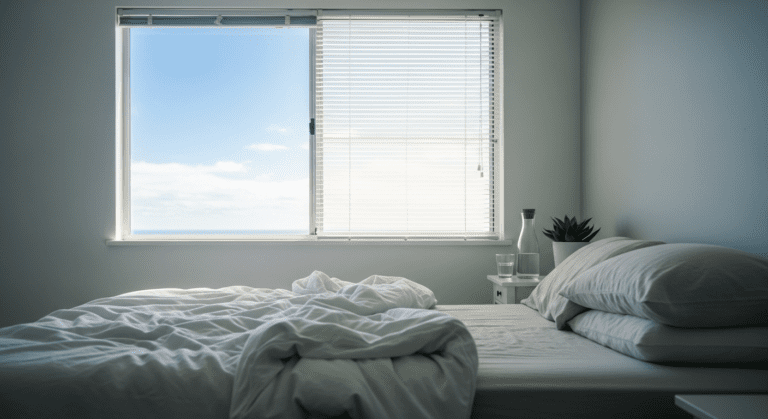

Effective Sleep Hygiene Tips for Adults in Australia: Improve Your Sleep Quality Naturally
Getting a good night’s sleep is essential for overall health, productivity, and well-being. If you’re an adult in Australia struggling with sleep issues, understanding and implementing proper sleep hygiene can make a significant difference. This comprehensive guide provides actionable tips grounded in scientific research to help you improve sleep quality naturally and consistently.
What Is Sleep Hygiene and Why Is It Important?
Sleep hygiene refers to habits and environmental factors that promote restorative sleep. Poor sleep hygiene can lead to difficulties falling asleep, frequent awakenings, and lower sleep quality, impacting mental and physical health. Practicing good sleep hygiene aligns with the latest health standards and enhances the body’s natural sleep-wake cycle.
Top Evidence-Based Sleep Hygiene Tips for Adults in Australia
1. Maintain a Consistent Sleep Schedule
Go to bed and wake up at the same time every day, even on weekends. Consistency reinforces your body’s internal clock, leading to easier sleep onset and more restful sleep. According to research from the Sleep Health Foundation Australia, regular schedules significantly improve sleep quality.
2. Create a Sleep-Friendly Environment
- Keep your bedroom dark, quiet, and cool — ideally between 15-19°C (59-66°F).
- Use blackout curtains or an eye mask to block out light.
- Minimize noise pollution with earplugs or white noise machines.
An environment optimized for sleep can increase sleep efficiency and reduce disturbances.
3. Limit Screen Time Before Bed
Exposure to blue light from smartphones, tablets, and computers suppresses melatonin production, making it harder to fall asleep. Aim to avoid screens for at least 1 hour before bedtime. Instead, engage in relaxing activities like reading a book or gentle stretching.
4. Establish a Relaxing Bedtime Routine
Developing a calming pre-sleep ritual signals your body that it’s time to wind down. Examples include:
- Light stretching or yoga
- Listening to soothing music
- Practicing mindfulness or meditation
This routine helps lower stress hormones and prepares your mind and body for restful sleep.
5. Mind Your Diet and Hydration
- Avoid caffeine and nicotine after midday, as they are stimulants that interfere with sleep.
- Limit alcohol intake, which can disrupt sleep cycles.
- Don’t consume large meals close to bedtime; aim for dinner at least 2-3 hours before sleep.
- Stay adequately hydrated, but minimize fluid intake right before bed to prevent awakenings.
6. Exercise Regularly but Not Before Bed
Engaging in physical activity during the day promotes better sleep, but avoid vigorous exercise within 3 hours of bedtime. Morning or early afternoon workouts are ideal for maximizing sleep benefits.
Addressing Common Sleep Disruptors in Australia
1. Adjusting to Seasonal Changes
Australia’s seasons affect daylight exposure, influencing circadian rhythms. Use natural light during the day and dim lights in the evening to support your biological clock.
2. Managing Stress and Anxiety
Chronic stress can impair sleep. Incorporate stress-reduction techniques such as meditation, breathing exercises, or mindfulness practices to enhance sleep quality.
3. Transitioning to a Sleep Routine After Disruptions
If you’ve experienced jet lag, illness, or travel disruptions, gradually shift your sleep schedule by 15-minute increments each day until you reach your desired times.
Additional Tools and Resources for Better Sleep
- Natural sleep remedies
- Sleep tracking devices or apps can provide insights into sleep patterns and help you adjust habits.
- Consulting with a healthcare professional is recommended for persistent sleep problems.
FAQs on Sleep Hygiene for Adults in Australia
Q1: How long does it take to see improvements in sleep after changing habits?
Most individuals notice improvements within 1-2 weeks of adopting better sleep hygiene practices. For chronic issues, it may take longer and require professional guidance.
Q2: Can sleep hygiene tips help with insomnia?
Yes, good sleep habits can significantly reduce insomnia symptoms, especially when combined with behavioral therapy or medical treatment if needed.
Q3: Is napping beneficial or disruptive to nighttime sleep?
Short naps (<30 minutes) can boost alertness without disrupting night sleep. However, long or late-afternoon naps may interfere with your sleep schedule.
Q4: Are sleep aids necessary for improving sleep hygiene?
Generally, sleep aids should be a last resort. Prioritize behavioral and environmental changes. If needed, consult a healthcare provider for safe pharmacological options.
Conclusion and Key Takeaways
Improving sleep hygiene is a practical, evidence-based approach to achieving better sleep naturally. Focus on maintaining a consistent schedule, creating a sleep-optimized environment, managing stress, and avoiding stimulants before bed. These habits not only enhance sleep quality but also support overall health and well-being in adults living in Australia.
Remember, good sleep is a cornerstone of health. Start implementing these tips today for restful nights and energized days.
For more tips on holistic health and wellness, visit our Health & Fitness section or explore side hustle ideas to improve your financial wellness.




0 Comments