


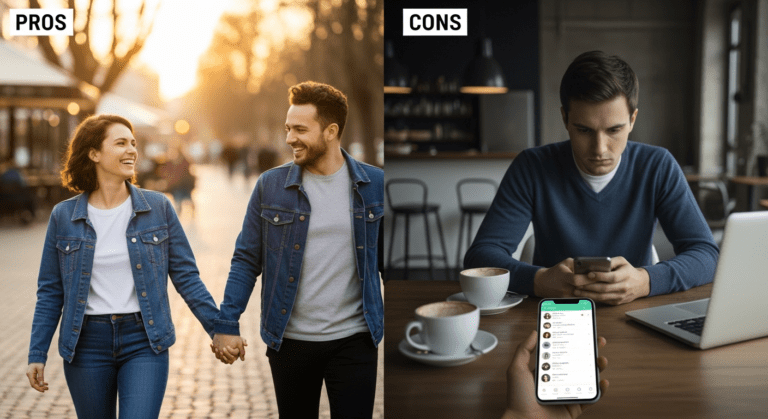

The Pros and Cons of Using Dating Apps: Is Swiping Still Worth It?
In today’s fast-paced digital world, dating apps have become the go-to method for singles seeking love, casual connections, or meaningful relationships. But are these platforms truly the answer to finding your perfect match? Understanding the pros and cons of using dating apps can help you decide whether to continue swiping or explore other avenues. This comprehensive guide dives deep into the benefits and pitfalls of online dating, offering insights based on real-world experiences and data.
What Are the Main Advantages of Dating Apps?
1. Access to a Vast Pool of Singles
One of the most significant pros of dating apps is the ability to connect with a large number of potential matches effortlessly. Platforms like Tinder, Hinge, and Bumble give you access to thousands of profiles, expanding your dating horizons beyond your immediate social circle.
2. Convenience and Flexibility
Dating apps are available 24/7, allowing you to browse profiles or chat whenever you have free time, whether you’re commuting, waiting in line, or relaxing at home. This flexibility suits busy professionals, shy individuals, and those with irregular schedules.
3. Cost-Effective and Time-Saving
Compared to the traditional dating scene, online platforms are more affordable. You can skip costly dinners and outings until you’re sure there’s genuine chemistry, saving both money and time. Plus, features like detailed profiles and messaging enable testing compatibility before investing emotionally or financially.
4. Customizable Matchmaking Features
Modern apps incorporate advanced algorithms to personalize matches based on preferences, interests, and behaviors. For example, detailed profiles with multiple photos and comprehensive bio sections (like Match.com’s 26-photo feature) are appreciated by users seeking serious relationships.
5. Reduced Rejection and Anxiety
Online rejection, such as ghosting, can feel less intense than face-to-face rejection. When messaging is asynchronous, users often experience less shame or embarrassment, encouraging more authentic interactions and increased confidence in initiating contact.
What Are the Downsides of Dating Apps?
1. Paradox of Choice and Overwhelm
With so many profiles available, users often fall into a state of *paralysis by analysis*. This paradox can lead to frustration, unrealistic expectations, and obsession with superficial qualities, making it hard to focus on genuine connections.
2. Misrepresentation and Dishonesty
Many profiles feature edited photos, exaggerated achievements, or false information—sometimes even catfishing. This misrepresentation hampers trust and can lead to disappointment when real-life encounters fall short of online personas.
3. Emphasis on Looks and Superficiality
Algorithms heavily favor appearance, encouraging users to prioritize looks over deeper compatibility factors. Over time, this focus can hinder the development of meaningful relationships, which often thrive on emotional intimacy rather than just physical attraction.
4. Time Consumption and Self-Esteem Issues
Endless swiping and mediocre matches can drain your energy and lower self-esteem. Ghosting, the lack of responses, or repeated rejection can lead to feelings of inadequacy, especially when matches don’t match expectations.
5. Safety Risks and Scams
Online dating carries inherent safety concerns. Scammers, creeps, and catfishers can pose serious risks. It’s essential to stay cautious, verify identities, and meet in safe, public places when transitioning from online to real-world interaction.
Popular Dating Apps and Their Unique Features
| App | Focus | Key Features | Limitations |
|---|---|---|---|
| Tinder | Hookup culture & casual dating | Swiping mechanism, Super Likes, Boosts | Heavy hookup emphasis, competitive environment |
| Hinge | Serious relationships | Detailed profiles, prompts for conversation | Swipes limited to curb addiction; premium features behind paywall |
| Feeld | Niche dating (e.g., open-minded, polyamory) | Inclusive options, anonymity | Smaller user pool, occasional bugs |
| Chispa | Latino singles | Culture-focused profiles, community events | Limited to specific demographics |
Are Dating Apps Suitable for Serious Relationships?
While some apps like Hinge and Match.com cater to users seeking long-term partnerships, the overall experience varies widely. The pros and cons of dating apps for serious relationships depend heavily on user intent, profile honesty, and communication quality.
Many success stories stem from persistent effort on apps that emphasize meaningful conversations and compatibility. However, the casual nature of some platforms can make it harder to find lasting love, especially when superficial qualities dominate interactions.
Top Tips for Navigating the Challenges of Online Dating
- Set clear intentions: Know whether you’re seeking casual or serious dating and choose compatible platforms.
- Create an authentic profile: Use recent photos and truthful information to attract genuine matches.
- Limit your swiping: Use features like Hinge’s restrictions or paid options to avoid burnout and focus on quality connections.
- Practice safety: Never share sensitive personal data and meet in public places.
- Stay patient and realistic: Remember that building a connection takes time, and not every match will lead to love.
Alternatives to Traditional Dating Apps
If online platforms aren’t working or don’t appeal to you, consider these alternative methods:
- Joining hobby-based clubs or classes
- Attending social events or meetups
- Engaging in community volunteering
- Networking through mutual friends
- Using niche dating sites tailored to specific interests
FAQs: Pros and Cons of Using Dating Apps
1. Do dating apps help find long-term love?
Yes, but success depends on choosing the right platform, genuine profiles, and ongoing effort. Apps like serious-oriented apps provide better odds for lasting relationships.
2. Are dating apps worth the time and effort?
They can be, especially if you set clear goals and avoid getting overwhelmed by options. Managing expectations and focusing on quality interactions lead to better outcomes.
3. How can I stay safe while online dating?
Always verify profiles, meet in public, share limited personal info initially, and trust your instincts. External resources like Pew Research offer additional safety tips.
4. Why do some people get ghosted after matching?
Common reasons include losing interest, feeling overwhelmed, or encountering scammers. Focusing on honest communication and not taking it personally can help maintain perspective.
5. What are better alternatives to Tinder for genuine dating?
Platforms like Match, Hinge, or niche sites for specific interests often yield more sincere connections.
Conclusion: Is Swiping Worth It?
The debate over the pros and cons of using dating apps boils down to your personal goals, expectations, and safety measures. While these platforms offer unmatched convenience and access, they also come with challenges like superficiality, scams, and emotional exhaustion. To maximize your chances of success, be strategic—opt for honest profiles, set clear intentions, and diversify your approach to meet potential partners.
Remember, online dating is just one of many ways to find love. Combining digital efforts with real-world interactions—like joining clubs or social events—can enhance your chances of forming genuine, lasting relationships.
Interested in improving your dating strategy? Check out our dating tips to boost your confidence and results.
Actionable Takeaway: Use dating apps as tools to enhance your social life but don’t rely solely on them. Balance online efforts with offline activities for a holistic approach to finding love.




0 Comments