


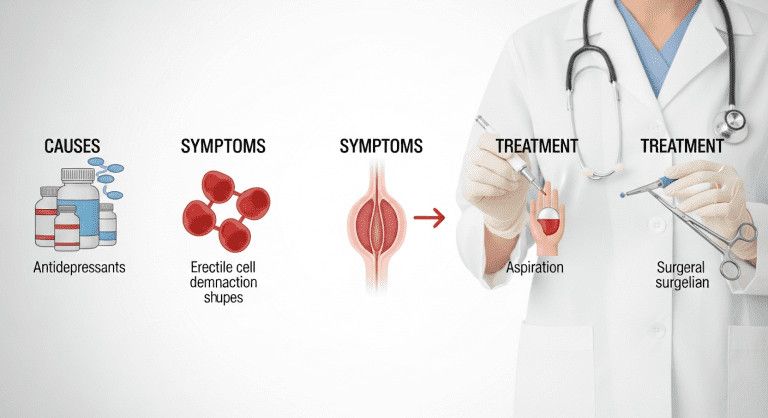

Understanding Priapism: Causes, Symptoms, and Effective Treatment Options
Priapism is a medical condition characterized by an involuntary and prolonged erection lasting more than four hours, unrelated to sexual activity. Though often misunderstood, early intervention is critical to prevent long-term damage. In this comprehensive guide, you’ll learn about the causes, symptoms, and every available treatment option for priapism, helping you make informed decisions about this urological emergency.
What Is Priapism? An Introduction to the Condition
Priapism is a persistent, often painful, penile erection that lasts longer than four hours without sexual stimulation. It affects men of all ages but is most common among adolescents and young adults. If untreated, it can lead to tissue damage and permanent erectile dysfunction. Recognizing the symptoms early and understanding the causes are key steps toward effective management.
Causes of Priapism: Why Does It Happen?
The causes of priapism can be broadly categorized into medication-related, underlying health conditions, and trauma. Understanding these causes helps in early detection and tailored treatment.
Common Causes of Priapism
- Medications: Certain drugs such as erectile dysfunction medications (e.g., sildenafil), antidepressants, and blood thinners can trigger priapism.
- Blood disorders: Conditions like sickle cell anemia, leukemia, or thalassemia increase blood viscosity, leading to blood trapping in the penis.
- Trauma: Injury to the pelvic or genital area can disrupt blood flow, causing priapism.
- Other causes: Multiple sclerosis, infections, or toxin exposure.
Symptoms and Diagnosis of Priapism
Recognizing symptoms early is crucial to prevent severe complications. The hallmark sign of priapism is an erection that persists beyond four hours, often accompanied by pain or discomfort. Diagnosis is typically straightforward and involves a combination of medical history, physical examination, and sometimes blood tests or ultrasound to determine blood flow and tissue health.
Immediate Treatment Options for Priapism
Prompt medical attention can prevent permanent damage. Treatment usually depends on the type of priapism and its severity.
Types of Priapism
- The more common and serious type, characterized by little or no blood flow out of the penis, requiring urgent intervention.
- Non-ischemic (high-flow) priapism: Usually less painful, caused by uncontrolled arterial blood flow, often resolves on its own or with minor procedures.
Emergency Treatments
- Aspirations: Using a sterile needle and syringe, the doctor drains the trapped blood from the corpus cavernosum to relieve pressure.
- Medications: Intracavernosal injections of sympathomimetic agents like phenylephrine can constrict blood vessels to reduce the erection.
- Surgical intervention: In persistent cases, surgical shunts may be necessary to redirect blood flow.
Long-term Management and Prevention
Addressing underlying causes is vital for preventing recurrence. For example, managing blood disorders like sickle cell disease can reduce episodes of priapism. Adjusting or discontinuing certain medications under doctor supervision can also be helpful. Lifestyle changes, such as avoiding drugs that trigger priapism, are recommended.
When to See a Doctor
If you experience an erection lasting more than four hours, seek emergency medical care immediately. Delaying treatment increases the risk of tissue damage and impotency. Do not attempt to self-treat or ignore persistent symptoms.
Frequently Asked Questions (FAQs) About Priapism
1. Can priapism cause permanent erectile dysfunction?
Yes, if not treated promptly, prolonged priapism can damage penile tissue, leading to lasting erectile problems.
2. Are there any home remedies for priapism?
No, priapism is a medical emergency. Seek immediate professional medical assistance rather than attempting home treatments.
3. Is priapism common among young men?
While less common than in older men, priapism can affect young men, especially those with blood disorders like sickle cell anemia.
4. What medications are used to treat priapism?
Drugs like phenylephrine injected directly into the penis are standard emergency treatments. In some cases, oral medications or surgery are recommended.
5. Can priapism recur?
Yes, especially if underlying causes are not managed. Proper medical follow-up helps in preventing future episodes.
Expert Advice and Tips for Managing Priapism
If you’re prone to priapism due to medical conditions or medication use, discuss preventive strategies with your healthcare provider. Regular check-ups, managing blood disorders, and cautious use of erectile medications can reduce risk. If your symptoms persist or recur frequently, a specialist in urology should evaluate your condition for tailored treatment plans.
Conclusion: Take Action Quickly to Protect Your Health
Priapism demands swift medical intervention to prevent long-lasting damage. Recognizing early symptoms, understanding causes, and knowing the immediate treatment options are critical. Always seek emergency care if you experience an erection lasting longer than four hours. With proper management and medical guidance, most men recover fully without permanent damage.
Additional Resources
Learn more about urological health from trusted sources like Urology Health Foundation or consult a qualified healthcare professional for personalized advice.




0 Comments