


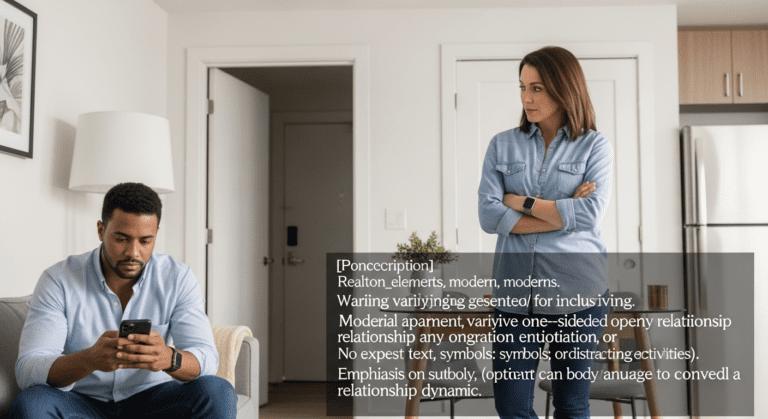

Understanding One-Sided Open Relationships: Risks, Red Flags, and How to Handle Jealousy
In today’s evolving landscape of modern love, some couples explore unconventional arrangements like one-sided open relationships. While this setup can offer excitement and freedom for one partner, it often comes with complex emotional challenges, trust issues, and red flags. If you’re considering or currently experiencing this dynamic, understanding its intricacies is vital for your emotional well-being and relationship health.
What Is a One-Sided Open Relationship?
A one-sided open relationship is a form of non-monogamy where only one partner explores romantic or sexual connections outside the primary relationship, while the other remains strictly committed and monogamous. Unlike balanced open relationships or polyamory, this setup typically masks underlying selfishness, possessiveness, or insecurities.
This dynamic often manifests as a hybrid—one partner indulges in casual flings or emotional connections, while the other faces restrictions or outright bans on their interactions outside the relationship. Examples include the so-called “one penis policy,” where one partner allows their partner to enjoy girl-on-girl fun but forbids male partners, or situations where one partner’s needs are prioritized at the expense of the other’s feelings.
Why Do People Enter One-Sided Open Relationships?
- Desire for new relationship energy and excitement
- Longing for variety in sexual or emotional partners
- Fear of losing independence or enjoying freedom
- Attempts to satisfy unfulfilled needs without ending the relationship
- Insecurity or jealousy masked as “trust” or “freedom”
Red Flags and Warning Signs of One-Sided Non-Monogamy
While some couples navigate non-monogamous relationships healthily, red flags often indicate underlying problems, especially in one-sided setups. Watch for:
- Disparity in emotional investment: One partner continuously sacrifices while the other benefits
- Lack of transparency: Secrets, hidden dating profiles, or vague communication
- Manipulative behavior: Partner pressure, guilt-tripping, or gaslighting
- Jealousy and possessiveness: The “protected” partner feeling entitled or superior
- Inconsistent boundaries: Blurred lines and unmet agreements about outside interactions
For example, a common scenario involves a wife jetting off on dates while her husband stays home, feeling sidelined and resentful. In some cases, one partner’s past experiences—like cheating traumas—can influence the dynamics and lead to further mistrust or manipulation.
How to Handle Jealousy in One-Sided Open Relationships
Jealousy is a natural emotion but can become destructive if not managed well. Here are actionable steps:
- Open communication: Honestly discuss boundaries, expectations, and feelings.
- Set clear rules: Agree on what is and isn’t acceptable, and revisit these regularly.
- Prioritize transparency: Share details about outside interactions to build trust.
- Reflect on insecurities: Address personal fears or jealousy triggers through self-awareness or therapy.
- Consider the relationship’s fairness: Are both partners gaining emotional fulfillment? If not, reassess the arrangement.
Is a One-Sided Open Relationship Healthy?
Generally, a healthy open relationship should be based on mutual respect, transparency, and fairness. If one partner sacrifices their happiness, feels pressured, or the relationship feels imbalanced, red flags appear. It’s crucial to evaluate whether such arrangements serve both partners or mask deeper issues like insecurity or manipulation.
Studies suggest that open relationships with a foundation of mutual trust tend to report lower jealousy and higher satisfaction, but only when both partners agree on boundaries and maintain honesty. In contrast, coercive or one-sided setups often lead to resentment or emotional trauma.
Key Tips for Navigating One-Sided Open Relationships
- Demand transparency: Transparency is vital for trust and fairness.
- Establish mutual goals: Discuss long-term visions and whether this dynamic aligns with both partners’ happiness.
- Know when to walk away: Recognize signs of manipulation, exploitation, or emotional abuse, and prioritize your well-being.
- Seek external support: Therapy or couples counseling can help navigate complex feelings and find healthy boundaries.
- Prioritize self-awareness: Understand your feelings of jealousy, possessiveness, or resentment to address underlying insecurities.
Conclusion: Is a One-Sided Open Relationship Right for You?
While some couples find that one-sided open relationships can add excitement or meet specific needs, they often come with significant emotional risks. Recognizing red flags, maintaining open communication, and prioritizing fairness are essential for avoiding harm. Always remember: healthy relationships rely on mutual respect, honesty, and emotional balance.
FAQs about One-Sided Open Relationships
Is a one-sided open relationship sustainable long-term?
It can be, but only if both partners are honest about their feelings, and there’s mutual agreement and respect. Otherwise, resentment and unfairness tend to build over time.
What are common signs my partner is insecure or manipulative in this setup?
Signs include secrecy, guilt-tripping, imposing strict rules, or making you feel guilty for having outside connections. Trust your intuition and seek help if needed.
How can I protect myself emotionally in a one-sided open relationship?
Set firm boundaries, communicate openly, seek external support, and prioritize your mental health. If imbalance persists or you’re feeling hurt, consider ending the relationship or redefining its terms.
Are there healthier alternatives to one-sided open relationships?
Yes. Mutual open relationships or polyamory where both partners explore outside connections with consent tend to be healthier when based on equality and transparency.
Where can I learn more about relationship structures and red flags?
Check out Red Flags in Polyamory: One-Sided Polyamory and Psychology Today: Do Open Relationships Work? for in-depth insights.
Summary & Actionable Takeaways
- Be wary of imbalanced relationships where one partner sacrifices too much.
- Prioritize transparency and honest communication.
- Recognize red flags such as secrecy, manipulation, or emotional neglect.
- Address jealousy constructively through self-awareness and dialogue.
- If fairness and respect are absent, consider redefining or ending the relationship.
Remember, the foundation of any healthy relationship—monogamous or non-monogamous—is mutual respect, honesty, and emotional safety. For more tips on building a lasting, healthy relationship, explore our comprehensive guides or seek professional guidance.




0 Comments