


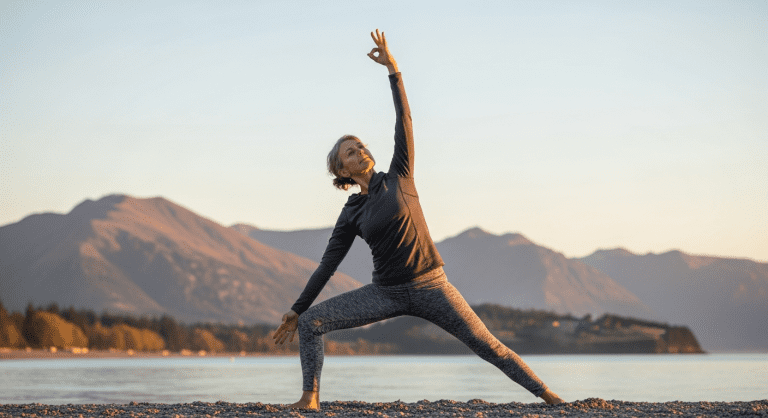

Longevity Secrets for 51-60 Year Olds in New Zealand: How to Age Gracefully and Stay Healthy Naturally
Are you in your 50s and looking for ways to boost your health, vitality, and live longer in New Zealand? The good news: you don’t have to rely on fads or extreme diets. By following evidence-based longevity tips tailored for older adults, you can improve quality of life, stay independent, and enjoy every chapter ahead.
Why Longevity Matters Most at 51-60: The Turning Point
Your 50s and early 60s are a pivotal time for health. Age-related changes accelerate, but it’s never too late to start healthy habits—and New Zealand’s unique lifestyle offers a major advantage. Longevity means more than just adding years to life; it’s about adding life to your years!
- Reduces risk of chronic diseases—like heart issues, diabetes, and some cancers (source: NZ Ministry of Health)
- Keeps your mind sharp and memory strong
- Preserves independence and mobility
- Lets you enjoy grandchildren, travel, and hobbies long into retirement
Primary Longevity Habits for New Zealanders 51-60
The following evidence-based strategies are proven to promote longer, healthier living, especially for older Kiwis.
1. Prioritize Daily Movement (Even Light!
- Walk briskly for 30+ minutes most days
- Try low-impact activities like cycling, tai chi, or gentle swimming
- Include strength training (resistance bands or light weights) 2x/week to protect muscle and bones
Bonus: New Zealand’s spectacular outdoors makes movement enjoyable. Try hiking, gardening, or even beach strolls to combine activity with mental refreshment.
2. Eat for Vitality, Not Restriction
- Base your diet around vegetables, whole grains, legumes, fruit, and healthy fats (olive oil, avocado, nuts)
- Enjoy lean protein (fish, legumes, eggs) to support muscle and keep you full
- Limit highly processed foods, refined sugar, and saturated fats
- Go easy on salt—read labels and cook more at home to manage blood pressure
Local tip: Incorporate New Zealand’s fresh, seasonal produce and sustainable seafood for optimal nutrition.
3. Stay Socially Connected
- Regularly catch up with friends and family—loneliness hurts longevity
- Join community groups, classes, or volunteering (e.g., gardening clubs, Maori cultural groups)
- Pursue hobbies that involve social interaction
Social support is a powerful longevity factor (NZ Ministry of Health: Social Support).
4. Sleep: The Overlooked Longevity Pillar
- Create a relaxing pre-bed routine (dim lights, no screens, soothing herbal tea)
- Aim for 7-8 hours—quality counts as much as quantity
- Consult your GP if you have persistent sleep issues or snoring (possible apnea)
Good sleep repairs the body, supports the immune system, and protects brain health.
5. Practice Regular Health Screenings
- Keep up with annual check-ups, blood pressure, cholesterol, and diabetes screening
- Get recommended cancer screenings (bowel, breast, prostate) as advised by your GP
- Discuss any new symptoms early—prevention is key!
Did you know? Early detection sharply boosts successful treatment odds in your 50s and 60s.
Optimize Mental & Emotional Well-being
1. Manage Stress Mindfully
- Use proven techniques: meditation, yoga, guided deep breathing
- Spend time in nature—proven to reduce blood pressure and cortisol
- Limit negative news and social media exposure when possible
Want a step-by-step meditation guide? See: Meditation for Better Sleep: Step-by-Step
2. Keep Your Brain Active
- Read new books, do crosswords, or learn a hobby
- Try music, language learning, or simple number puzzles
- Stay socially engaged—conversation triggers vital cognitive stimulation
For more on brain fitness, check out Boost Brain Health After 40: Ultimate Guide
Supplements & Herbal Remedies: Smart or Hype?
While marketing claims abound, the best evidence for longevity comes from whole foods. However—speak with your healthcare provider about possible needs for:
- Vitamin D (especially in NZ’s winter months or low sun exposure)
- Calcium (bone health)
- B12 (especially if you follow a vegetarian diet)
Some plant-based remedies (like turmeric or elderberry) have promising data, but quality varies. Always use reputable brands.
Avoid These Common Longevity Mistakes
- Ignoring mental health—depression and loneliness undermine immune health
- Neglecting dental checks—gum disease is linked to heart trouble
- Relying only on “superfoods” while ignoring overall diet
- Thinking it’s “too late” to start—every positive choice counts!
Comparison Table: Top Lifestyle Changes for Longevity at 51-60 in NZ
| Lifestyle Change | Impact on Longevity | How to Start |
|---|---|---|
| Move Daily | Reduces chronic disease risk by 30-50% | 30 min walk, strength sessions, try new group sport |
| Eat Whole Foods | Maintains weight, protects heart & brain | Swap processed snacks for fruit, add veggies to every meal |
| Social Engagement | Slows cognitive decline, boosts happiness | Plan weekly catch-ups, join a club, volunteer locally |
| Quality Sleep | Immune function, memory, mood | Set a routine, reduce caffeine & screens before bed |
| Routine Check-ups | Early disease detection, better outcomes | See GP annually, don’t ignore new symptoms |
Frequently Asked Questions (FAQs)
What are the most important daily habits for longevity in your 50s and 60s?
Moving regularly, eating a balanced diet high in plant foods, sleeping well, and staying socially connected make the biggest long-term difference.
Are there “superfoods” that extend your life?
While foods like berries, nuts, and oily fish are great for health, no single food is magic. The overall quality and diversity of your diet matters most.
Can you really slow aging after 50?
Yes. While you can’t stop time, adopting healthy habits in your 50s and 60s greatly reduces disease risk and keeps you energetic and independent much longer.
How does mental health affect longevity?
Chronic stress, sadness, or loneliness increase inflammation and disease risk. Prioritizing emotional well-being, social life, and stress management are key longevity factors.
Should older adults take supplements for longevity?
Only if recommended by your doctor, based on real deficiency. Focus on a whole food diet as your foundation, supplementing thoughtfully if needed (e.g., vitamin D, B12).
Conclusion: Start Small, Stay Consistent—Your Health Journey Is Lifelong
You can influence how you age. The choices you make in your 50s and 60s set the foundation for more independent, vibrant decades ahead. Start with a small step today: enjoy a walk, call a friend, or swap one snack for a healthier option. Remember, it’s consistency—over perfection—that builds lasting health.
For more specialized guides, see our evidence-based posts:
- 10 Natural Ways to Improve Sleep Quality
- Natural Cognitive Biohacking After 40
- Preventive Wellness for Longevity
- Step-by-Step Meditation for Sleep
- Fat Loss After 40: Complete Guide
Looking after yourself now is the ultimate investment into your future.




0 Comments