


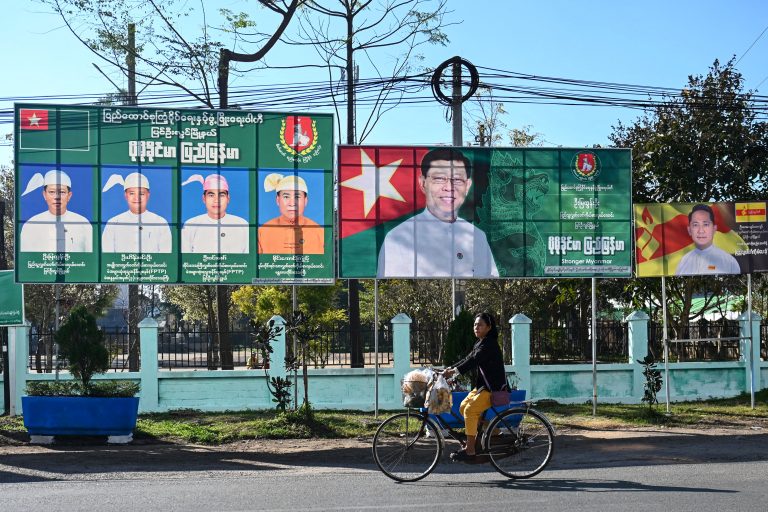

Myanmar December 2025 Elections: What’s Really Happening and Why the World Is Watching
Myanmar’s December 2025 elections have become a global focal point. Observers, activists, and journalists are closely tracking the unfolding events, questioning the legitimacy of the vote and what it means for the country’s future. This guide provides everything you need to know for a deep, up-to-date understanding, including the context, controversies, and critical facts shaping Myanmar’s political crisis.
Quick Summary: Myanmar Elections December 2025
- Date: First phase launched December 28, 2025
- Key Figure: Senior General Min Aung Hlaing (military junta leader)
- Purpose: “Transition to civilian rule” (military version)
- Skepticism: Critics claim the vote is designed to solidify military control
- Opposition: National League for Democracy (NLD) dissolved; elections opposed by large segments of the population
Why Are Myanmar’s Elections So Controversial?
Since the 2021 coup, Myanmar’s military junta has been in power, detaining elected leaders, and violently suppressing dissent. The new elections were postponed multiple times and finally initiated on December 28, 2025—but under highly contentious circumstances.
- Widespread Civil War: About 40% of Myanmar is controlled by resistance groups, not the military government.
- Massive Casualties: Over 90,000 deaths have been reported in the ongoing violence.
- Strict Candidate Vetting: Only six parties are allowed to run, after meeting severe eligibility criteria.
- Crackdown on Opposition: The military dissolved the popular National League for Democracy (NLD), and at least 64 people have been prosecuted under an Election Protection Law that criminalizes resistance with penalties up to death.
- International Outcry: Democracy advocates and humanitarian organizations claim the poll is neither free nor fair (Human Rights Watch).
How Are the 2025 Elections Structured?
The elections are designed to take place in three phases, focusing first on areas under firm military control such as Yangon, Mandalay, and Naypyidaw. Large regions controlled by resistance forces are effectively excluded.
- Announcement: Proposed by the junta in January 2025.
- First Voting Phase: December 28, 2025, focused on military-held urban zones.
- Subsequent Phases: Pending, with access to conflict areas still deeply uncertain.
Due to these limitations, observers argue that the elections lack inclusivity and legitimacy.
Who Can Run—and Who Can’t?
Military regulations have choked the field of competitors. Only six parties cleared the junta’s new strict eligibility requirements. Popular opposition groups have been banned or forced underground.
- NLD (National League for Democracy): The dissolved party of Aung San Suu Kyi, barred from participation.
- Resistance-Aligned Groups: Excluded and actively targeted by security crackdowns.
- Pro-military parties: The only ones left with nationwide organizational ability.
What Is the Election Protection Law?
In July 2025, the junta passed the Election Protection Law—making it a capital offense to disrupt or oppose the elections. So far, at least 64 people have been prosecuted under this regulation, according to the latest Amnesty International reports.
Why Does This Election Matter?
The election is widely dismissed by Myanmar’s opposition and international observers as a tool to reinforce military authority and attempt to legitimize the 2021 coup. The United Nations and regional powers have called for an inclusive political dialogue—yet, the military’s refusal to compromise and ongoing conflict make that nearly impossible.
Potential Consequences of the Election
- Weakening of opposition movements due to legal and military pressure.
- Perpetuation of civil war by fueling public distrust and frustration.
- International sanctions and humanitarian isolation could intensify.
The Human Cost: Civil War & Humanitarian Crisis
The Myanmar civil war has already cost over 90,000 lives and displaced millions.
As the elections proceed with limited inclusiveness and rampant violence, humanitarian organizations warn that conditions will worsen for ordinary Myanmar citizens.
- 40% of the country remains out of ballot access due to resistance control
- Militarized zones see strict communication and media crackdowns
- Ongoing internal displacement threatens basic access to food, shelter, and health
For comparison, read about other crisis-affected elections around the world:
major news events of December 2025.
What Do International Experts & Human Rights Groups Say?
Major global watchdogs, such as Amnesty International and the Human Rights Watch, have strongly criticized the process as deeply flawed. The UN Special Rapporteur on Myanmar called for international intervention to address political prisoners and end systematic abuses.
- Elections not seen as a real path to peace or democracy
- Calls for humanitarian corridors and international monitoring
- Sanctions against individual junta leaders have been urged
For more analysis on global affairs and democracy, check out:
corruption investigation news
FAQs: Myanmar December 2025 Elections
1. Why were Myanmar’s elections delayed?
The military junta, citing instability linked to the nationwide civil war, delayed the elections multiple times. Critics argue these delays were tactical—allowing the regime to secure territory and weaken resistance groups.
2. Can international observers monitor the elections?
Independent international monitoring is largely absent. The regime restricts access and media coverage, meaning transparency is extremely limited.
3. What happened to Aung San Suu Kyi and the NLD?
After the 2021 coup, Aung San Suu Kyi was detained, and the NLD party was officially dissolved, preventing any meaningful opposition participation in the 2025 vote.
4. Are there ongoing protests against the election?
Yes. Protests against the military regime and the December 2025 elections continue, though they face severe repression, arrests, and violence from security forces.
5. What’s next for Myanmar after this election?
Most sources expect further tension, contested “results,” and ongoing armed conflict. Calls for genuine dialogue and inclusive reform persist, but prospects remain uncertain.
Conclusion: What to Watch as Myanmar’s 2025 Elections Unfold
The December 2025 elections in Myanmar are unlikely to resolve the nation’s crisis. Instead, many analysts view them as an attempt by the military legacy to consolidate power amid national and international condemnation. The humanitarian, political, and security consequences will keep Myanmar in headlines for months—if not years—to come.
Key Takeaways:
- The elections are heavily restricted and fail to represent the broader Myanmar population.
- Violence, prosecution, and exclusion of opposition undermine the process’s legitimacy.
- Human rights violations and a widening civil war are likely to escalate further.
Stay informed on crucial world political events by checking out:
Ben Sasse’s December 2025 announcement and the infrastructure upgrades in India.




0 Comments