


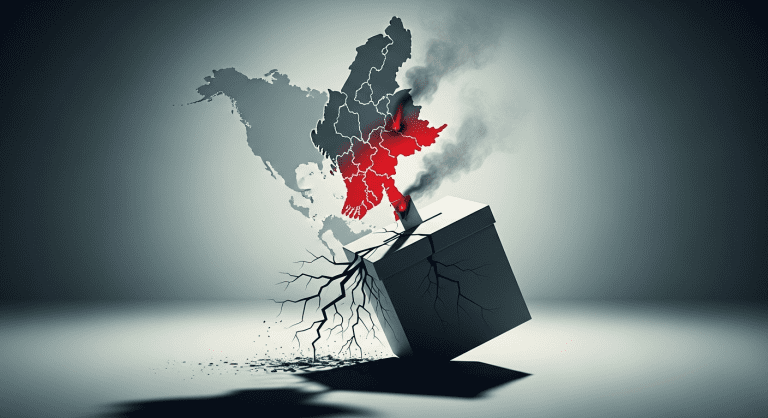

Myanmar 2025 Election: Legitimacy, Civil War, and Global Response
Myanmar’s 2025 election—called the first vote since the 2021 military coup—has become a top trending topic in international affairs, regional stability debates, and human rights discussions. Held amid a spiraling civil war, widespread displacement, media blackouts, and accusations of political engineering by the junta, this election’s legitimacy and impact are under intense scrutiny by observers worldwide.
In this comprehensive overview, we’ll break down the core facts, address the humanitarian and political stakes, and answer the top questions people are searching for about the Myanmar 2025 election.
Why the Myanmar 2025 Election Matters: Context and Search Intent
This article addresses key informational search intent for those who want a clear, up-to-date summary of:
- The timing and scope of the 2025 Myanmar election
- Election legitimacy and international responses
- How the vote shapes Myanmar’s civil war, humanitarian crisis, and political landscape
- What it means for policy makers, activists, and observers
Key Facts: What Happened in Myanmar’s 2025 Election?
- Election date and phases: Voting began in phases in late December 2025. The junta concentrated balloting in areas firmly under their control, postponing or excluding zones dominated by opposition groups (Reuters).
- Coup and leadership: Senior General Min Aung Hlaing has been the key military leader since orchestrating the 2021 coup that ousted the National League for Democracy (NLD) (see the CFR Global Conflict Tracker).
- Scope of conflict: Since 2021, Myanmar’s civil war has killed tens of thousands and displaced over 2 million people, with armed resistance controlling approximately 30–40% of territory.
- Banned and excluded political opponents: The NLD and leading pro-democracy figures remain outlawed, with many political prisoners and tightly restricted candidate eligibility.
- Repressive legal framework: New election laws criminalize dissent. Protesting, opposing, or calling for a boycott can result in long prison sentences or death sentences under junta statutes.
- Observation and legitimacy: While the junta invited some ASEAN observers, Western governments, human-rights groups, and most international organizations boycotted the process, branding it neither free nor fair.
- Voting geography: Polls were only possible in “islands” of junta control—mainly the cities of Yangon, Mandalay, and Naypyidaw. Resistance and ethnic areas largely did not participate.
- Humanitarian emergency: Ongoing fighting, repression, and displacement have led to economic collapse and a dire lack of access to food, healthcare, and basic services for millions.
Myanmar 2025 Election Legitimacy: What Are the Main Concerns?
1. Perception of a “Return to Civilian Rule”
The military junta advertises the 2025 election as a step toward normalcy. However, critics argue that the vote is engineered to consolidate or “civilianize” military rule, with the outcome predetermined and meaningful opposition excluded (Council on Foreign Relations).
2. Territorial Gaps and Ongoing Conflict
Large swathes of Myanmar—up to 40%—lie outside direct government control. Many of these regions are under ethnic armed organizations or alternative civilian authorities, like the National Unity Government (NUG), meaning millions could not vote or were under active conflict, raising clear questions of legitimacy and representativeness.
3. Exclusion of Main Opposition
- NLD, the main pre-coup party, is banned.
- Hundreds of opposition politicians and activists are imprisoned or in hiding.
- Only minor, junta-approved parties were able to field candidates.
4. Legal Repression and Lack of Free Campaigning
- Criminal charges for election criticism.
- Media censorship and shutdowns.
- No viable path for dissenting or independent voices.
Myanmar 2025 Election: Impact on the Civil War and Humanitarian Crisis
- Clashes continued during election phases, with opposition groups calling for boycotts and many areas deemed unsafe or “no-go” zones for polling staff.
- Risks of further escalation are high, as the vote threatens to entrench the status quo and delegitimize parallel resistance authorities in some eyes while fueling local anger and violence in others.
- Displacement, food shortages, and medical emergencies have worsened, with aid organizations restricted or blocked in many contested zones.
These dynamics make the 2025 election not only politically pivotal but also an urgent humanitarian concern—echoing crisis trends covered in world news and thorough analyses (see Reuters coverage).
Regional and International Response: How Is the World Reacting?
- ASEAN and the region: Some Southeast Asian states sent limited observer teams, but have faced criticism for potentially legitimizing the junta’s process.
- Western governments and major democracies: The US, EU, UK, and others rejected the election, threatening or renewing sanctions and calling for an inclusive, credible return to democracy.
- Human rights organizations condemned the process and continue to document humanitarian abuses, legal crackdowns, and information blackouts.
Ongoing international debate centers on whether engaging or isolating the junta better serves peace, humanitarian access, and a future meaningful transition for Myanmar.
Humanitarian and Rights Crisis: How Are Civilians Affected?
Civilians bear the brunt of the 2025 election context. For millions:
- Education, healthcare, food, and shelter are in acute crisis
- State services collapsed in conflict zones
- Many have been forced to flee repeatedly, with little hope of safe return
- Legal threats, arbitrary detention, and violence are common wherever resistance is active
Yet there is also continued resilience—with parallel governance, mutual aid by civil society, and ongoing international advocacy by diaspora and rights groups.
Timeline of Events: Myanmar 2021–2025 (Election & Civil War)
| Year | Key Events |
|---|---|
| 2021 | Military coup, NLD government ousted, massive protests, formation of armed resistance and National Unity Government (NUG) |
| 2022–2024 | Escalating civil war, humanitarian crisis, millions displaced, heavy casualties |
| 2025 (Dec) | Junta holds phased general election, bans NLD and opposition, international condemnation |
Who Are the Key Players in Myanmar’s 2025 Election?
- Senior General Min Aung Hlaing: Junta leader, architect of the 2021 coup.
- Military-aligned parties: Only those that met strict eligibility rules participated.
- National League for Democracy (NLD): Banned party, many leaders in prison or exile.
- National Unity Government (NUG) & resistance: Parallel “government” and armed groups controlling substantial territory.
- ASEAN and international actors: Key for observer roles and diplomatic response.
FAQs: People Also Ask About the Myanmar 2025 Election
Was the Myanmar 2025 election free and fair?
No. Most independent observers and rights organizations consider the 2025 election neither free nor fair due to mass exclusions, ongoing warfare, legal crackdowns, and lack of a level playing field. Only party figures aligned with or approved by the military could participate.
What happened to the National League for Democracy (NLD)?
The NLD, led by Aung San Suu Kyi, was dissolved and banned after the 2021 coup. Hundreds of its members—along with other politicians and activists—are in prison, exile, or hiding, unable to participate in the 2025 vote.
How much of Myanmar actually voted in the 2025 election?
Estimates suggest only about 60–70% of total territory (mostly urban centers and military strongholds) participated. Large swathes run by resistance or ethnic groups were excluded, with millions of citizens unable or unwilling to vote.
Why did the junta hold elections amid active civil war?
The junta claims elections signal a “return to civilian rule.” Regional pressure and internal insecurity may have also pushed the timeline. However, critics argue this was to manufacture legitimacy and lift some international sanctions or isolation.
What can the international community do?
Options under discussion include targeted sanctions, humanitarian aid channels outside junta control, working with local civil society, and maintaining pressure for a genuine democratic transition.
Where can I follow future developments?
Stay updated through authorities like Reuters, the Council on Foreign Relations, and respected regional think tanks.
Further Reading & Internal Resources
- Related: Global crisis management lessons from Ben Sasse’s 2025 announcement
- How information control affects international perception – Epstein files
- Understanding leadership and trust in tumultuous times
- Elections and national morale: How sports moments unite communities
Conclusion: What Next for Myanmar, and Why You Should Stay Informed
The Myanmar 2025 election is more than a vote: it is a flashpoint for regional security, a test of international resolve on human rights, and a direct question of who speaks for Myanmar’s people amid tragedy. How the world—and especially Southeast Asia—responds, may shape diplomatic and humanitarian outcomes for years to come.
Key takeaways:
- The 2025 election has been widely condemned as illegitimate and exclusionary.
- Active conflict, mass displacement, and legal repression mean millions are left out or at risk.
- Regional and global action—not just statements—will be crucial in shaping future outcomes.
- Staying informed and supporting credible humanitarian and rights organizations helps amplify civilian voices and evidence-based advocacy.
For real-time updates, engage with trusted monitors like Reuters and the Council on Foreign Relations, and revisit our internal guides for expert context on related world events.




0 Comments