


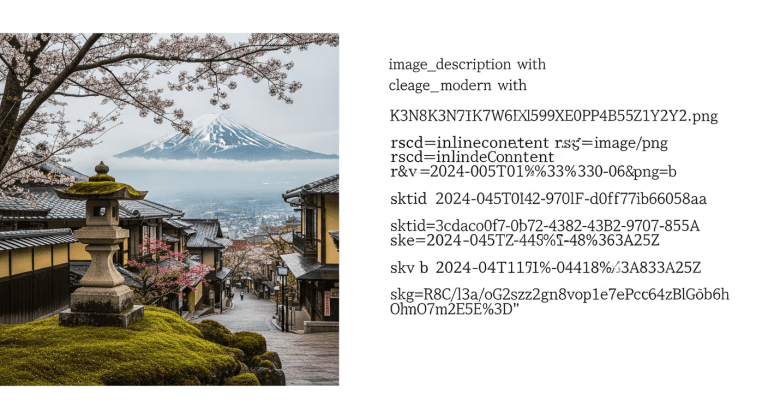

Essential Language Tips for Travelers in Japan: Master Basic Japanese & Etiquette
Planning a trip to Japan? For 31-40 year old adults, unlocking the basics of the Japanese language and etiquette will instantly enhance your journey. Whether you’re exploring Tokyo’s neon streets, soaking in Kyoto’s serene temples, or navigating Osaka’s vibrant markets, a little language know-how goes a long way in building local connections and avoiding confusion. This guide gives you actionable language tips and cultural do’s and don’ts, ensuring you get more from your trip and stand out as a respectful, savvy traveler.
Why Learn Basic Japanese for Travel?
Unlike many destinations, English is not widely spoken outside major tourist zones in Japan. Learning essential Japanese phrases dramatically improves your travel experience—helping you with directions, ordering food, or even making new friends. Plus, showing effort to speak Japanese demonstrates respect for the culture, which locals appreciate deeply.
- Enhances day-to-day communication
- Creates smoother, stress-free travel
- Increases safety and confidence
- Opens up richer cultural experiences
For more on how language impacts safe solo travel, check out our solo travel safety hacks guide.
Primary Japanese Survival Phrases Every Traveler Needs
Mastering a handful of phrases is key to getting by. Focus on these travel-friendly Japanese words and greetings to navigate stations, restaurants, and shops:
- Konnichiwa こんにちは: Hello / Good afternoon
- Sumimasen すみません: Excuse me / Sorry
- Arigatou gozaimasu ありがとうございます: Thank you very much
- Eigo ga hanasemasu ka? 英語が話せますか?: Do you speak English?
- Ikura desu ka? いくらですか?: How much is it?
- Toire wa doko desu ka? トイレはどこですか?: Where is the bathroom?
- Daijoubu だいじょうぶ: It’s ok / I’m fine
- Oishii おいしい: Delicious (great for food!)
- Hai / Iie はい / いいえ: Yes / No
Pronunciation Best Practices
- Speak slowly—Japanese is syllable-based
- Listen to locals and mimic natural intonation
- Focus on clarity over speed
Essential Etiquette: Language and Cultural Do’s & Don’ts
Communication in Japan is polite, indirect, and riddled with social nuance. Adopting basic etiquette will help you avoid awkward moments and blend in:
- Bowing (Ojigi): A nod or slight bow beats a handshake for greetings and thanks.
- Avoid Raising Your Voice: Japanese people value calm, quiet conversations in public.
- Politeness: Always use “sumimasen” when requesting help or apologizing.
- Avoid Pointing: Point with a flat hand, not your finger.
- Learn to Read Body Language: Non-verbal cues are important; hesitation might mean “no.”
- Shoes Off Indoors: Remove shoes when entering homes, temples, and some restaurants.
For a global view of etiquette and solo adventures, browse our solo adventure safety and packing guide.
Handy Mobile Apps to Break the Language Barrier
While learning basics is crucial, having the right translation and navigation apps on your phone minimizes anxiety, especially if you travel alone:
- Google Translate: Live camera and voice translation, plus offline support
- Waygo: Translates signs and menus instantly with your camera
- Imiwa?: Best offline Japanese-English dictionary for iOS users
- Japan Official Travel App: Multi-lingual navigation, route planning, emergency info
Pro tip: Download language packs for offline use before you land in Japan.
How to Order Food Like a Local in Japan
Restaurants in Japan often lack English menus. These step-by-step tips help you get exactly what you want—and impress locals:
- Check for picture menus (shashin-tsuki menu 写真付きメニュー): Many casual eateries have visual menus.
- Use “Kore o kudasai これをください”: Point at the item and say this—”This, please.”
- State dietary needs early: “Watashi wa (beef / gluten / nut) dame desu” meaning “I cannot eat (ingredient).”
- Pay at the counter: In many places, you pay at the register, not the table.
- Don’t tip: Tipping is not expected, and insisting can be confusing or offensive.
BONUS: “Omakase” means leaving it up to the chef—a fun option at sushi bars!
Quick Reference Table: Most Useful Japanese Travel Phrases
| English | Japanese | Pronunciation |
|---|---|---|
| Hello | こんにちは | Konnichiwa |
| Thank you | ありがとうございます | Arigatou gozaimasu |
| Excuse me / Sorry | すみません | Sumimasen |
| Do you speak English? | 英語が話せますか? | Eigo ga hanasemasu ka? |
| How much is it? | いくらですか? | Ikura desu ka? |
| Where is the bathroom? | トイレはどこですか? | Toire wa doko desu ka? |
| Yes | はい | Hai |
| No | いいえ | Iie |
Common Communication Pitfalls to Avoid in Japan
Even with helpful phrases, miscommunication is possible! Protect yourself from travel mishaps by noting these critical mistakes to sidestep:
- Assuming English menus/staff are always available
- Confusing formal (“gozaimasu”) and informal language
- Neglecting the importance of bowing
- Over-relying on phones—wifi can be patchy on trains and in rural areas
- Expecting direct refusals—learn to pick up on indirect “no” signals
If you’re a solo traveler, check our budget-friendly solo travel guide for adapting to new cultures.
Further Language Learning Resources for Travelers
- Japan National Tourism Organization: Language Guide
- Tofugu: Japanese Language & Culture
- Duolingo: Free Japanese Lessons
- Japan-Guide: Useful Japanese Phrases
FAQs: Language and Etiquette for Travelers in Japan
- Do I need to be fluent in Japanese to travel in Japan?
- No, basic phrases and polite gestures are enough for most travel scenarios. Fluency is not expected.
- Is English spoken widely in Japan?
- English is spoken in hotels and tourist hotspots, but outside cities it’s rare. Always prepare with basic Japanese.
- What’s the best way to communicate dietary restrictions?
- Memorize or write down the phrase: “Watashi wa [allergen] taberaremasen” (I can’t eat [allergen]). Show this to staff if necessary.
- Can I use translation apps everywhere?
- Apps like Google Translate are extremely helpful, but don’t rely solely on them—have some phrases handy, especially when offline.
- Will locals appreciate my attempts at Japanese?
- Absolutely! Even a simple “arigatou” is greeted warmly.
Conclusion: Your Japanese Trip Just Got Smoother
Japan is one of the world’s most rewarding destinations for adults aged 31-40. Mastering simple language tips and core etiquette will boost your confidence, smooth out logistics, and spark deeper cultural exchanges. Remember: politeness beats perfection. Even mispronounced phrases are valued as effort.
Continue your travel mastery with our step-by-step travel blog guide or deepen your understanding of minimalism and travel happiness in this practical tips article.
Get ready to make authentic, memorable connections in Japan—one phrase at a time!


0 Comments