


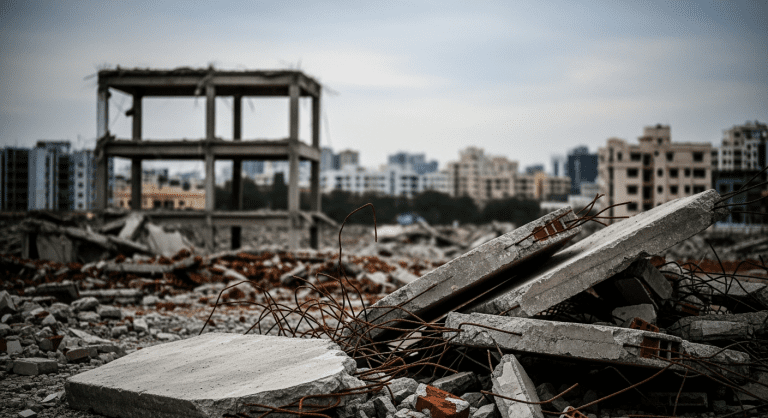

Kogilu Layout Demolition in Bengaluru: What Happened, Political Fallout, and Humanitarian Impact
Kogilu Layout demolition Bengaluru quickly turned from a local eviction drive into a heated inter-state political controversy between Karnataka and Kerala. With hundreds of families displaced, leading politicians sparring, and urgent calls for relief, this issue is now making national headlines. Here’s everything you need to know—including key facts, public reactions, legal debates, and the humanitarian angle—about the Kogilu Layout, Fakir Colony, and Wasim Layout demolition.
Overview: What Is the Kogilu Layout Demolition?
In late December 2025, Bengaluru authorities carried out a large-scale eviction drive in Kogilu Layout, specifically targeting Fakir Colony and Wasim (Waseem) Layout in Yelahanka. The area, previously identified as government land for waste management and civic use, had been home to roughly 300–400 families—mostly migrant workers—many of whom had lived there for years.
- Demolition Dates: Operations mainly occurred around December 20–22, 2025
- Agencies Involved: Bengaluru Solid Waste Management Limited (BSWML), Greater Bengaluru Authority (GBA), and local police
- Reason: Officials cited safety risks and intended use as landfill/quarry/civic facilities (bio-gas, waste processing)
- Result: Hundreds rendered homeless overnight, sparking protests, urgent humanitarian concerns, and political escalation
Why Did the Kogilu Layout Demolition Happen?
The clearance was part of a broader campaign to reclaim government land allegedly encroached upon by unauthorized settlers. According to the authorities, the site:
- Was not fit for human habitation due to landfill and quarry usage
- Was marked for public infrastructure (e.g., bio-gas plants)
- Had seen increasing construction of semi-permanent housing in the past few years
Officials insist that due process was followed and that only illegal encroachments were targeted. However, residents and activists argue many families were given little or no notice and allege exclusion from proper resettlement or compensation schemes.
Political Fallout: Karnataka vs Kerala over ‘Bulldozer Raj’
Pinarayi Vijayan’s Criticism
The incident attracted swift outcry from Kerala Chief Minister Pinarayi Vijayan, who called the action a “bulldozer raj”—a term used nationally to describe aggressive demolition drives—and accused Karnataka’s government of violating both constitutional values and human dignity. Vijayan’s sharp words triggered a direct war of words between top state leaders.
Karnataka’s Response
- Deputy CM D.K. Shivakumar and Chief Minister Siddaramaiah firmly rejected Kerala’s charges, defending the drive as a lawful action to reclaim critical public land.
- They accused Pinarayi Vijayan and other Kerala leaders of politicising the issue and intervening without full facts.
- Karnataka’s officials maintained that the eviction targeted only unauthorized settlements and asserted that valid residents would be considered for government housing schemes.
Kerala Leaders Escalate
Other leaders—including MLA K.T. Jaleel and former Union Minister C.M. Ibrahim—visited the demolition site, met displaced families, and demanded:
- Immediate relief and ₹5 lakh compensation per family
- Reconstruction or permanent rehabilitation on the same land
- Protection of rights for migrant and minority communities, highlighting how many displaced residents were from Kerala or other underprivileged backgrounds
This evolving Karnataka Kerala political row over bulldozer raj Kogilu demolition has drawn national attention and sparked debate on governance, minority rights, and electoral optics.
Humanitarian Impact: Families Left Homeless
Perhaps the most pressing concern is the humanitarian situation of those evicted. Media reports and activist footage show:
- Hundreds of families camping in the open on cold winter nights with children and elderly in distress
- Many claim they received little or no prior notice, contradicting official versions
- Urgent needs for food, temporary shelter, medical care, and child protection
- Protests and solidarity visits from political leaders, NGO workers, and civil society groups
This has galvanized urban rights activists, who call for humane relocation, legal aid, and proper compensation. The emotional appeal is hard to ignore: visual coverage and testimony highlight personal losses and the trauma of forced eviction.
Legal and Policy Questions: Was Due Process Followed?
- Was sufficient notice served? Residents dispute official claims and allege sudden clearance.
- Are all residents “encroachers”? Some argue many residents were tenants or low-income workers unaware of land legalities.
- What is the law on demolishing houses on civic/waste land? Government refers to rules against hazardous and illegal use, but activists counter that evictions during winter, without alternative housing, breach humanitarian standards.
- Did rehabilitation offers go far enough? Karnataka says eligible residents can apply for central/state housing, but details on process, timelines, and access remain unclear.
For more on political debates and legal responses, see The Hindu’s coverage.
Broader Governance Debate: ‘Bulldozer’ Tactics Versus Encroachment Removal
The Kogilu Layout eviction isn’t just local—it reignites a national debate about:
- The use of “bulldozer” style demolitions (symbolizing tough action, criticized for insensitivity)
- Encroachment by land mafia versus genuine poor shelter-seekers
- Urban land use policy: balancing city infrastructure with the rights and safety of informal settlers
- How to provide rehabilitation and relief in practice
- Lessons for municipal governance and disaster prevention
Civil society has demanded better protocols, more inclusive notices, and enforceable guarantees on resettlement, especially as municipal authorities ramp up encroachment drives on urban land earmarked for waste or public use.
Key Details in Timeline Form
| Date | Event |
|---|---|
| December 20–22, 2025 | Demolition drive at Fakir Colony & Wasim Layout, Kogilu village, Yelahanka, conducted by BSWML/GBA & police |
| Post-demolition (late December 2025) | Families left homeless, protests erupt; Kerala leaders visit site and demand action |
| December 23–27, 2025 | Karnataka and Kerala CMs exchange sharp public statements; issue reaches national media |
| Ongoing | Relief mobilization, media follow-up, civil society intervention, continued political exchanges |
What Are the Next Steps for Affected Residents?
- Karnataka has announced that eligible residents may apply for relief and permanent housing under various government schemes
- Kerala leaders and several NGOs are demanding compensation, transparent rehabilitation, and protection of migrant rights
- Legal challenges are expected, and activists plan to monitor compliance with humanitarian and constitutional standards
For eyewitness accounts and latest relief updates, follow ongoing coverage at The News Minute.
Long-Tail Keywords: What Are People Searching?
- Kogilu Layout Fakir Colony Wasim Layout eviction December 2025
- Karnataka Kerala political row over bulldozer raj Kogilu demolition
- Bengaluru Solid Waste Management Limited encroachment clearance humanitarian impact
Related Topics You Might Find Useful
- How city infrastructure projects affect local communities
- Major news events in 2025
- Political controversies in December 2025
- Building resilient communities: empathy and policy tips
Frequently Asked Questions (FAQs)
1. Why was the Kogilu Layout demolition carried out?
The demolition targeted unauthorized settlements on land owned by the government, earmarked for waste management and deemed unsafe for living. However, critics argue many affected families were vulnerable migrants given insufficient notice or options.
2. Who authorized and executed the demolition?
The operation was carried out by Bengaluru Solid Waste Management Limited (BSWML), the Greater Bengaluru Authority, and local police forces.
3. What has been the political fallout?
Kerala’s Chief Minister Pinarayi Vijayan condemned the action, leading to sharp rebuttals from Karnataka’s Congress-led government. The controversy sparked broader debates about governance and minority rights in demolition drives.
4. Have the displaced families received compensation or alternate housing?
Karnataka has promised that eligible families may access compensation and certain government housing schemes. Many residents and activists demand more transparent processes and immediate relief.
5. What are the humanitarian concerns?
Hundreds of displaced families, including children, were left without adequate shelter, food, or medical care. Civil society and political leaders have called for urgent humanitarian aid and dignified rehabilitation.
Conclusion: Key Takeaways from the Kogilu Layout Demolition
The Kogilu Layout demolition in Bengaluru is more than a routine land-clearance—it reveals the clash between urban development, vulnerable populations, constitutional rights, and hard-hitting political narratives. As debates on “bulldozer raj” grow sharper, it is critical to balance legal enforcement with humane treatment and transparent rehabilitation. The need for clear communication, inclusive resettlement protocols, and compassionate governance stands out as the primary lesson for future urban policy and inter-state relations.
For in-depth analyses of civic actions, urban governance, and citizens’ rights, explore more guides on community-building and follow reliable Indian news sources for ongoing updates:




0 Comments