


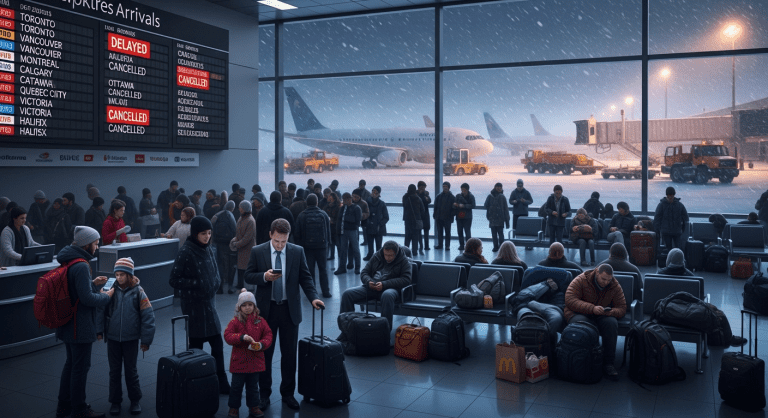

Winter Storm Flight Delays: How the January 2026 Storm Paralyzed Air Travel Across Canada and the US
Winter storm flight delays have become a trending concern for travelers after a paralyzing blizzard on January 2, 2026, caused major disruptions across Canada and the U.S. Northeast. With hundreds of flights grounded, thousands stranded during the busy post-holiday period, and emergency declarations from state and provincial leaders, both seasoned travelers and families returning from holiday reunions faced urgent, unexpected challenges in getting home.
Table of Contents
- Why Was the January 2026 Winter Storm So Severe?
- Flight Disruptions: Major Airports Impacted
- Airlines’ Responses: Rebooking and Refunds
- Emotional and Practical Impact on Travelers
- How Long Will Disruptions Last? Expected Recovery
- How To Prep for Winter Storm Travel: Tips and Resources
- FAQs
- Conclusion and Key Takeaways
Why Was the January 2026 Winter Storm So Severe?
The January 2026 winter storm hit at the worst possible time — the days following Christmas and New Year’s — traditionally one of the busiest travel periods. On January 2, a massive system brought blizzards, ice, freezing rain, and high winds from the Pacific coast across central and eastern Canada, while the northeast U.S. faced snow squalls and hazardous driving conditions dating back to late December.
- Canada: 598 delays and 98 cancellations at major airports
- US Northeast & Great Lakes: Over 1,000-1,500 total flight cancellations/delays between December 26–28
- States of emergency issued in major population centers
- Ripple effects to travel felt for several days
For a full breakdown of the storm’s severity, see The Traveler’s winter storm coverage.
Flight Disruptions: Major Airports Impacted
Toronto Pearson International Airport was especially hard hit, with 229 delays and 34 cancellations on January 2 alone. Vancouver, Montreal, and Calgary followed with dozens of delays and cancellations each.
- Toronto Pearson (YYZ): 229 delays, 34 cancellations
- Vancouver (YVR): 82 delays, 23 cancellations
- Montreal (YUL): 109 delays, 15 cancellations
- Calgary (YYC): 112 delays, 7 cancellations
In the United States, airports serving New York City (JFK, LaGuardia, Newark) faced the brunt, with 2-4+ inches of snow and widespread outages. Ripple delays affected connecting flights through Chicago, Detroit, and throughout the Northeast corridor.
Major Affected Airlines
- Canada: Air Canada, WestJet, Jazz, Republic Airways
- US: American Airlines, United, JetBlue (waived change fees), Delta
More on how airlines handle storm response can be found at Fortune’s report on winter storm travel chaos.
Airlines’ Responses: Rebooking and Refunds
Facing growing customer frustration, most major airlines provided waived change fees, flexible rebooking, and cancellation options:
- JetBlue, United, American: Waived rebooking/change fees for affected travel dates
- Delta: Actively restoring normal schedules and updating travelers as weather improved
- Air Canada & WestJet: Advised checking flight status, using apps for updates, and offered no-penalty rescheduling on most itineraries
However, many travelers reported hours-long waits for customer service, with some forced to sleep overnight at crowded airports.
How to Check Your Flight Status
- Use your airline’s official app or website (real-time updates)
- Check third-party tools like FlightAware or FlightStats for airport-wide delay patterns
- Sign up for text/email notifications from your carrier
Emotional and Practical Impact on Travelers
Urgency and frustration dominated the January 2026 winter storm, as thousands were left in limbo. Families, business travelers, and students faced unexpected separations, missed connections, and uncertainty when trying to return home after the holidays.
- Parents and children stranded overnight in terminals
- Travelers unable to reach connecting flights or important events
- Psychological stress from not knowing when travel could resume
- Vulnerable individuals (elderly, disabled) at risk during long waits
The ripple effect extended to disrupted business schedules, missed family occasions, and financial losses—another reminder of the vulnerability of modern air travel to severe winter weather.
How Long Will Disruptions Last? Expected Recovery
While the worst of the storm had eased by January 3, flight delays and backlogs were expected to last 24–72 hours at major Canadian and US hubs. Connecting flights and regional operations could experience continued disruptions into the first full week of January.
- Travelers should check flight status frequently for updates
- Backlogs may persist even as weather clears—airlines must reposition crews and aircraft
- Monitor state of emergency announcements for local travel restrictions
For up-to-date coverage, visit this Economic Times storm update.
How To Prep for Winter Storm Travel: Tips and Resources
If you are traveling in winter, preparation is crucial—especially if storms disrupt flights:
- Book direct flights whenever possible to avoid connections in snowy hubs
- Sign up for alerts from your airline and follow local news
- Travel with essentials—snacks, medication, chargers—in hand luggage
- Review your airline’s severe weather policy before departure
- Allow flexibility in plans during the busy holiday season
- Consider travel insurance that covers weather events (read terms carefully)
See JCA’s snowstorm disruption blog for more preparation strategies.
If you’re looking for more helpful general travel or relationship tips, try this guide to building healthy lasting relationships or discover tips to boost personal confidence.
Frequently Asked Questions: Winter Storm Flight Delays
1. What causes the most winter storm flight delays?
Flight delays are mainly caused by heavy snow, ice, reduced visibility (fog), and high winds, which make runways unsafe and disrupt both takeoffs and landings. Airlines must also reposition crews and aircraft after initial disruptions.
2. Which airports were affected the most during the January 2026 storm?
Toronto Pearson International led Canadian disruptions, while JFK, LaGuardia, and Newark were most impacted in the U.S. Northeast.
3. What should I do if my flight is canceled due to a storm?
Immediately check your carrier’s app or website for options to rebook, request a refund, or change your flight for free. Avoid calling unless rebooking online fails, as call centers are often flooded.
4. How long do delays and cancellations typically last after a storm?
Major disruptions may persist for 24–72 hours, even after weather improves, as airlines work through accumulated backlogs and out-of-position assets.
5. Can airlines compensate me for extra expenses caused by weather delays?
Most airlines are not required to cover costs from weather-related delays, but some may offer vouchers or hotel stays. Always keep receipts and check your airline’s policy.
Conclusion and Key Takeaways
The January 2026 winter storm underscored just how vulnerable modern air travel remains to extreme weather. With winter storm flight delays and widespread cancellations at the peak of the holiday season, it’s crucial to stay proactive, flexible, and informed when traveling in winter months. Always monitor for developing storms, maintain up-to-date contact information with your airline, and prepare essential supplies when traveling during high-risk periods.
- Check flight status and alerts before leaving home
- Use airline apps and web portals for rapid rebooking
- Travel with flexibility and prepare for disruptions
- States of emergency affect both air and ground transport
- Ongoing ripple effects can affect plans for several days
For real-time updates and travel support, consult latest coverage here, and use strategies from our recommended personal development resources to manage travel stress effectively.
Stay safe, plan ahead, and bookmark this guide for the latest on winter storm flight delays and travel preparedness.




0 Comments