


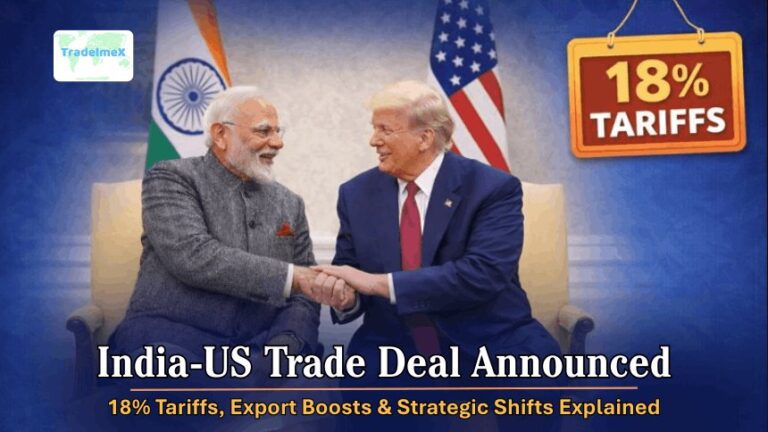

India-US Trade Deal 2026: How the New Tariff Reductions Are Reshaping Global Trade
The India-US trade deal announced on February 3, 2026, signifies a major shift in international economic relations. With President Donald Trump revealing the agreement via social media, and Indian Prime Minister Narendra Modi expressing gratitude, this pact is set to redefine trade dynamics in Asia and beyond. It offers India a strategic edge over regional competitors like China, Pakistan, Bangladesh, Vietnam, and Indonesia, boosting export potential and strengthening economic ties with the US. This comprehensive guide explores the key aspects, implications, and strategic benefits of the India-US trade deal, helping investors, exporters, and policy enthusiasts understand its significance in 2026 and beyond.
Understanding the Core of the India-US Trade Deal
What Are the Main Components?
- Tariff Reduction: US tariffs on Indian goods are immediately cut from 50% to 18%, including the removal of a 25% reciprocal tariff and a 25% penalty for Russian oil purchases.
- Energy and Oil Trade: India commits to halting Russian oil imports, favoring US and Venezuelan energy sources, while increasing US energy buys (over $500 billion including coal).
- Trade Barriers: India pledges to reduce tariffs and non-tariff barriers to zero on US goods, significantly boosting exports in textiles, manufacturing, and tech sectors.
- Strategic Alignment: The deal aligns with US efforts to diversify supply chains away from China, positioning India as a preferred partner in regional trade.
Historical Context and Key Announcements
The deal’s announcement came via President Trump’s Truth Social post, highlighting “friendship and respect” towards Modi, who responded on X (formerly Twitter), thanking Trump on behalf of India’s 1.4 billion population. Notable figures involved include U.S. Ambassador Sergio Gor, described as Modi’s “great friend,” and Pakistan’s army chief Asim Munir, whose recent US ties are also of interest.
Why Is the India-US Trade Deal Trending and Important?
Strategic Shift in Global Trade Hierarchies
This deal is seen as a game-changer, especially amid ongoing US-China rivalry. By slashing tariffs for India, the US positions itself to encourage manufacturing and exports from India, overtaking traditional Asian rivals in the process.
Immediate Impact on Markets and Exports
- Indian stocks soar as trade prospects improve.
- Boosts in sectors like textiles, apparel, manufacturing, and technology.
- Enhanced US-India trade partnerships support “Make in India” ambitions.
Geopolitical and Economic Significance
This deal cements India as Washington’s strategic partner, reducing dependence on China for supply chains. It also signals a pragmatic shift in regional geopolitics, asserting India’s emerging global role.
Implications for Regional Rivals and Global Supply Chains
Comparison of Asian Countries’ Tariffs
| Country | US Tariffs (2026) |
|---|---|
| India | 18% |
| China | 34-37% |
| Pakistan | 19% |
| Bangladesh | 20% |
| Vietnam | 20% |
| Indonesia | 19% |
This tariff advantage gives India a clear edge, making it a more attractive hub for US companies relocating supply chains and manufacturing operations.
Legal, Political, and Economic Challenges
The details of implementation remain unclear, and questions remain about how smoothly tariffs will be phased in, and how domestic industries will adapt. Critics in India, including opposition parties, question the deal’s impact on sovereignty, while supporters see it as a chance for economic revival.
How the Deal Benefits Different Stakeholders
- India’s Exporters: Gains massive access to American markets, boosting revenues and employment.
- US Businesses: Secures reliable sources of manufactured goods and energy, reducing costs.
- Strategic Partners: Reinforces US-India relations, countering Chinese influence in Asia.
- Indian Consumers: May see more diverse product availability and lower prices over time.
FAQs About the India-US Trade Deal
What are the main benefits of the India-US trade deal?
The deal reduces tariffs, boosts exports, enhances energy trade, and strategically positions India as a key partner for supply chain diversification.
Will the trade deal immediately improve India’s economy?
While exports are expected to grow quickly, full economic impacts depend on implementation and global market conditions.
How does the deal impact India’s relations with China and Pakistan?
It strengthens India’s competitive edge over regional rivals like China and Pakistan, who face higher tariffs, thereby shifting regional trade power balances.
Are there concerns about India’s dependence on US markets?
While increased US trade benefits Indian exporters, some skeptics worry about over-reliance; diversifying markets remains essential.
What future steps does India need to take following this deal?
India should focus on improving infrastructure, reducing remaining non-tariff barriers, and strengthening domestic manufacturing to maximize benefits.
Conclusion: A New Era for India-US Trade Relations
The 2026 India-US trade deal marks a pivotal moment in international trade, giving India a competitive tariff advantage and solidifying its role in global supply chains. While implementation details need clarity, the immediate market response underscores its potential to boost exports and attract foreign investment. For Indian exporters and policymakers, this deal offers a strategic opportunity to accelerate economic growth and global integration.
Stay updated on trade developments by following trusted sources like Times of India and The Print. For strategic tips on enhancing your business, explore building lasting relationships.
Actionable Takeaways
- Leverage tariff reductions by increasing exports in targeted sectors like textiles and manufacturing.
- Monitor US and Indian government policies for updates on implementation timelines.
- Invest in supply chain diversification strategies, emphasizing Indian market integration.
- Engage with policymakers and industry groups to capitalize on new trade opportunities.




0 Comments