


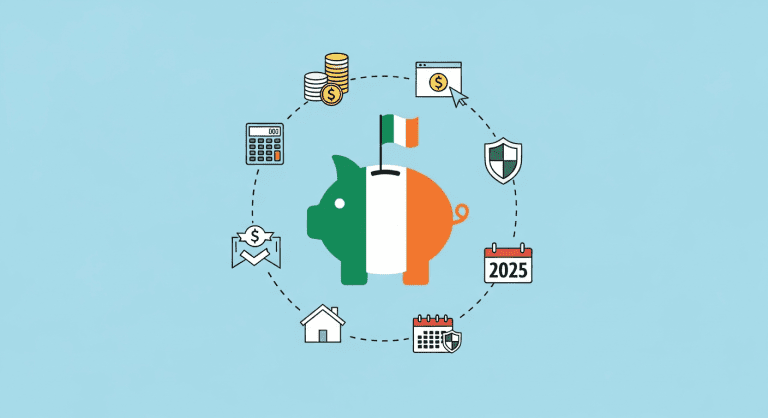

How to Build an Emergency Fund: Complete Step-by-Step Guide for Young Adults in Ireland (2025)
Building an emergency fund is a crucial first step toward financial security. If you’re a young adult in Ireland, learning how to grow your savings for a rainy day is not just smart—it’s essential in 2025’s unpredictable world. This guide will walk you through proven steps to build an emergency fund quickly and confidently, tailored for Ireland’s financial landscape.
Why Every Young Adult in Ireland Needs an Emergency Fund in 2025
With the rising cost of living, uncertain job markets, and global economic shifts, unexpected expenses can derail your financial plans. An emergency fund acts as a financial “shock absorber,” protecting you from:
- Unplanned medical expenses
- Car or home repairs
- Job loss or reduced income
- Unexpected travel needs
According to Citizens Information, even a small financial cushion can make a significant difference during crises.
How Much Should Your Emergency Fund Be?
The general rule is to save three to six months’ worth of essential expenses. In Ireland, this means calculating:
- Rent or mortgage
- Utilities and groceries
- Transport
- Minimum loan payments
Example: If your essential monthly expenses total €1,500, aim for an emergency fund between €4,500 and €9,000. Start with a target of €1,000 if you’re new to saving—it’s a powerful first milestone.
Step-by-Step: How to Build Your Emergency Fund in Ireland
1. Audit Your Current Finances
- Track your income and spending using apps like Revolut, Bank of Ireland, or simple spreadsheets.
- Identify “leaks” where money slips away on non-essentials.
- Set a realistic monthly savings goal (even €20–50 is enough to start).
2. Open a Separate High-Interest Savings Account
Keep your emergency fund separate from everyday spending to avoid temptation. In Ireland, look for online accounts with:
- No fees
- Instant access
- Competitive interest rates (compare at CCPC.ie)
Automate transfers each payday for hassle-free saving.
3. Build Gradually with “Pay Yourself First”
- Automate a set amount (even €10 a week) into your emergency fund before you spend on anything else.
- Boost savings with windfalls—bonuses, birthday money, or tax refunds.
- Set mini-goals: hit €1,000, then 1 month’s expenses, and so on.
4. Cut Back on Non-Essentials—Pain-Free!
Quick wins for Irish young adults:
- Cycle to work with the Cycle to Work Scheme
- Swap takeouts for meal-prepped lunches
- Review subscriptions and cancel underused ones
- Switch utility providers for better deals
5. Use Side Hustles and Cash Boosters
Increase your income to speed up your emergency fund growth:
- Freelance online (Upwork, Fiverr, or Irish-based platforms)
- Sell unused items—try Adverts.ie or DoneDeal.ie
- Take part-time gigs: tutoring, delivery, or event work
Check out more smart money trends for young adults for additional ideas!
6. Protect and Refill Your Fund
- Only use your emergency fund for genuine, unforeseen needs.
- If you withdraw funds, focus on refilling it as soon as possible—treat it as non-negotiable.
- Review your fund yearly to meet changing expenses, especially in 2025’s shifting economy.
Common Mistakes to Avoid
- Using credit cards or loans as an “emergency plan” (creates debt traps)
- Leaving money in a current account—separate it to avoid easy spending
- Trying to build a big fund instantly—small, steady growth wins
Smart Tools & Apps for Irish Savers
- Revolut and N26 for instant saving “Vaults”
- Budget trackers: Mint and YNAB
- Comparison tools: CCPC Savings Account Comparison
Emergency Fund vs. Regular Savings: What’s the Difference?
| Emergency Fund | Regular Savings |
|---|---|
| – For surprises (car repair, job loss, medical) – Not touched for planned costs – Instant access preferred |
– For goals (holidays, gadgets, big purchases) – Withdrawn on schedule – Can lock for higher interest |
Frequently Asked Questions (FAQ)
How quickly should I build my emergency fund?
It’s best to build your fund over 6–12 months, but the pace is less important than getting started. Focus on consistency rather than speed—small, regular deposits add up fast.
Should my emergency fund include my rent?
Yes. Always cover rent or mortgage in your fund, as it’s usually your largest recurring expense.
Where is the safest place to keep my emergency fund in Ireland?
Use a dedicated savings account with instant access—avoid gambling in stocks or illiquid accounts. See options at CCPC.
Can I use my credit card in an emergency instead?
Credit cards create debt—your emergency fund saves you from interest and repayment stress. Use savings first!
What if I have student loans or credit cards?
It’s still wise to save a small fund (e.g., €500–1,000) even if you have debt. This prevents more borrowing for emergencies. See our in-depth emergency fund guide for tips on balancing debt and saving.
Key Takeaways: Start Building Your Safety Net Now
- Anyone can start—no amount is too small.
- Set up a separate, high-interest savings account.
- Automate savings from every paycheck.
- Only use your fund for true emergencies.
- Check out guides on simple budgeting and the latest finance trends to boost your financial knowledge.
Conclusion: Make 2025 the Year You Build Real Financial Security
In Ireland’s changing economy, a solid emergency fund is your best protection against life’s surprises. By starting small, saving automatically, and staying disciplined, you’ll gain confidence and peace of mind—putting you a step ahead for whatever comes next. Start today, and future-you will thank you!




0 Comments