



Introduction
Google Pomelli is revolutionizing how small businesses and marketers scale their campaigns, but there’s a catch—this AI tool is only as good as the website data it analyzes. If your website lacks clear messaging or compelling visuals, Pomelli’s automated content may come out bland or off-brand. Here’s how you can optimize your website to unlock Pomelli’s full potential for accurate brand DNA extraction and on-point marketing assets.
Why Website Optimization Matters for Pomelli
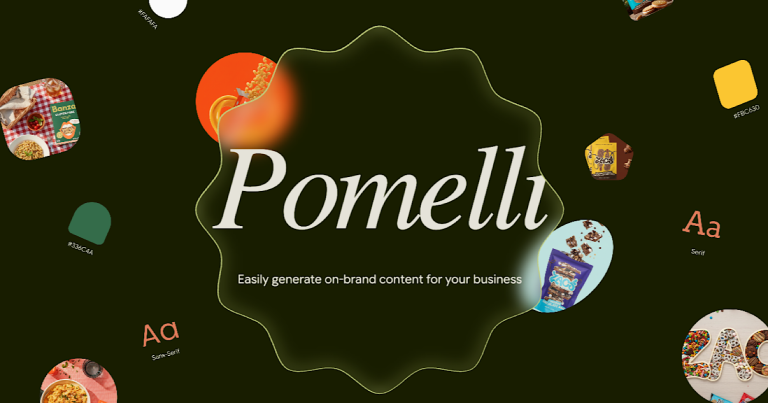
Pomelli works by scanning your business website to build your “Business DNA,” identifying your tone of voice, visual identity, audience, and messaging pillars. Clear, well-structured, and updated websites help Pomelli instantly understand and replicate your true brand essence—giving your campaigns a human touch, not just canned automation.
Step 1: Refine Your Brand Messaging
-
Update Taglines and Descriptions: Ensure your homepage and key pages feature concise, up-to-date taglines, product or service descriptions, and calls-to-action.
-
Consistent Tone: Review and unify the language across your site—Pomelli will use your copywriting style in all campaign assets.
-
Highlight Value Propositions: Make your key benefits clear. If you’re a “fast, friendly delivery service,” say it upfront so Pomelli can echo that message.
Step 2: Polish Visual Branding
-
Logos and Color Schemes: Upload crisp, high-resolution logos and standardize your color palette site-wide.
-
Font Choices: Use 1-2 font families for consistent typography. This helps Pomelli match your brand’s look in visual assets.
-
Image Quality: Add high-quality photos or branded illustrations wherever possible. Stock or low-res imagery reduces Pomelli’s accuracy in visual matching.
Step 3: Structure for Clarity
-
Simple Navigation: Clean up your site structure to make key pages (About, Services, Contact) easy to find.
-
Clear Headings: Organize content with proper headings and bullet points. Pomelli uses these cues to extract main ideas and brand voice.
-
Internal Linking: Link between relevant pages. This helps Pomelli understand how your business offerings are interconnected.
Step 4: Ensure Sufficient Content
-
Robust “About” and Service Pages: Don’t rely just on a landing page. Add detailed “About,” service, or product descriptions for Pomelli to analyze.
-
Minimum Content Threshold: Aim for at least 300–500 words on core pages. Sparse content limits the depth of Pomelli’s DNA extraction.
-
Testimonials and Reviews: Showcase customer experiences. Pomelli can integrate this language into your marketing copy for authenticity.
Step 5: Check Mobile and Load Speed
-
Mobile-Friendly Design: Make sure your site works on phones and tablets. Pomelli’s crawlers extract better DNA from properly responsive pages.
-
Fast Load Times: Compress images, streamline scripts, and choose quality hosting. Fast sites mean more reliable brand data for Pomelli to analyze.
Step 6: Maintain Up-To-Date Information
-
Fresh Content: Regularly update announcements, blog posts, and featured products to keep your digital presence current—so Pomelli generates relevant, timely campaigns.
-
Remove Outdated Material: Old promos or retired offerings can lead Pomelli astray. Archive anything no longer relevant.
Conclusion
The key to maximizing Pomelli’s value is making your website a clear reflection of your brand. With concise messaging, strong visuals, and organized content, Pomelli will generate automated campaigns that feel authentic—not generic. Invest a little time in optimizing your site, and you’ll see exponentially better results from Google’s latest AI marketing tool.
Related Post: Real User Case Studies: Pomelli in Action
Related Post:Pomelli vs. Traditional Design Tools: Which to Use When?




0 Comments