


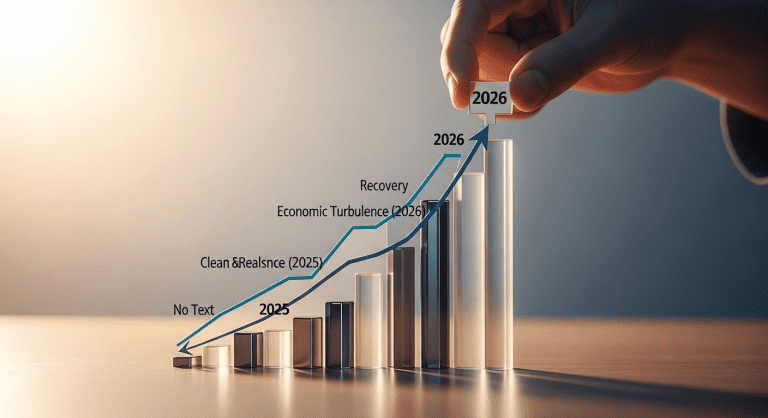

Fixing Finances 2026: Expert Steps to Repair Your Money After 2025’s Turbulence
Fixing finances in 2026 is the top concern for millions of Americans as the new year begins. After 2025’s economic turbulence—punishing tariffs, relentless inflation, government shutdowns, and DOGE reforms—many households feel off track. If your budget took a beating last year, you’re not alone. This guide delivers CBS Business Analyst Jill Schlesinger’s practical strategies plus proven expert tips to help you track spending, cut debt, and regain financial confidence in the months ahead.
Why 2026 Is the Critical Year to Fix Your Finances
After a wild 2025, personal finances are front and center for nearly half of Americans reporting money worries (WalletHub, December 2025). Record-high credit card balances, rising costs triggered by tariffs, and a politically polarized economic climate have stretched family budgets thin. WTOP and CBS’s Jill Schlesinger highlight the urgency for a fresh start in 2026, as millions search for ways to stabilize and grow their money.
- Credit Card Debt: Nearing pre-2008 crisis peaks, up 3% in 2025
- Inflation & Tariffs: Elevated prices on essentials, infrequent relief at grocery stores/gas pumps
- Government Impact: Shutdowns and DOGE efficiency measures tightened access to aid and made planning harder
- Stock Market Volatility: Unpredictable shifts but no major crash, fueled by AI rotations
This landscape makes resetting your financial plan essential as you step into 2026.
Jill Schlesinger’s 2026 Finance Fixes: Step-by-Step
Jill Schlesinger is blunt: “How much money are you spending? This is the most horrendous thing to consider for anyone who hasn’t looked.” But it’s the first and most effective step towards control. Here’s a simple, actionable roadmap:
1. Audit Your Spending
- Download bank/credit card statements for the past three months
- Sort expenses into needs (housing, bills, food), wants (dining, shopping), and savings/debt payments
- Use a free spreadsheet or automated tracker like Mint/YNAB for clarity
- Identify leaks—subscriptions, habitual extras, impulse buys
Facing your real numbers is empowering, not shameful. This audit breaks the emotional barrier and pinpoints where every dollar is going. Empower offers more tips here.
2. Set Small, Achievable Reset Goals
- Reduce debt balances by 10–20% before summer
- Build or rebuild an emergency fund (aim for 1–3 months’ expenses minimum)
- Cut or renegotiate 2–3 recurring bills for immediate savings
- Automate a fixed amount to savings on payday
Jill Schlesinger stresses that small tweaks win big over time. Focus on progress, not instant perfection.
3. Address Credit Card Debt Strategically
- Pay more than the minimum—start on the card with the highest rate (avalanche method) or the smallest balance (snowball)
- Consider a 0% balance transfer if credit allows, but avoid new spending
- Track your payoff with a visual tool or simple checklist for motivation
- Contact lenders if you’re at risk—many now offer hardship or forbearance options post-shutdown
For 2025’s over-spenders, early action means less stress and more freedom by year’s end.
4. Rebalance Your Portfolio for 2026’s Reality
- Review asset allocation – too much in stocks vs. bonds can increase risk, especially for those 50+ (Morningstar’s Christine Benz recommends adding bonds after 2025’s market surges)
- Don’t forget international stocks—ensure a healthy mix
- Trim “winners” and consider buying “laggards” to even out risk and opportunity
- Adjust based on your timeline, goals, and any family/health changes
See Fisher Investments’ 2026 financial refresh guide for more on portfolio strategies.
Fixing Finances 2026: Practical Moves for Every Household
What concrete steps make the most difference? Here’s a checklist to put the above advice into action, especially important for middle-class families juggling debt, kids, and retirement goals:
- Track all expenses for 30 days. This single habit can reveal $100s in savings.
- Make one debt payoff plan and start chipping away (even if it’s $25/month extra).
- Automate savings, even in small increments, to regain financial momentum.
- Rethink subscriptions. Cancel or pause at least 2 this month.
- Bolster retirement contributions by 1–2% if possible; every paycheck counts.
- Shop your insurance rates. Post-inflation, these can drop with a quick call or online search.
| Action | Expected Result |
|---|---|
| Track expenses for 30 days | Uncovers spending leaks ($100-300/month on average) |
| Automate $50 to savings | Builds $600+ cushion in a year |
| Pay $50/month extra on debt | Saves $150-300 in interest annually |
| Rebalance portfolio (add bonds/cut winners) | Reduces risk, locks in 2025’s gains |
Why Fixing Your Finances in 2026 Is More Important Than Ever
The challenges of 2025 made financial discipline both urgent and difficult. Tariffs and shutdowns—plus persistent inflation—hit everyday Americans hardest. Ignoring your spending can feel easier in the short term, but experts agree that a few proactive steps can yield massive progress:
- Reduce stress: Clarity about your money equals peace of mind
- Unlock opportunity: AI-driven job markets and US economic “rotation” in 2026 empower smart savers/investors
- Regain control: No one’s finances are beyond repair—even small wins matter!
As Jill Schlesinger says: “Small audits and tweaks yield control.” Pause, measure, and reset, and you’ll be on your way to financial growth and optimism—no matter last year’s chaos.
FAQ: Fixing Finances 2026
How do I start fixing my finances after a tough 2025?
Begin with a spending audit. Track all income and outflows for at least one month. Identify where money leaks out and set clear, tiny goals to gradually reduce debt and boost savings.
Is now a good time to rebalance my retirement portfolio?
Yes. With 2025’s market swings, rebalancing in 2026 is crucial. Make sure your stocks, bonds, and cash match your risk tolerance and goals. If you’re 50+, consider shifting slightly more to bonds to lock in growth and shield against volatility.
What’s the best way to reduce credit card debt in 2026?
Throw all extra funds at high-interest balances first, avoid new charges, and consider a no-fee balance transfer card if eligible. Small, steady payments beat trying—and failing—to do too much at once.
I overspent in 2025. Is it too late to catch up?
It’s never too late. Most Americans are in the same boat post-2025. Start this week, don’t wait for “more money”—small action steps snowball into major progress over time. The first step is always awareness.
Where can I find more expert advice on financial resets?
Check out the Morningstar/WTOP financial to-dos, Fisher Investments’ refresh guide, or Empower’s 2026 resolutions.
Conclusion: Your 2026 Financial Comeback Starts Now
Fixing finances in 2026 isn’t about overnight solutions. It’s about making clear, steady decisions that build meaningful momentum. The economic storms of 2025 have created anxiety—but also opportunity. Track your spending, set smart goals, attack debt, and rebalance for the future. Remember: You have the power to reclaim—and even grow—your financial well-being this year.
Need more support on your journey? Explore:
- 50/30/20 Budget Made Easy for a foolproof, simple plan
- 2025 Consumer Finance Trends Guide for the latest money moves
- Finance SEO: Skyrocket Rankings for entrepreneurial side-hustle boosts
- 21 Productivity Habits for 2026 Success for life/finance synergy
- Top Productivity Blogs 2025 for ongoing hacks
Want more resources? Find in-depth expert guides at Fisher Investments and Empower. A confident, resilient financial future is truly possible in 2026—start today.




0 Comments