



How to Calm Yourself Down: Effective Techniques and Daily Habits for Stress Relief
In today’s fast-paced world, feeling overwhelmed, anxious, or stressed has become common. Many individuals search for quick and natural ways to calm themselves down and regain emotional balance. If you’re wondering how to calm yourself down effectively, this comprehensive guide offers science-backed techniques, simple daily habits, and practical strategies designed for immediate and long-term stress relief.
Understanding the Physiological Response to Stress
Before diving into calming methods, it’s essential to understand what happens in your body during stressful moments. When you experience anxiety or stress, your sympathetic nervous system triggers a ‘fight or flight’ response, leading to increased heart rate, shallow breathing, muscle tension, and elevated cortisol levels.
Consciously calming these physiological reactions is key to relief. Techniques like controlled breathing and muscle relaxation help counteract these responses, restoring calmness and clarity.
Effective Techniques to Calm Yourself Down Fast
1. Practice the 4-7-8 Breathing Technique
This simple yet potent breathing exercise can instantly reduce anxiety and promote relaxation. Here’s how to do it:
- Inhale silently through your nose for 4 seconds.
- Hold your breath for 7 seconds.
- Exhale slowly and completely through your mouth for 8 seconds.
- Repeat this cycle 4-8 times, focusing on your breath to distract your mind from stress.
This method stabilizes heart rate, lowers blood pressure, and calms the nervous system.
2. Progressive Muscle Relaxation (PMR)
PMR involves tensing and relaxing muscle groups to relieve physical tension. To practice:
- Sitize each muscle group (e.g., fists, shoulders, legs) for 5-10 seconds.
- Release the tension suddenly, noticing the sensation of relaxation.
- Work through the entire body systematically.
This technique reduces muscle stiffness linked to stress and promotes mental calmness.
3. Grounding Exercises
Grounding brings your focus to the present moment, reducing rumination and anxiety. One popular method is the 5-4-3-2-1 exercise:
- Identify 5 things you see.
- Recognize 4 things you can touch.
- Notice 3 things you hear.
- Identify 2 things you smell.
- Value 1 thing you taste.
This sensory awareness anchors you in reality and diminishes overwhelming feelings.
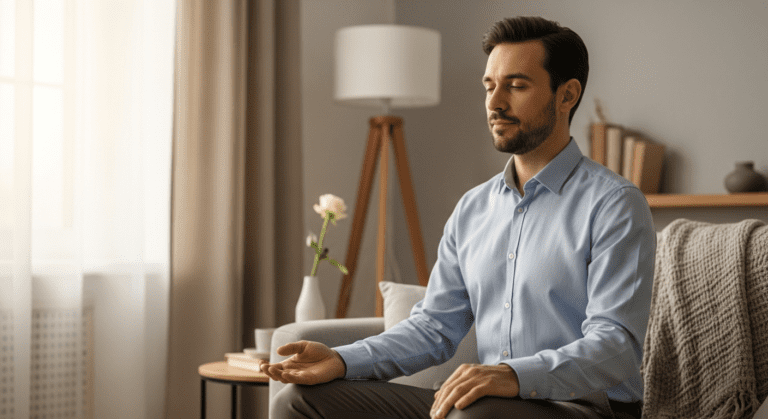
4. Mindfulness Meditation
Regular mindfulness meditation cultivates a calm mind by focusing on your breath and acknowledging thoughts without judgment. To start:
- Find a quiet, comfortable space.
- Close your eyes and breathe naturally.
- Focus on the sensation of your breath entering and leaving your body.
- If your mind wanders, gently redirect your attention back to your breath.
Practice for 5-10 minutes daily to build resilience against stress triggers.
Lifestyle Adjustments for Daily Calm
1. Engage in Regular Physical Activity
Exercise releases endorphins that naturally elevate mood and reduce stress hormones. Incorporate activities like walking, yoga, or swimming into your routine several times a week.
2. Prioritize Adequate Sleep
Quality sleep restores mental health and emotional stability. Aim for 7-9 hours and establish a calming bedtime routine, such as reading or meditation.
3. Maintain a Balanced Diet
Eating nutrient-rich foods stabilizes blood sugar and reduces mood swings. Focus on fruits, vegetables, lean proteins, and whole grains.
4. Limit Caffeine and Alcohol
Both can exacerbate anxiety symptoms and interfere with sleep, heightening stress levels.
Psychological Strategies to Reframe Your Mind
1. Reframe Negative Thoughts
Identify and challenge catastrophic thinking patterns. Instead of thinking, “I can’t handle this,” replace with, “I will take it one step at a time.”
2. Practice Gratitude
Daily gratitude journaling shifts focus from stressors to positive aspects of life, fostering a sense of calm and appreciation.
Additional Tips and Common Mistakes to Avoid
- Don’t suppress emotions—acknowledge and process feelings instead.
- Avoid multitasking during stressful moments; focus on one calming technique at a time.
- Steer clear of caffeine and high-sugar snacks when feeling anxious.
- Be consistent with your daily habits for sustained calmness.
Frequently Asked Questions (FAQs)
Q1: How long does it take to feel calmer using these techniques?
Many people notice immediate relief within minutes, especially with breathing exercises or grounding techniques. Regular practice enhances overall resilience.
Q2: Can these methods help with severe anxiety or panic attacks?
Yes, but in cases of intense anxiety or panic attacks, combining these techniques with professional support is recommended. In emergencies, seek immediate medical assistance.
Q3: Are there any tools or apps you recommend for stress management?
Apps like Headspace, Calm, or Insight Timer offer guided meditations and breathing exercises that complement these techniques.
Q4: How can I make these habits part of my daily routine?
Set reminders, schedule specific times for meditation or exercise, and start small to build consistency gradually.
Q5: Is it necessary to see a therapist to manage stress effectively?
While many techniques can be practiced independently, therapy provides personalized strategies and emotional support for ongoing stress management.
Conclusion: Practical Steps to Achieve Lasting Calm
Learning how to calm yourself down is a vital skill that improves mental health and quality of life. Combining quick relief methods, lifestyle changes, and mental reframing creates a resilient foundation against daily stressors. Start incorporating these practices today and experience a calmer, more centered life.
For additional insights on building emotional resilience, explore tips for emotional regulation or learn about coping strategies after a breakup.
Remember, patience and consistency are key. Over time, these techniques will become second nature, helping you navigate stress with confidence and calmness.




0 Comments