


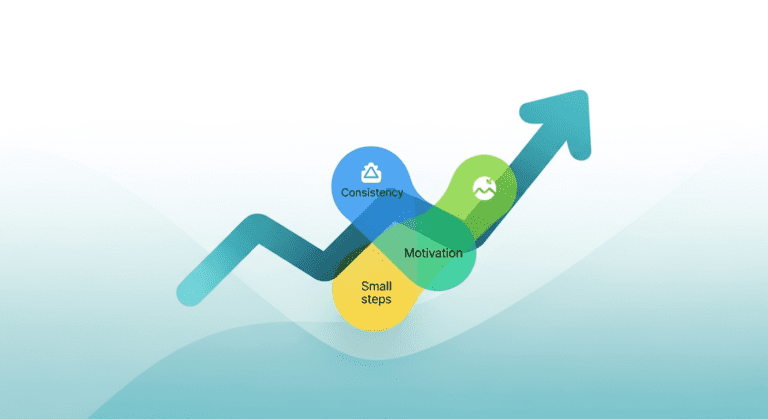

Mastering Effective Habit Formation for Young Adults in the USA
Are you a young adult in the USA striving to build lasting habits that boost your productivity, health, and personal growth? Establishing effective habits can transform your life, but many struggle with consistency and motivation. This comprehensive guide shows you proven strategies to develop habits that stick, backed by scientific insights and real-world tips.
Understanding Habit Formation: The Foundation of Lasting Change
Habit formation is the process of creating automatic behaviors through repetition. According to experts like personal growth specialists, habits are vital for achieving long-term goals with less mental effort.
For young adults in the USA, mastering habit formation means overcoming distractions, maintaining motivation, and integrating new behaviors seamlessly into daily routines.
Why Are Habits So Hard to Build?
- Lack of Clear Goals: Vague objectives make it hard to stay committed.
- Unrealistic Expectations: Expecting too much too soon leads to burnout.
- Inconsistent Routine: Irregular behaviors prevent habits from forming.
- Negative Associations: Past failed attempts can discourage progress.
Proven Strategies to Build Effective Habits
1. Start Small with Clear Actions
Begin with micro-habits that require minimal effort, such as 2-minute meditation or drinking a glass of water each morning. Small wins build confidence and create a positive feedback loop.
2. Use Triggers and Cues
Associate new habits with existing routines. For example, do stretches immediately after brushing your teeth. This creates constant cues that remind your brain to perform the new behavior.
3. Leverage External Accountability
Share your goals with friends or join online communities focused on habit-building. External accountability increases motivation and adherence.
4. Track Your Progress Regularly
Use journals, apps, or charts to monitor habits daily. Visualization of progress sustains commitment and highlights areas for improvement.
5. Incorporate Rewards Wisely
Reward yourself for consistency—like enjoying a favorite activity after completing a week of habit adherence. Positive reinforcement cements the behavior.
Overcoming Common Challenges
- Plateaus: When progress stalls, tweak your routine or extend the habit gradually.
- Loss of Motivation: Revisit your “why” and visualize the benefits regularly.
- Life Disruptions: Adapt your habits to fit new schedules or circumstances.
Tools & Resources for Habit Formation
- Habit trackers like Habitica or Streaks
- Morning routines for productivity
- Gratitude practices to boost motivation
Internal Linking Suggestions
Explore related content for deeper knowledge:
Frequently Asked Questions (FAQs)
1. How long does it take to form a new habit?
Typically, it takes about 21 to 66 days for a behavior to become automatic, depending on the complexity. Consistency is key to speeding up this process.
2. What are the most effective habits for young adults in the USA?
Highly effective habits include regular exercise, maintaining a gratitude journal, setting daily priorities, and practicing mindfulness—each improving mental health and productivity.
3. How can I stay motivated during the habit formation process?
Revisit your core reasons, celebrate small wins, and connect with supportive communities. Using visual cues and rewards also helps sustain motivation.
4. What mistakes should I avoid when trying to build habits?
Avoid setting unrealistic goals, neglecting consistency, and relying solely on willpower. Failing to plan for setbacks can lead to discouragement.
5. Are digital tools helpful for habit tracking?
Yes, apps like Habitica, Loop, or Streaks can simplify tracking and motivate you through gamification and reminders.
Conclusion & Actionable Takeaways
Building effective habits is a gradual process that requires clarity, consistency, and patience. Start small, leverage cues, and use tracking tools to sustain motivation. Remember, habits shape your future—invest in their development today for a more productive, fulfilling life tomorrow.
For more insights on personal growth, check out our comprehensive resources and join a community committed to transformation.




0 Comments