


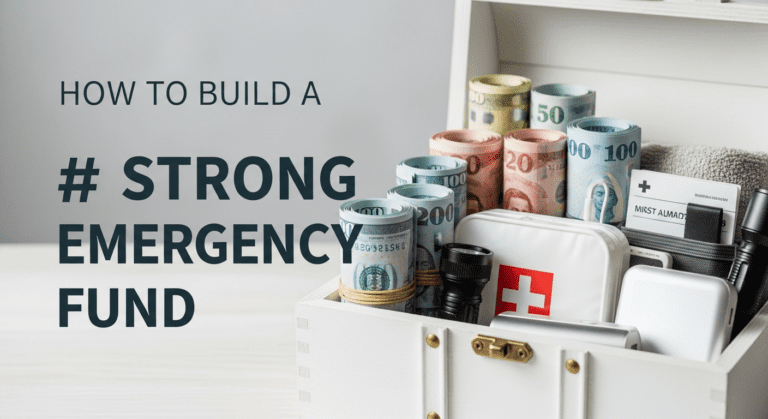

Ultimate Guide to Building a Strong Emergency Fund: Protect Your Financial Future
Are you prepared for life’s unexpected financial surprises? An emergency fund is a crucial safety net that can save you from debt, stress, and financial instability. In this comprehensive guide, we’ll show you how to build, grow, and optimize your emergency fund, tailored specifically for young adults in the USA who want to secure their financial future.
What Is an Emergency Fund and Why Is It Essential?
An emergency fund is a stash of cash set aside to cover unforeseen expenses such as medical emergencies, car repairs, job loss, or other urgent financial needs. Building a robust emergency fund is vital because it provides peace of mind and prevents you from resorting to high-interest loans or credit cards during crises.
According to financial experts from Investopedia, a well-funded emergency fund can cover 3–6 months of living expenses, depending on your job stability and lifestyle.
Step-by-Step Guide to Building Your Emergency Fund
1. Determine Your Target Amount
- Calculate your monthly living expenses: rent/mortgage, utilities, food, transportation, insurance, and debt payments.
- Multiply this total by 3–6 months to set your savings goal. For most young adults in the USA, a 3-month buffer is a good start, expanding to 6 months as income stability improves.
2. Create a Dedicated Savings Account
Open a separate high-yield savings account to keep your emergency fund distinct from regular checking accounts. This minimizes the temptation to dip into the fund and earns you more interest over time.
3. Automate Your Savings
- Set up automatic transfers from your paycheck or main account directly to your emergency fund account.
- Start with a comfortable amount—$50, $100, or more—depending on your budget.
4. Prioritize Saving and Adjust as Needed
Initially, allocate a portion of your income to reach your goal faster. Review your expenses monthly and reduce discretionary spending if necessary. Consider side hustles or freelance work to accelerate savings.
5. Use Windfalls Wisely
- Allocate tax refunds, bonuses, or gifts directly into your emergency fund to boost it quickly.
Common Mistakes to Avoid When Building an Emergency Fund
- Using your emergency fund for non-emergencies (vacations, electronics, etc.).
- Not adjusting your savings as your expenses grow or income increases.
- Keeping your emergency fund in a low-yield account instead of a high-yield savings option.
- Delaying start — every month you wait reduces your financial security.
Additional Tips for Maintaining Your Emergency Fund
- Review your fund quarterly to ensure it meets your needs.
- Replenish the fund quickly if you have to use it.
- Avoid unnecessary withdrawals and keep your fund liquid.
- Update your target amount as your living expenses change.
Tools and Resources to Help You Save
| Tool/Resource | Description | Link |
|---|---|---|
| High-Yield Savings Accounts | Earn more interest while keeping your money accessible. | Bankrate Top Picks |
| Budgeting Apps | Track expenses and save automatically. | Mint |
| Side Hustle Platforms | Generate extra income to boost savings. | Fiverr |
FAQs About Emergency Funds
1. How much should I save in my emergency fund?
Most financial advisors recommend 3–6 months of essential expenses. Start with a smaller goal, like $1,000, and build up over time.
2. Can I invest my emergency fund?
No. Emergency funds should be kept in liquid, low-risk accounts. Investments like stocks or bonds may fluctuate and aren’t suitable for immediate access.
3. How long does it take to build an emergency fund?
This depends on your income and expenses, but with consistent savings, most young adults can reach their goal within 6–12 months.
4. What if I have debt? Should I prioritize paying it off?
Yes, but simultaneously building a small emergency fund can prevent further debt from unexpected expenses. Balance debt repayment with savings contributions.
5. Should I keep my emergency fund in cash or other assets?
Primarily cash in a high-yield savings account. Avoid tying it up in assets that are hard to liquidate or prone to volatility.
Conclusion: Take Action Today
Building an emergency fund is one of the most effective steps you can take toward financial security. Start small, stay consistent, and watch your safety net grow. Remember, life’s uncertainties are unavoidable, but your ability to weather them depends on your preparation.
To learn more about personal finance tips, visit our personal finance category.
Empower yourself with knowledge, and safeguard your future—your peace of mind depends on it!




0 Comments