


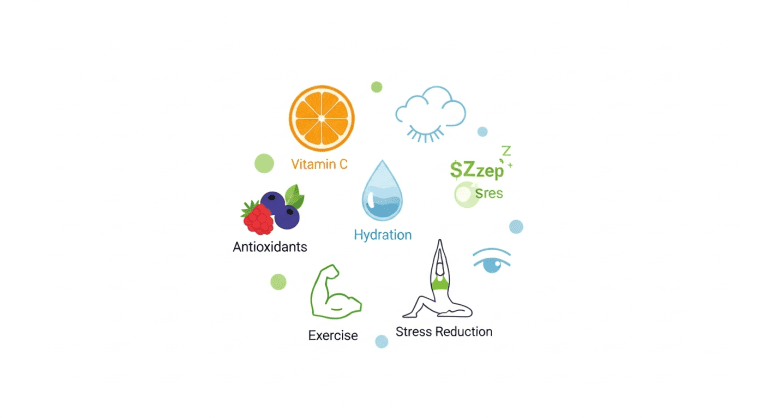

Boosting Immunity for 23–30 Year Olds in the UK: Practical Steps for 2024
Are you a 23–30-year-old in the UK feeling run down or constantly catching colds? In today’s fast-paced world, having a strong immune system is more important than ever. This guide covers proven, practical, and science-backed ways to boost your immunity and keep you healthy year-round.
Why Is Immunity So Important in Your 20s?
Your 20s are a period of major transition—career building, socializing, travel, and sometimes stress. This can make you more vulnerable to illness if your immunity is not at its peak. In the UK, with its unpredictable weather and urban lifestyles, it’s common for young adults to experience dips in immune health.
Top Strategies to Boost Your Immunity
Let’s explore actionable steps to support your immune system so you can stay energized, focused, and illness-free.
1. Nutrition: Eat Smart for Stronger Immunity
- Eat a rainbow: Include a variety of colourful fruits and vegetables, such as berries, carrots, spinach, and peppers. These are high in antioxidants and vitamin C.
- Boost zinc intake: Foods like chickpeas, lentils, nuts, and seeds are great plant-based sources. Oysters and red meat are richer sources for non-vegetarians.
- Don’t skip fermented foods: Greek yogurt, kefir, kimchi, and sauerkraut help improve gut health, which is strongly linked to immunity (NHS probiotics guide).
- Keep hydrated: Drink at least 1.5–2L of water daily to help immune cells function effectively.
2. Prioritise Quality Sleep
Sleep has a direct impact on immune function. Adults aged 23–30 should aim for 7–9 hours of quality sleep per night. Irregular sleep patterns, late nights, or poor sleep can leave you more susceptible to infection.
- Stick to a regular sleep schedule
- Limit screen time an hour before bed
- Consider natural sleep aids if needed (Meditation for Better Sleep)
3. Exercise Regularly
Moderate, consistent physical activity improves circulation, reduces inflammation, and supports immune cell turnover. But avoid overtraining, which can temporarily lower immunity.
- Incorporate brisk walking, cycling, or gym sessions 3–5 times per week
- Try functional fitness routines for overall health
4. Manage Stress Effectively
Chronic stress releases cortisol, which suppresses the immune system. In your 20s, emotional and work stress can take a toll if unmanaged.
- Practice mindfulness, yoga, or deep breathing exercises
- Consider apps like Headspace or Calm for daily stress management (NHS self-help guides)
- Take regular breaks, even on busy days
5. Gut Health: The Immunity Connection
Around 70% of your immune function is governed by your gut. A diverse gut microbiome can improve your body’s natural defenses.
- Eat fibre-rich foods (whole grains, bananas, apples, nuts)
- Enjoy fermented foods as part of your diet
- Consider a daily probiotic (consult your GP first)
6. Limit Alcohol, Smoking & Junk Food
Excess drinking, smoking, and frequent fast foods can weaken your immune system and disrupt gut health. Moderation is key.
- Stick to UK guidelines: No more than 14 units of alcohol per week
- Quit smoking—it’s one of the best steps for both immune and overall health
- Plan healthy snacks to avoid late-night takeaways
7. Vitamin D: Especially Important in the UK
Owing to limited sunshine, vitamin D deficiency is common in young adults in the UK. This vitamin is crucial for immune health, bone strength, and mood regulation.
- Take a daily supplement between October–April, as advised by the NHS
- Eat vitamin D-rich foods (egg yolks, oily fish, mushrooms)
8. Stay Up-to-Date on Vaccinations
Vaccines help protect against flu, COVID-19, and other preventable illnesses.
- Book annual NHS flu shots if recommended
- Stay informed on updates and outbreaks (NHS vaccinations)
Common Mistakes That Harm Immunity
- Skipping meals, especially breakfast
- Overuse of antibiotics without prescription
- Sedentary lifestyle—prolonged sitting or inactivity
- Chronic dehydration
- Neglecting social connection—isolation can impact immunity
Sample 7-Day Immune-Boosting Routine
| Day | Key Focus | Action |
|---|---|---|
| Monday | Nutrition | Start day with a smoothie (spinach, banana, berries, yogurt), snack on nuts/seeds |
| Tuesday | Exercise | 30-min brisk walk + stretching |
| Wednesday | Sleep | Wind down with herbal tea, no screens 1hr before bedtime |
| Thursday | Gut Health | Add sauerkraut or kimchi to lunch, eat a fiber-rich dinner |
| Friday | Social Wellness | Catch up with a friend, laugh & connect |
| Saturday | Stress Relief | 10-min guided meditation or yoga |
| Sunday | Vitamin D | Outdoor time + supplement if cloudy |
Actionable Takeaways for the UK’s Young Adults
- Eat more plants and fermented foods for a stronger gut and immunity
- Get consistent, restorative sleep to help immune cells work properly
- Prioritize moderate exercise—it doesn’t have to be intense
- Manage stress daily to reduce immune-suppressing cortisol
- Take vitamin D supplements in the months with less sunlight
- Cut back on drinking, avoid smoking, and choose healthier snacks
- Book NHS-recommended vaccines as needed
FAQs about Boosting Immunity for 23–30 Year Olds in the UK
How much sleep do I really need to boost my immunity?
Most adults in their 20s need 7–9 hours each night. Poor sleep quality or irregular sleep makes you more susceptible to infections.
What’s the best diet for immune health in the UK?
A balanced diet rich in fruits, vegetables, whole grains, lean proteins, and fermented foods is best. Minimise processed foods, fried foods, and excess sugar to avoid weakening your immune system.
Do supplements help or should I focus on food?
Food should be your first source of nutrients. However, a vitamin D supplement is often recommended in the UK, particularly through autumn and winter. Consult your GP before starting new supplements.
Can I boost immunity quickly before travel or busy periods?
You can strengthen your immune response by getting extra rest, hydrating well, and eating antioxidant-rich foods in the days before travel. However, lasting results require long-term habits.
What are some easy ways to add probiotics to my diet?
You can easily add probiotics via Greek yogurt, kefir, kombucha, sauerkraut, or a quality supplement. These promote gut health, which in turn supports immunity (Healthline probiotic guide).
How does exercise affect my immunity?
Moderate, consistent exercise boosts immune function. Over-training, however, may actually lower your immune defences, so balance is key.
Conclusion: Stronger Immunity, Healthier Life
To sum up, small daily changes can make a big difference to your immunity. By eating a balanced diet, sleeping well, moving often, managing stress, and ensuring proper vitamin D, you’ll be well-equipped to feel your best.
Build healthy habits now to set yourself up for a lifetime of resilience. For more targeted health and wellness advice, check out:




0 Comments