


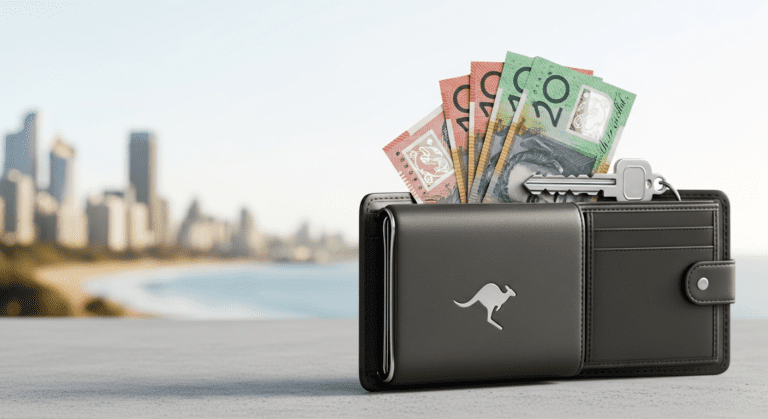

Mastering Financial Independence in Australia: A Step-by-Step Guide for Young Adults
Achieving financial independence is a goal for many young Australians eager to build a secure future. Whether you’re just starting your career or looking to optimize your finances, understanding the path to financial independence can transform your life. This comprehensive guide provides practical strategies tailored specifically for 23-30-year-olds in Australia, helping you navigate your financial journey confidently.
Understanding Financial Independence: What It Really Means
Financial independence (FI) is the state where your passive income covers all your living expenses, allowing you to live without relying on employment income. For young adults, achieving FI might seem distant, but with the right planning, it’s an attainable goal. Key components include building savings, investing wisely, and controlling expenses.
Why Young Australians Should Prioritize Financial Independence
- Early financial security reduces stress and increases life choices.
- He’ll be able to prefer flexibility over job dependence.
- Builds wealth over time through compound growth.
- Prepares for unexpected challenges like economic downturns or health emergencies.
Step 1: Assess Your Current Financial Situation
Calculate Your Net Worth
Start by listing all assets (savings, investments, property) and liabilities (debt, loans). Use tools like Excel or budgeting apps such as personal finance resources to keep track.
Identify Your Expenses
Track monthly spending to understand where your money goes. Focus on minimizing unnecessary expenses to maximize savings.
Step 2: Set Clear Financial Goals
Define what financial independence means for you. Calculate the amount needed to sustain your desired lifestyle. A common rule is the 25x rule—save 25 times your annual expenses.
Break goals into short-term (saving for a car, travel), medium-term (home deposit), and long-term (retirement). Use apps like financial planning tools.
Step 3: Create a Budget and Emergency Fund
Implement the 50/30/20 Rule
Allocate approximately 50% of income to needs, 30% to wants, and 20% to savings and debt repayment.
Build a Robust Emergency Fund
Aim for 3–6 months of living expenses in a liquid account. This provides security against income disruptions, unexpected expenses, or economic shifts.
Learn more about building an emergency fund.
Step 4: Maximize Income and Minimize Debt
- Seek career advancement or side hustles to boost income.
- Pay off high-interest debt swiftly, focusing on credit cards and personal loans.
- Automate payments to avoid late fees and maintain discipline.
Step 5: Invest Wisely for Passive Income
Choose Suitable Investment Vehicles
- Australian Shares & ETFs: Diversify through broad-market ETFs.
- Superannuation: Maximize contributions for retirement growth.
- Real Estate: Consider property investments if it aligns with your financial capacity.
- Roboadvisors & Low-Cost Funds: Use platforms like automated investing tools.
Leverage Compound Growth
Start investing early to benefit from compound interest, significantly enhancing long-term wealth accumulation.
Step 6: Monitor Progress and Adjust Strategies
Review your financial plan biannually. Adjust savings, investments, and goals as your income and circumstances change. Stay informed about market trends and seek advice from financial experts.
Common Mistakes to Avoid
- Neglecting to diversify investments.
- Failing to track expenses consistently.
- Overestimating future income or underestimating expenses.
- Ignoring tax-efficient investment strategies.
FAQs: Your Financial Independence Questions Answered
1. How long does it take to become financially independent in Australia?
The timeframe varies based on income, savings rate, and lifestyle choices. Generally, with disciplined saving and investing, it’s possible within 10–20 years.
2. Can young Australians achieve FI without high income?
Yes. Prioritizing savings, minimizing debts, and investing early can significantly reduce the time needed to reach FI.
3. What are the best investment options for early financial independence?
Broad-market ETFs, superannuation, and real estate are popular choices. Diversification and low fees are crucial for success.
4. How does superannuation impact my path to FI?
Superannuation is a tax-advantaged retirement account. Maximize contributions early to grow wealth passively.
5. How important is financial literacy in achieving FI?
Vital. Educating yourself about investments, tax strategies, and budgeting accelerates your progress.
Conclusion: Take Action Today for a Secure Future
Building financial independence in Australia is an achievable goal for motivated young adults. Start by assessing your finances, setting clear goals, and investing wisely. Remember, consistency and discipline are key to transforming your financial future. For more tips on personal finance strategies, visit Nefeblog.
Actionable Takeaways
- Calculate your net worth and track expenses regularly.
- Set specific, measurable financial goals aligned with your lifestyle.
- Build an emergency fund covering 3–6 months of expenses.
- Invest early in ETFs, superannuation, and consider property.
- Review and adjust your plan annually for continual progress.




0 Comments