


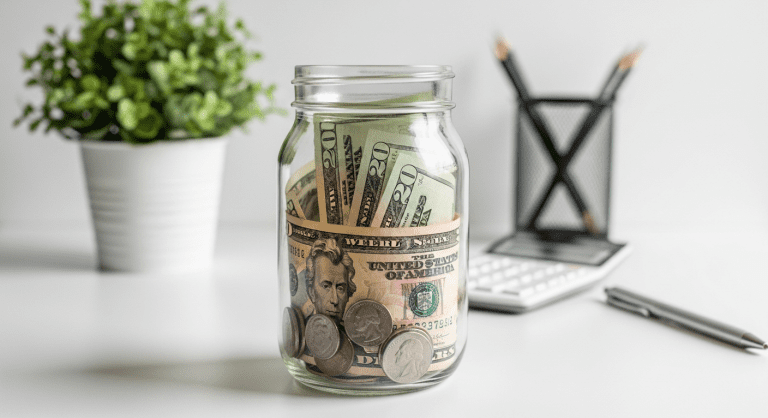

How to Build an Emergency Fund: Step-by-Step Guide for 23–30-Year-Olds in the USA
Worried about unexpected expenses derailing your financial life? You’re not alone. An emergency fund is the first line of defense for every young adult starting their financial journey in the USA. If you’re 23–30 years old and not sure where to start, this step-by-step guide covers everything you need—so you can stress less and build true financial security, no matter your current income.
What Is an Emergency Fund and Why Do Young Adults Need One?
An emergency fund is a stash of cash set aside to cover unexpected expenses like car repairs, medical bills, or sudden unemployment. For 23–30-year-olds in the USA, having an emergency fund means you can avoid debt and protect your financial goals, even when life throws curveballs.
- Reduces financial stress: You’re ready for surprises.
- Prevents high-interest debt: No need to rely on credit cards.
- Boosts confidence: Take smart risks (like switching jobs) without fear.
How Much Should Your Emergency Fund Be?
Most experts (like Consumer Finance Protection Bureau) recommend saving 3–6 months’ worth of living expenses. If you’re just starting out, even a $500–$1,000 buffer can make a difference.
How to Calculate Your Emergency Fund Target
- List your essential monthly expenses (rent, groceries, transportation, utilities, insurance).
- Multiply that total by 3–6 (months).
- Set a starter goal ($500–$1,000), then work your way up.
| Monthly Expenses | 3-Month Fund | 6-Month Fund |
|---|---|---|
| $2,000 | $6,000 | $12,000 |
| $1,500 | $4,500 | $9,000 |
Don’t let big numbers discourage you—start small and build over time. Consistency is more important than speed.
Step-by-Step: How to Build Your Emergency Fund
1. Open a Separate, High-Yield Savings Account
Keep your emergency money out of reach (but accessible in a pinch). Choose an FDIC-insured, high-yield online savings account for better interest rates and security. Check out reputable banks such as NerdWallet’s list for options.
- Easy access, but not attached to checking for impulse spending
- No fees, no minimums
- Interest rate at least 4%+ if possible
2. Set a Realistic Monthly Savings Goal
Calculate how much you can realistically put aside—even $20-$50 a week adds up. Start with what you can, then increase over time.
- Audit your current spending (apps like Mint or YNAB can help)
- Set a recurring automatic transfer every payday
- Increase your goal as income grows or big bills are paid off
3. Treat Savings Like a Non-Negotiable Bill
Don’t save “what’s left”—pay yourself first. Automate transfers right after payday so you never see the cash. Out of sight, out of mind!
- Label your account “Emergency Fund” in your banking app
- Mentally separate it from vacation or fun spending
4. Jumpstart Your Fund with Cash Injections
Got a tax refund, birthday cash, or side hustle windfall? Move a portion (or all) to your emergency fund. Windfalls can accelerate your progress quickly.
- Sell unused items on platforms like Facebook Marketplace
- Take on gig work or freelance jobs when possible
- Apply cash gifts or bonuses toward your goal
5. Cut Unnecessary Expenses (Without Depriving Yourself)
Trimming just a few recurring expenses can free up big savings. Analyze your subscriptions, entertainment, and takeout habits. Apps like Truebill can help spot waste.
- Cancel unused streaming services
- Plan meals and cook more at home
- Take advantage of student or young adult discounts
Where Should You Keep Your Emergency Fund?
Your emergency fund should be safe, liquid, and easily accessible but not tempting. The best options for young adults in the USA are:
- High-yield savings accounts (recommended)
- Money market accounts (if you want check-writing access)
- Avoid investments like stocks, crypto, or CDs—these may lose value or lock your money
For maximum safety, prioritize accounts that are FDIC-insured.
Tips for Sticking With It (and Avoiding Common Mistakes)
- Don’t use the fund for non-emergencies (like vacations or big sales)
- Review your progress monthly
- Replenish the fund if you ever need to dip in
- Celebrate each milestone—$500, $1,000, $5,000, and beyond!
Recommended Resources for Young Adults
- Consumer Finance Protection Bureau – Official guides on saving and budgeting
- NerdWallet – High-yield savings comparisons
- Budgeting for Young Adults: 7 Steps to Take Control – Deep-dive budgeting tips
- Step-by-Step Emergency Fund Guide
FAQs: Emergency Funds for 23–30-Year-Olds in the USA
How much should a young adult keep in an emergency fund?
Most experts recommend 3–6 months of essential expenses. If cash is tight, even $1,000 as a starter emergency fund gives strong protection against surprise costs.
What counts as a real emergency?
True emergencies are situations like job loss, urgent medical bills, unexpected car or home repairs—not sales, vacations, or regular bills.
Where should I keep my emergency fund?
Use a high-yield online savings account that is federally insured and accessible, but a step removed from daily spending accounts.
How fast should I build my emergency fund?
There’s no set deadline. Automate small, regular transfers and celebrate progress—consistency beats trying to do it all at once.
What if I can’t save much each month?
Every bit helps! Even $20 a week adds up to $1,040 a year. Look for windfalls, cut small expenses, and don’t compare your progress to others.
Conclusion: Get Started and Secure Your Financial Future
Building an emergency fund may sound intimidating, but with the right plan, it’s totally doable for young adults in the USA. Open a separate savings account, automate your savings, and stay motivated by tracking your milestones.
The peace of mind—and financial resilience—are worth every penny. For more young adult money advice, check out Consumer Finance Trends Guide for Young Adults and Simple Budgeting for Young Adults.




0 Comments