


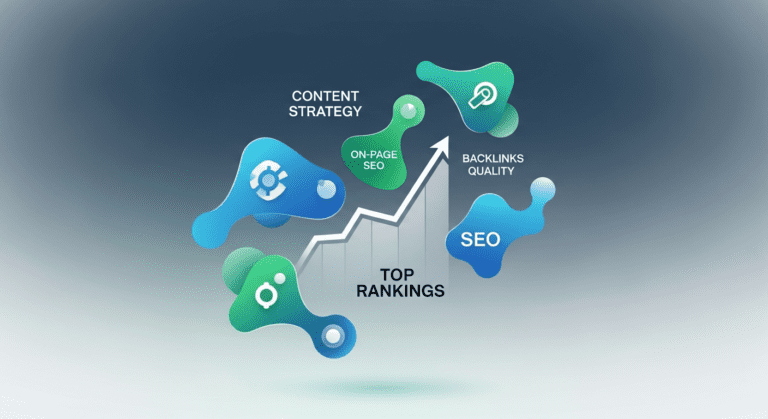

The Ultimate Guide to Creating a High-Performance Content Strategy for Google Rankings
Achieving top Google rankings is essential for attracting organic traffic, establishing authority, and growing your online presence. With the constantly evolving SEO landscape, mastering a targeted, comprehensive content strategy is more crucial than ever. This guide covers the exact steps to develop a content plan that not only ranks well but also provides immense value to your audience.
Understanding Search Intent for Effective Content Planning
The first step in crafting a winning content strategy is understanding the search intent behind your target keywords. Google categorizes intent into four main types:
- Informational: Users seek knowledge or answers (e.g., “How to improve your website ranking”).
- Commercial: Users research products or services with purchase intent (e.g., “Best SEO tools 2024”).
- Transactional: Users ready to buy or take action (e.g., “Sign up for SEO webinar”).
- Navigational: Users seek specific sites or brands (e.g., “Moz official site”).
Focus on creating content that precisely matches the majority of your target keywords’ intent — for example, offering detailed how-to guides for informational keywords or clear comparison tables for commercial queries. Properly aligning content with search intent increases your page’s relevance, encouraging higher rankings and user satisfaction.
Strategic Keyword Selection for Top Google Rankings
To build a content plan with maximum organic potential, identify:
Primary Keyword
A high-volume, achievable keyword directly aligned with your core topic. For example, “content marketing strategy”.
Secondary Keywords
- Related terms or variations—e.g., “content marketing plan”, “content strategy tips”.
- Keywords targeting different user queries that complement your primary keyword.
LSI & Semantic Keywords
- Keywords that support your main topic, such as “SEO content creation” or “digital marketing content”.
- Synonyms and related phrases that help Google understand context.
For example, if your primary keyword is “SEO content strategy,” your secondary keywords might include “how to rank on Google,” “content optimization techniques,” and “keyword research tools.” Use these naturally within your content to enhance relevance without keyword stuffing.
Performing Competitive Gap Analysis to Outperform Top Results
Many top-ranking pages are outdated or lack depth. Your goal is to cover missing subtopics, answer questions they ignored, and add clarity through examples and comparisons.
- Identify what competitors are missing—such as latest SEO trends, practical steps, or tools.
- Integrate comprehensive sections, such as step-by-step guides or detailed tables.
- Use data, case studies, and visuals to improve understanding and trust.
This approach ensures your content surpasses existing pages in thoroughness and authority, leading to better rankings.
Constructing a High-Performing SEO Structure
Headings & Hierarchy
Use H1 for the title, followed by H2s for major sections targeting keyword clusters, and H3s for subtopics. This structure helps Google understand content importance and improves user experience.
Paragraphs & Formatting
Keep paragraphs concise (2–4 lines). Incorporate bullet points, tables, and FAQs to make content easy to scan, especially on mobile devices.
Optimizing Content for Google & Featured Snippets
- Primary keywords appear in the title, first 100 words, at least one H2, and meta descriptions.
- Spread secondary & semantic keywords naturally in headings and text.
- Answer common People Also Ask questions to increase your chances of appearing in featured snippets.
- Implement internal links to related content and authoritative outbound references for credibility.
Creating Evergreen, High-Retention Content
Focus on topics that remain relevant over time. Use clear, simple language, and provide actionable steps, tools, tips, and comparisons that solve real-world problems.
Boosting Google Rankings with E-E-A-T Principles
Build Expertise, Experience, Authority, and Trust by citing reputable sources, sharing case studies, and presenting data-driven insights. Write with authority but in a helpful, human tone that resonates.
Example Content Strategy Implementation
- Identify your target keyword based on your niche and audience demand.
- Optimize your content around the full keyword cluster.
- Create detailed, step-by-step guides with actionable instructions.
- Answer related questions in FAQs for PAA sections.
- Continuously update with latest trends and tools to maintain evergreen relevance.
FAQs (Optimized for People Also Ask)
1. How do I create SEO content that ranks?
Focus on user intent, conduct keyword research, cover missing subtopics, optimize structure, and answer common questions clearly.
2. What are the best tools for SEO content planning?
Tools like SEMrush, Ahrefs, Google Keyword Planner, and Surfer SEO help identify keywords, analyze competitors, and optimize content for ranking.
3. How often should I update my content for SEO?
Periodically review and refresh your content every 6–12 months to include new data, trends, and tools, ensuring relevance and authority.
4. How can I use FAQs to improve my rankings?
Integrate common questions with detailed answers, structured as Q&A blocks, to increase chances of appearing in featured snippets and PAA sections.
Conclusion & Actionable Takeaways
Developing a targeted, comprehensive content strategy aligned with search intent, thorough keyword research, competitive analysis, and Google best practices is paramount. Prioritize clarity, depth, and utility to surpass competitors and secure top rankings.
Start by defining your primary keywords, mapping out content structure with clear hierarchy, and continuously optimizing based on performance data. Remember, quality, relevance, and authority are your best allies in climbing Google’s SERPs.
For further insights into advanced SEO techniques, explore more at NEFE Blog’s SEO category.




0 Comments